







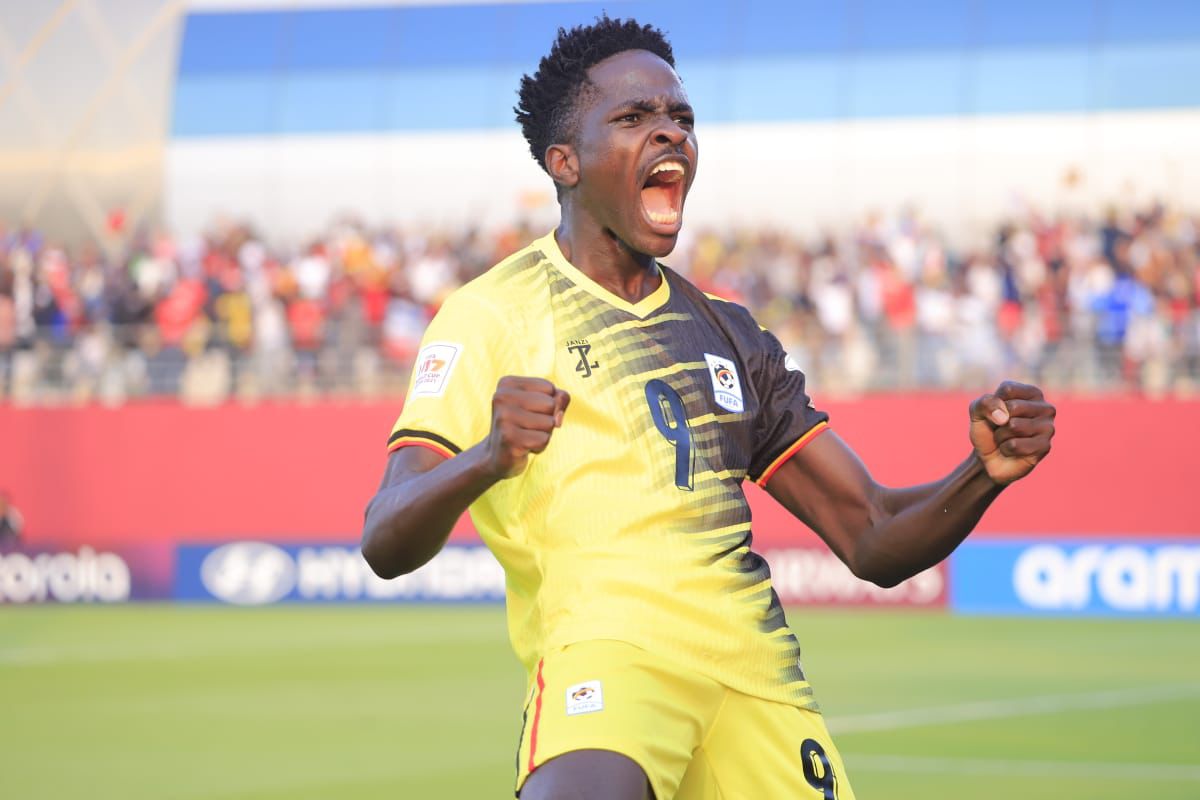
The youngest man in Uganda’s Africa Cup of Nations squad did not arrive quietly.
When Paul Joseph Put confirmed his final 28-man list for AFCON 2025, the name James Bogere stood out, not for what it promised in the future, but for what it says about the present.
At 17, Bogere is still meant to be learning the game. Instead, he is walking into Africa’s biggest football tournament with the Uganda Cranes.
This is not sentiment. It is a consequence.
A Player Who Kept Accelerating
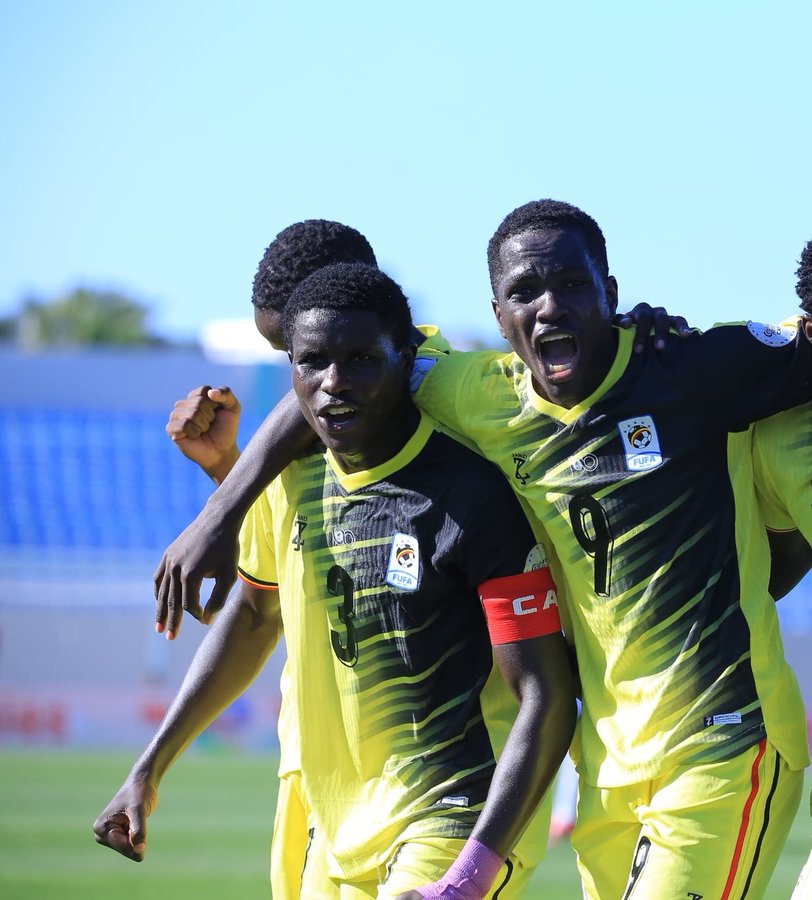
Bogere rise has been unusually linear. No spikes, no sudden miracles, just constant acceleration.
Those inside El Cambio Academy speak of a forward who learned early to trust his instincts. Pace was always there. Confidence followed. End product came next.
By 2024, Uganda could no longer ignore him.
At the U-17 CECAFA Championship, played in Kampala, Bogere didn’t announce himself, he imposed himself.
Seven goals. Different types. Different moments. Uganda qualified for the U-17 AFCON because he refused to be ordinary.
That habit followed him north.
At the U-17 AFCON, Bogere became a reference point in Uganda’s attack. Three goals, two assists in four games, numbers that tell only half the story.
He played on the front foot, demanding the ball, testing defenders who expected caution.
Then came Qatar.
A World Stage, No Stage Fright
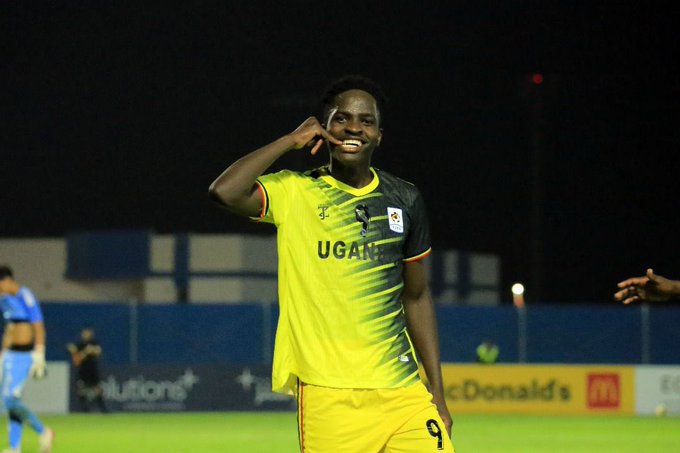
The U-17 World Cup is where many talents disappear into the noise. Bogere went the other way.
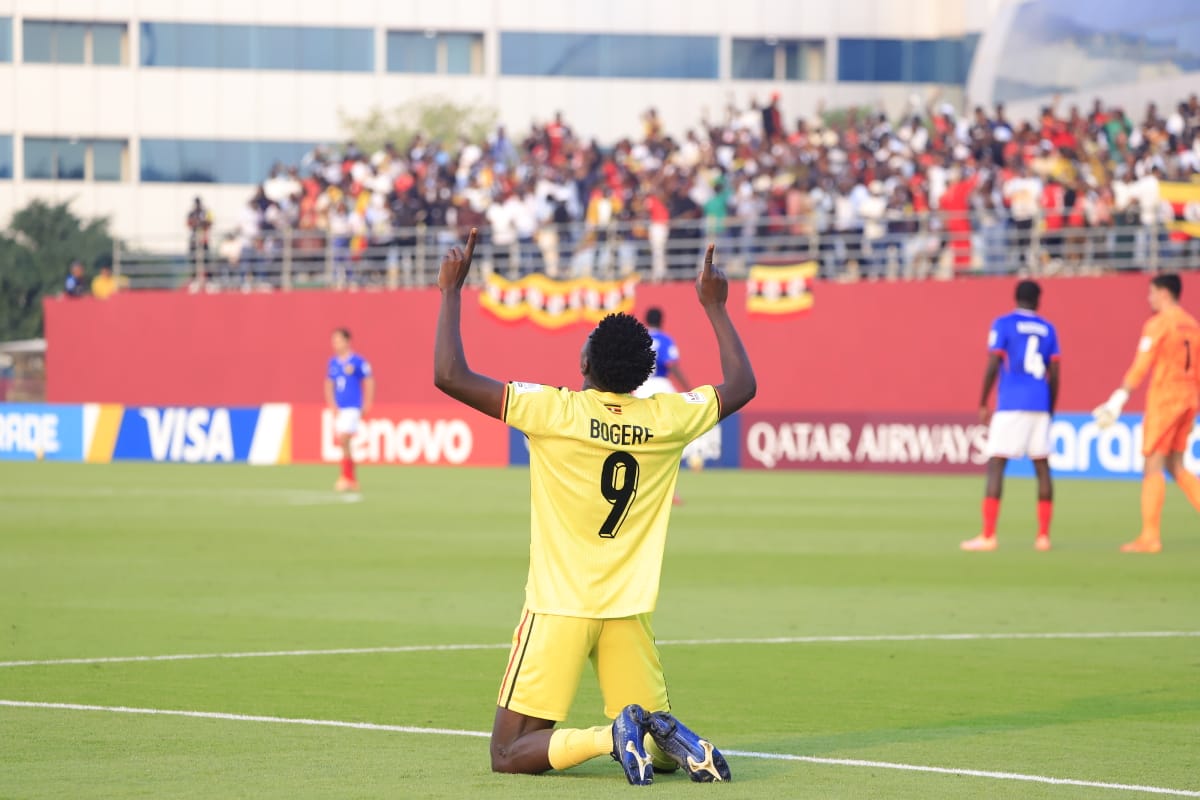
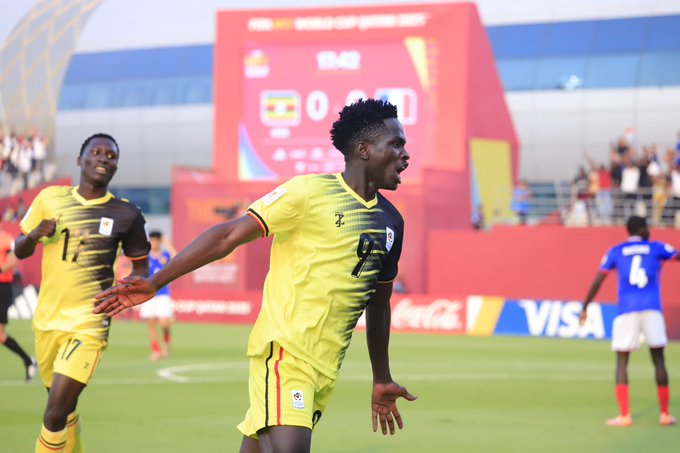
Against Canada, he scored Uganda’s first-ever World Cup goal. Against France, he delivered a moment that altered perception, one clean finish, one historic win, one nation watching itself belong.
Uganda reached the Round of 16 on debut. The youngest team in the tournament didn’t look like guests.
When the Cubs were eliminated on penalties by Burkina Faso, Bogere watched from the stands, suspended. His absence was felt. Sometimes that is the loudest endorsement.
The Transition No One Expected to Be This Quick
After the World Cup, Europe came calling. Aarhus secured Bogere’s signature, confirming what the data already suggested: this was not a local story.
Still, AFCON felt distant.
His inclusion in the Cranes’ provisional squad appeared educational, exposure to tempo, dressing-room hierarchy, international rhythm.
Then training happened. Then the AS FAR Rabat friendly happened.
Bogere didn’t look like a boy borrowing minutes. He pressed defenders, ran channels, and asked questions of experienced players. He belonged.
Paul Put noticed.
This wasn’t the coach’s first look either. Bogere had already been part of CHAN preparations earlier in the year. Familiarity reduced risk. Performance removed doubt.
Why He Matters in Morocco
Bogere is not expected to carry Uganda’s attack. That responsibility sits elsewhere.
But tournaments are not won solely by starters. They are shaped by moments, substitutions, broken structure, sudden space.
Bogere offers verticality. He stretches defensive lines. He runs when others hesitate. He plays with urgency, not permission.
For a team facing Tunisia, Nigeria, and Tanzania, those qualities matter.
The Meaning of His Selection
Two players, Charles Lukwago and David Owori, fall away. Bogere remains.
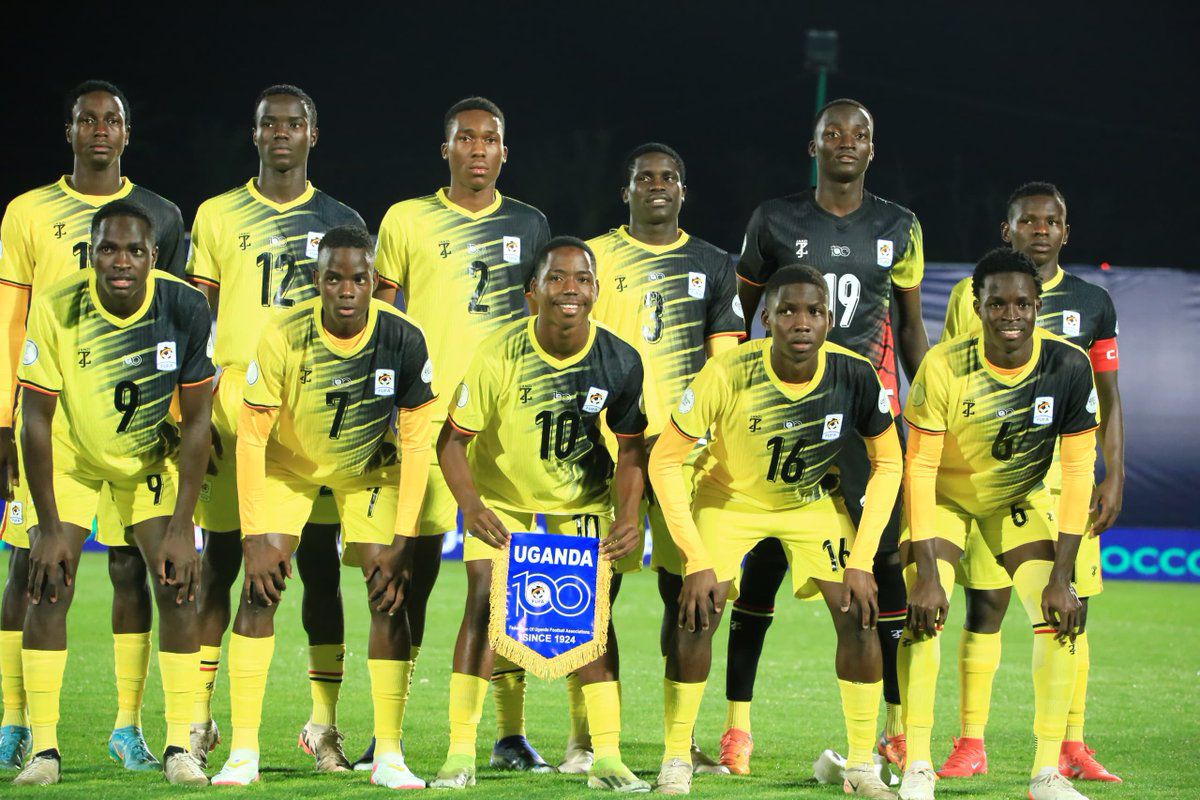
It is a quiet but powerful message: this squad is built on what players give, not how long they have waited.
Uganda kick off their AFCON campaign against Tunisia on Tuesday. Whether Bogere plays early or late is secondary.
What matters is this:
Ugandan football has stopped asking how young is too young?
And James Bogere is already answering how good is good enough?
Writer’s impression of Bogere:
“He possesses a character of unbelievable confidence. With all due respect to the other strikers, his willingness to take on defenders and the precision of his finishing are unique.”