







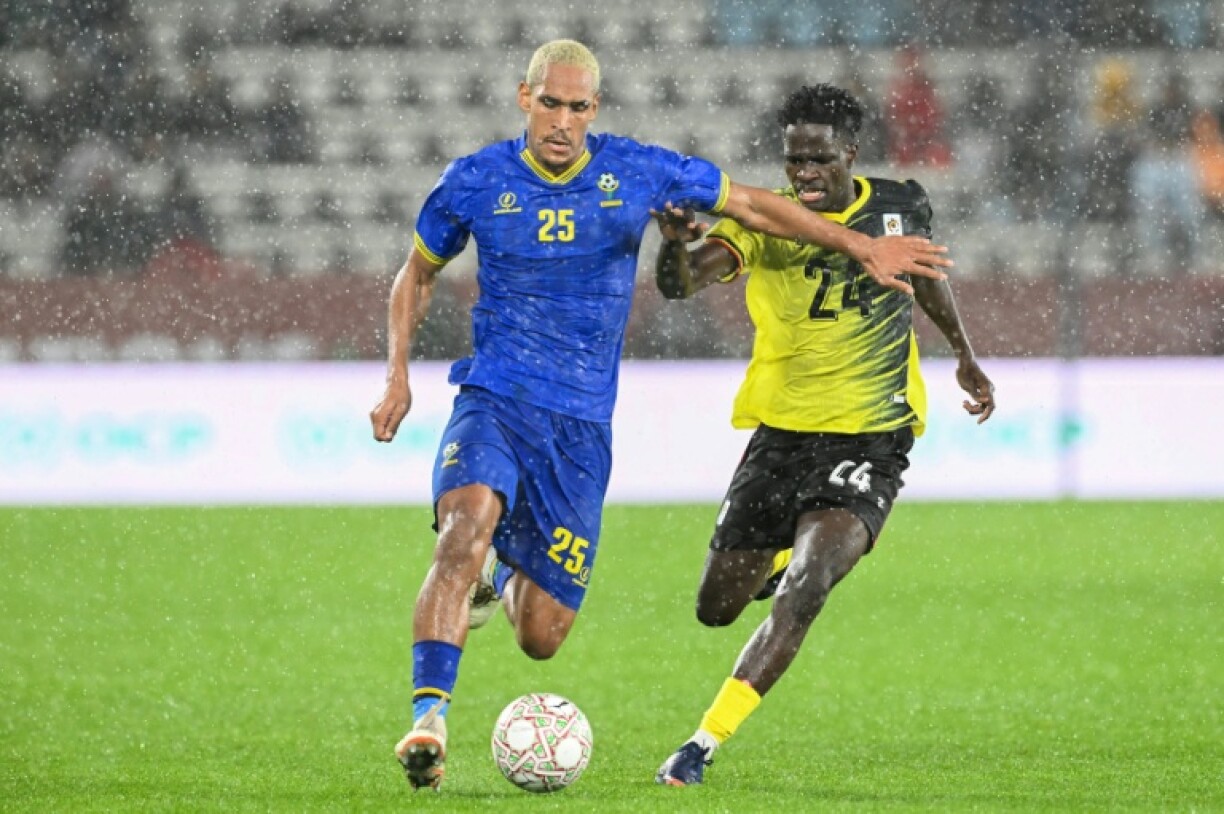
As Uganda and Tanzania prepare to co-host the 2027 Africa Cup of Nations (AFCON) alongside Kenya, their current campaigns in Morocco are serving as a sobering reminder of the bridge they must gap to compete with the continent’s elite.
Following a hard-fought 1-1 draw in their head-to-head clash in Rabat on Saturday, both the Cranes and the Taifa Stars find themselves on the brink of elimination.
With decisive group games Looming on Tuesday—Uganda against Nigeria and Tanzania against Tunisia—both nations likely require victories to secure a spot in the last 16.
The historical data highlights the uphill battle for East African football.
Uganda has managed only one win in nine matches across three separate tournaments since their legendary run to the final in 1978.
Tanzania’s record is even leaner; currently in their fourth appearance, they are still searching for their first-ever AFCON match win.
Despite Tanzania’s massive population of 70 million—the fourth-largest on the continent—the team sits 112th in the FIFA rankings.
Tanzania’s Argentinian coach, Miguel Angel Gamondi, who was appointed just weeks before the tournament, is focused on a long-term cultural shift.
“My goal is to change the mentality, show we can compete, and put a winning mindset in these players,” Gamondi told AFP.
He pointed to structural issues back home, including a league rule allowing 12 foreign players per club, which he believes stifles local talent development.
“Infrastructure is also a big problem… but for me, the biggest problem is the lack of youth development.”
For Uganda, currently ranked 85th in the world, the focus is squarely on the horizon. Belgian coach Paul Put is using the current tournament as a laboratory for the 2027 home-soil edition.
“We have a very young team and my responsibility is to build a team for 2027, so I’m giving them the chance to get more experience,” Put explained. “For 2027, we have to be in good shape with good players.”
While the pitch results remain mixed, both nations are gaining invaluable “big stage” experience that their co-host Kenya—who failed to qualify for the last three tournaments—is currently missing.
As the 2027 tournament approaches, the pressure is on to ensure that the East African “Pamoja” bid is backed by teams capable of more than just participating.