






The 2026 FIFA World Cup is facing a mounting geopolitical crisis as President Donald Trump’s push to annex Greenland sparks calls for a tournament boycott.
Trump’s demand for “immediate negotiations” to acquire the Danish territory—and threats of tariffs against European nations that oppose him—has placed the U.S.-hosted tournament at the center of a diplomatic storm.
Sports Minister Marina Ferrari stated there is currently “no desire” for a boycott, insisting sport remain separate from politics despite pressure from left-wing politicians to withdraw.
26 British MPs signed a motion calling for the U.S. to be expelled from international competitions, arguing the event shouldn’t “legitimize violations of international law.”
As Denmark prepares for qualifying play-offs, the Danish FA says it is monitoring the “sensitive situation” closely.
While ticket holders are receiving priority visas, the European Democratic Party warned it may urge teams to pull out if safety and entry guarantees for all fans are not met.
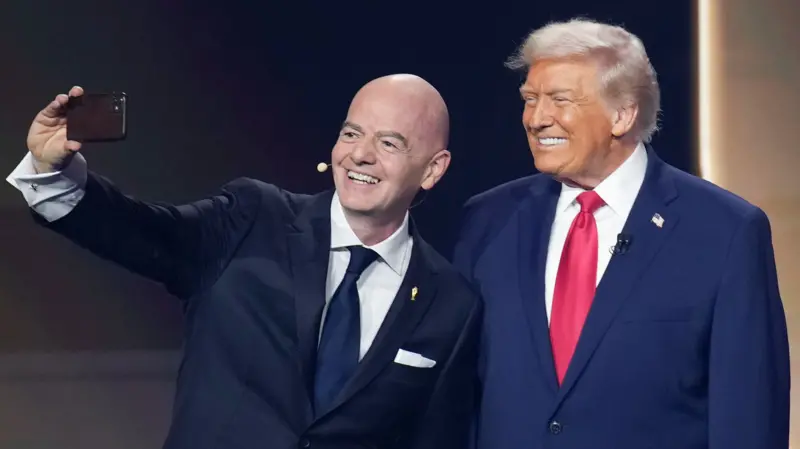
The tension follows FIFA President Gianni Infantino’s controversial decision to award Trump a “Peace Prize” last month, a move heavily criticized by human rights groups.
As the IOC hopes next month’s Winter Olympics in Italy will offer a “unifying effect,” the 2026 World Cup remains entangled in the most significant political standoff in its modern history.