






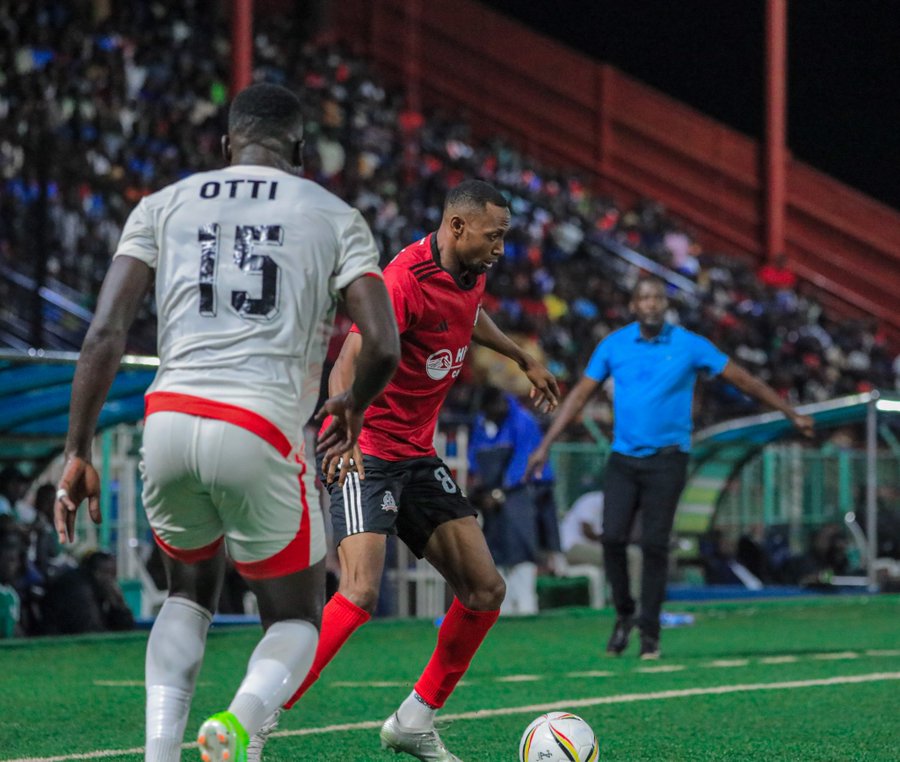
With the first round of the Uganda Premier League wrapped up, Vipers SC top the table with 36 points from 14 matches, six clear of Entebbe UPPC FC. Yet while most clubs have played 15 games, Vipers SC and Kitara FC remain frozen at 14 matches, a fixture indefinitely suspended, trapped in bureaucratic limbo.
The cause of the delay is no mystery. The fixture was postponed over a controversy linked to a now-abandoned league format, a system Vipers challenged, forcing FUFA to revise it. Yet, more than two months later, the match has not been rescheduled.
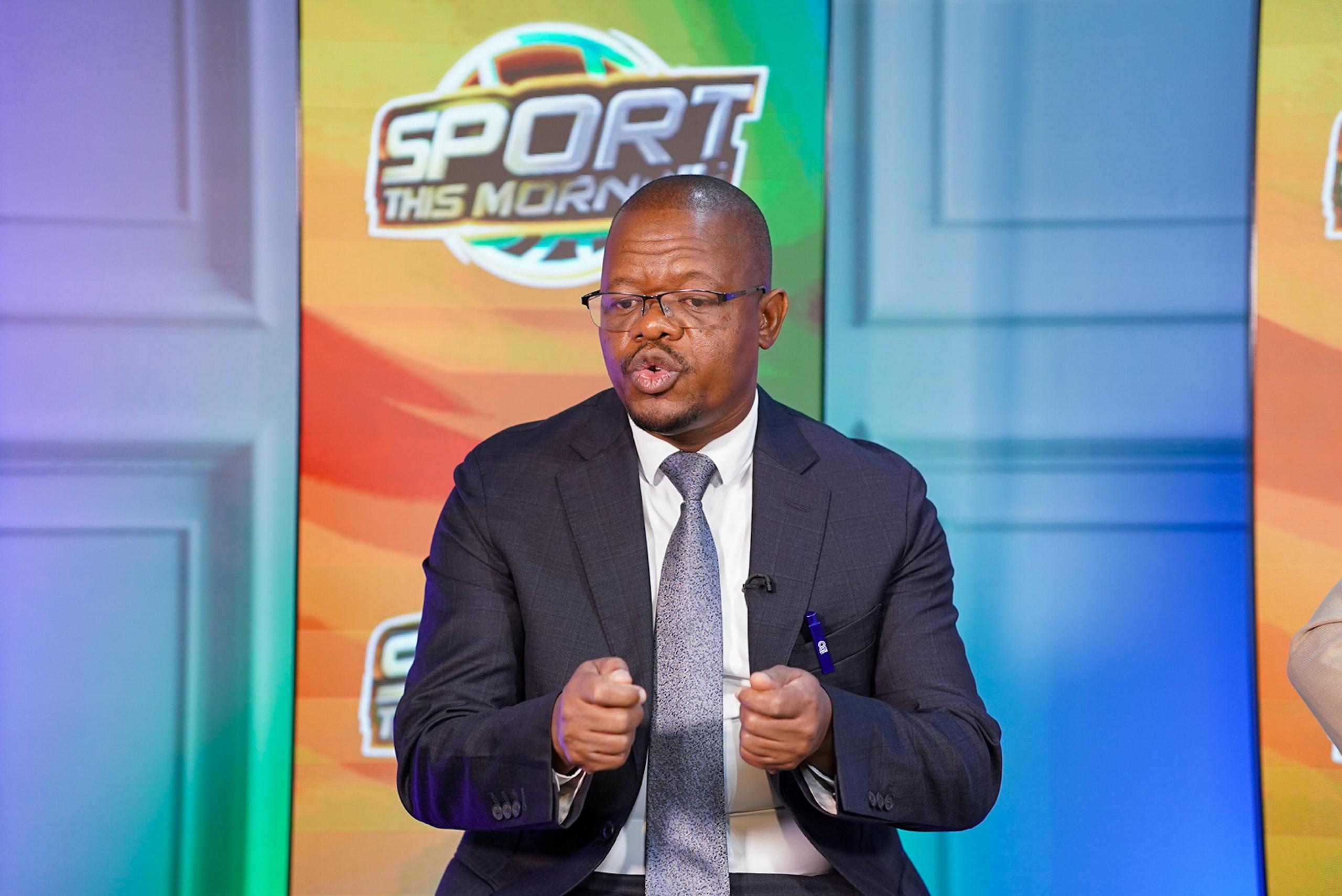
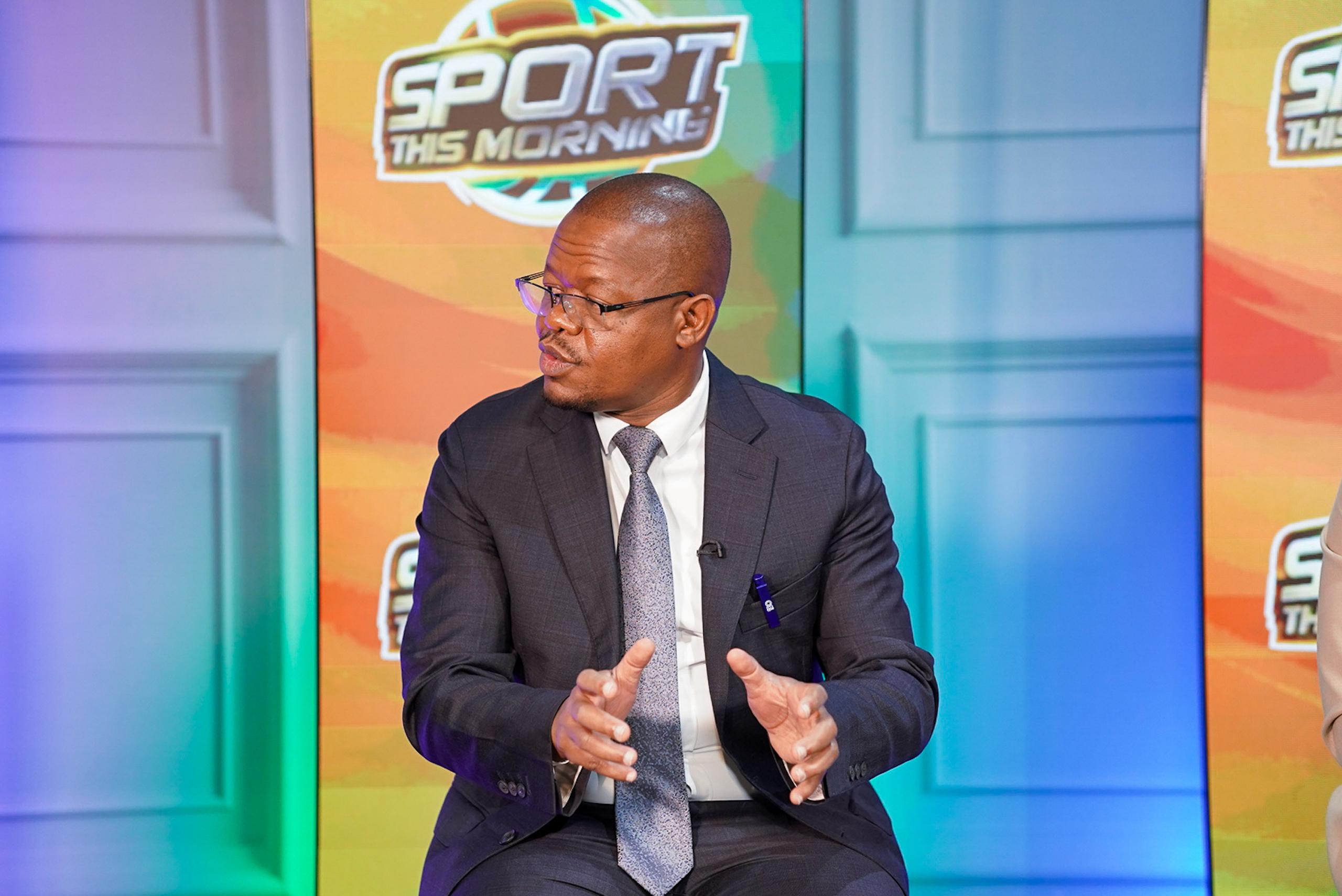
The federation’s silence is glaring, but the most ironic element comes from FUFA president Moses Magogo himself. Speaking on the issue on NBS Sport, he said:
“A decision will be made by the judicial bodies. I’ve told them that we’re not looking good, but they said they’d get back. I won’t speak for them.”
The statement is a paradox. Magogo presides over the very body tasked with delivering the ruling, yet he publicly disowns responsibility for the delay. The judicial apparatus, under his leadership, is now the reason the league leaders find themselves in competitive limbo.
The irony is palpable: the president blames the body he oversees for inaction on a decision that defines the fairness of his own competition.
This is not an issue of scheduling. The Uganda Premier League has routinely accommodated midweek fixtures and compressed calendars when needed. The problem here is institutional indecision, magnified by the very silence Magogo describes. By failing to secure a timely ruling, FUFA risks eroding the integrity of the competition itself.

The consequence is more than theoretical. As the second round approaches, teams will have played uneven numbers of matches. Some will begin the new phase ahead of the league leaders, a structural imbalance that could distort outcomes. The table, already provisional, carries a footnote of embarrassment.
Magogo’s words unwittingly highlight the deeper problem: FUFA has corrected the flawed league format, yet the club that challenged it now suffers in the shadows of delay. The federation has reversed a rule but preserved the punishment, conceded error while administering consequence, and left the integrity of the competition dangling.
Football’s authority rests on the pitch, not in corridors of indecision. If Kitara deserves points, let them earn them; if Vipers erred, let them lose there. To withhold a fixture while the league advances is to undermine the very competition FUFA exists to protect.
Until the judicial bodies deliver a ruling,or at the very least provide a transparent timeline, FUFA’s stewardship remains not merely questionable, but theatrically ironic: led by a president who blames his own institution for failing to act on a matter central to his league’s credibility.