






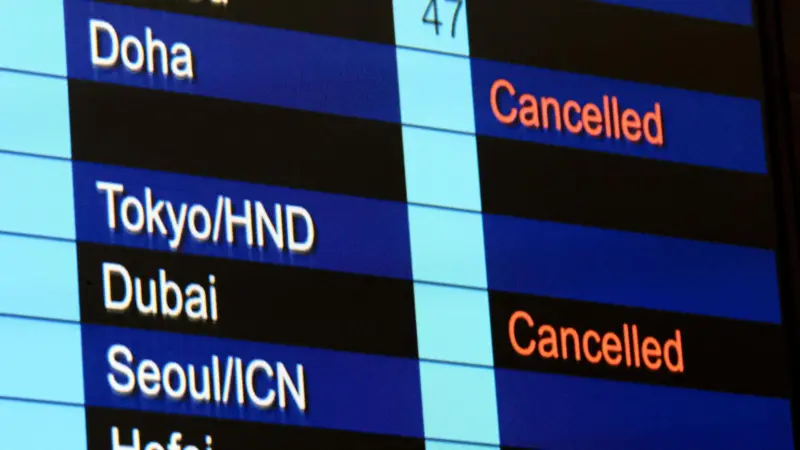
A dramatic escalation of conflict in the Middle East has triggered a global sporting crisis, with major air hubs in Dubai and Doha forced to suspend operations.
Following retaliatory strikes by Iran against U.S. and Israeli interests, much of the region’s airspace has been rendered a “no-fly zone.”
This disruption is being compared to the height of the COVID-19 pandemic, as thousands of flights are cancelled, leaving world-class athletes and hundreds of support staff stranded in the Gulf.
The logistical fallout has hit the world of cricket and tennis particularly hard.
The England Lions development squad, including coaches Andrew Flintoff and Ben Stokes, is currently grounded in the UAE following the cancellation of their matches against the Pakistan Shaheens.
Nearby, tennis star Daniil Medvedev and approximately 30 ATP personnel are stuck in Dubai, facing uncertain travel to the United States for the Indian Wells tournament.
Some teams are exploring 10-hour overland journeys to Saudi Arabia as a desperate alternative to the shuttered airports.
Even events outside the immediate conflict zone are feeling the ripples. The 2026 Winter Paralympics in Milan-Cortina, set to open this Friday, have faced delays as key delegations and families struggle to reach Italy.
Meanwhile, Formula 1 is attempting a massive logistical “reshuffle,” chartering private planes to move 500 staff members to Australia for the season opener.
Despite the chaos, organizers are pushing to maintain schedules, even as the Qatar Football Association suspends all matches indefinitely and doubt grows over Iran’s participation in the upcoming summer World Cup.
The crisis has also forced teams to prioritize safety over competition. England’s women’s cricket training camp has been delayed, and Scottish Premiership leaders Hearts have cancelled their planned warm-weather training in Dubai.
As over 100,000 British nationals register for government assistance in the region, sporting bodies like the ICC and FIFA are monitoring the situation hourly, balancing the desire to keep the global calendar moving against an increasingly volatile security landscape.