








At the imposing expanse of St. Mary’s Stadium in Kitende, success is neither accidental nor charitable, it is earned.
For years, Vipers SC has stood as one of the most ambitious and professionally run institutions in Ugandan football. Yet, paradoxically, when certain players fail to flourish within its demanding ecosystem, the club and its president, Lawrence Mulindwa, often become the convenient scapegoats.
This narrative, repeated in public discourse and echoed in sections of the media, overlooks a fundamental truth: Vipers does not diminish players, it exposes whether they possess the resolve required to thrive at the highest level.
The Venoms have, over time, welcomed numerous talented individuals through the gates of Kitende, many of whom arrived with glowing reputations and high expectations.
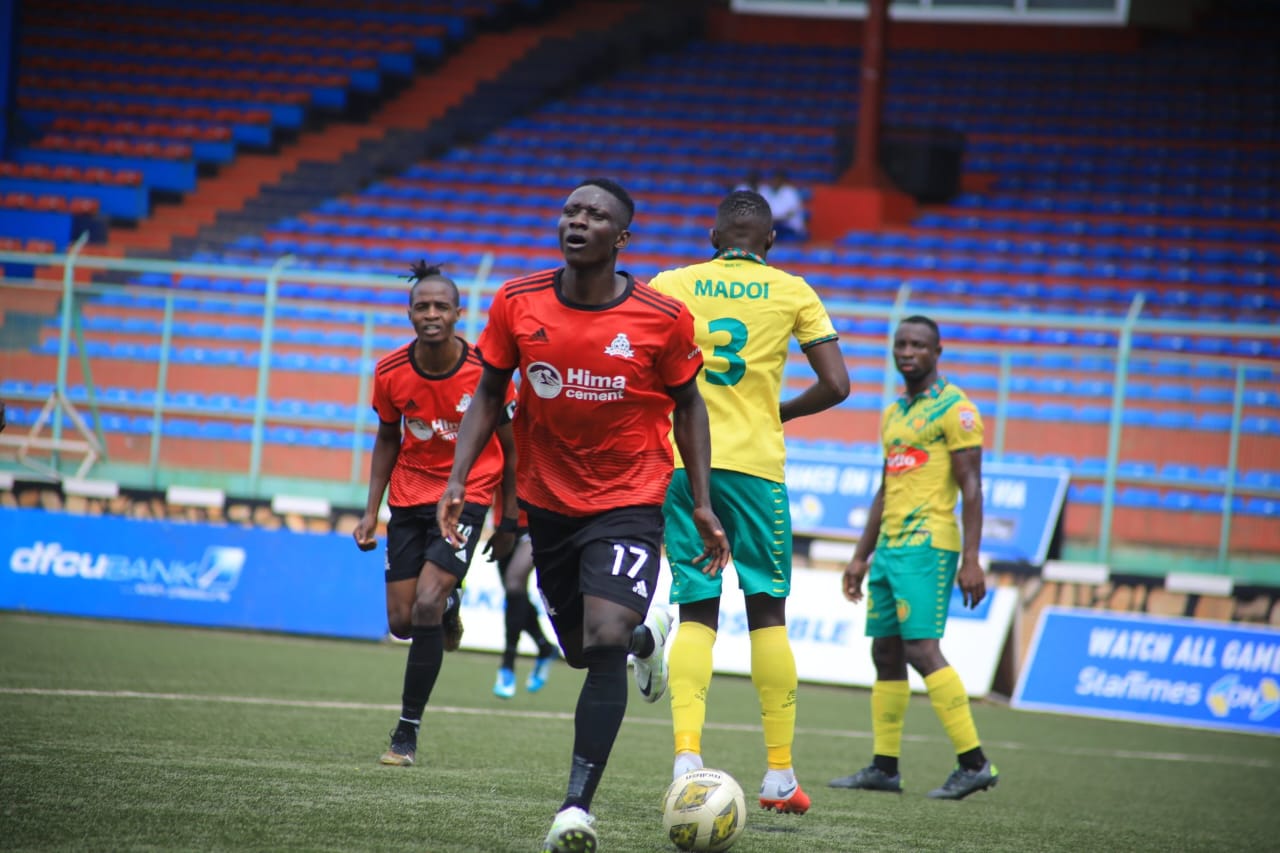
Players such as Muhammad Shaban, Karim Ndugwa, Cromwell Rwothomio, Frank Tumwesigye, Ivan Asaba, Abdu Lumala, Isa Mubiru, Davis Kasirye, David Bagoole, Kenneth Kimera and a host more, all arrived at various points carrying the promise of brilliance.
However, football’s harsh arithmetic often reveals that promise alone is insufficient. At Vipers, where expectations are relentless and competition for places is unyielding, only those willing to match talent with relentless industry ultimately endure.
What critics frequently fail to appreciate is that the very structure of Vipers is built upon meritocracy. The club has consistently assembled deep squads where every position is contested by multiple capable players.
Selection, therefore, is not granted by reputation but earned through discipline, consistency and performance in training and matches alike. In such an environment, the margin between playing and watching from the sidelines can be razor-thin.
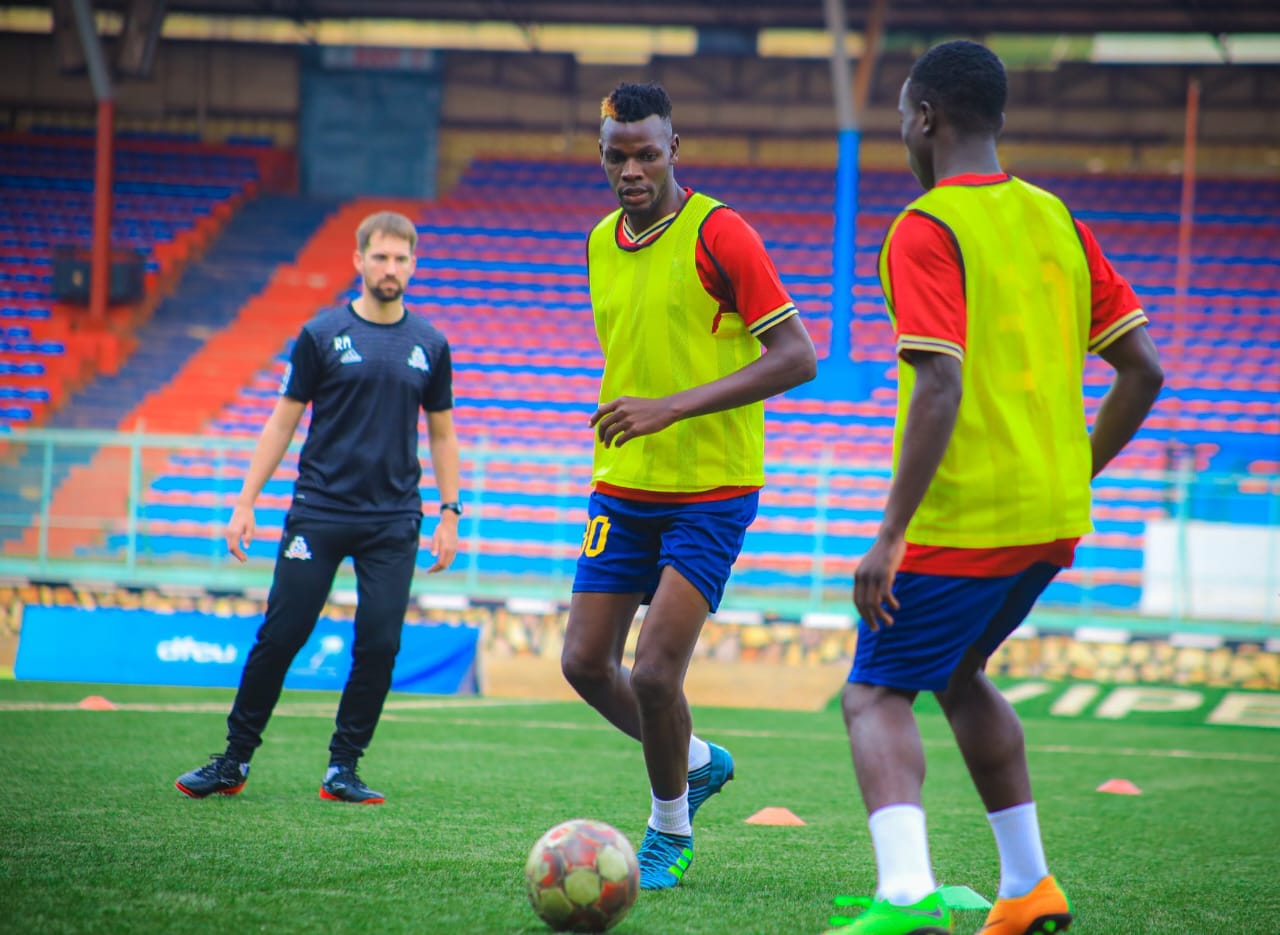
History itself provides the clearest rebuttal to the claim that Vipers stifles players. Several footballers have walked the same corridors and emerged not diminished, but elevated.
The likes of Milton Karisa, Bobosi Byaruhanga, César Manzoki, Karim Watambala, Allan Okello, Yunus Sentamu, Halid Lwaliwa, Taddeo Lwanga and many more, did not merely survive the pressures of Kitende, they thrived within them. Their success stories share a common thread: diligence, humility and an unwavering willingness to compete for their place.
Equally overlooked is the environment crafted under the stewardship of Dr. Mulindwa. Within the landscape of Ugandan football, few clubs can rival the professional standards established at Vipers.

Players enjoy some of the best working conditions in the domestic game, including decent salaries, timely payments, attractive sign-on fees and performance bonuses. The club’s infrastructure and administrative stability offer an ecosystem designed not merely for participation, but for excellence.
Furthermore, the technical guidance available at Vipers ranks among the most accomplished in the country. Players are entrusted to experienced coaches who demand tactical discipline and professional conduct, ensuring that talent is refined rather than squandered. For footballers with genuine ambition, this represents a rare and invaluable opportunity.
Beyond the confines of the club itself, Vipers has also become a prominent launchpad for national and international recognition. The Venoms possess one of the most distinguished records in Uganda for producing players who earn national team call-ups. For many, a successful stint at Kitende has proven to be the gateway to representing the country at the highest level.
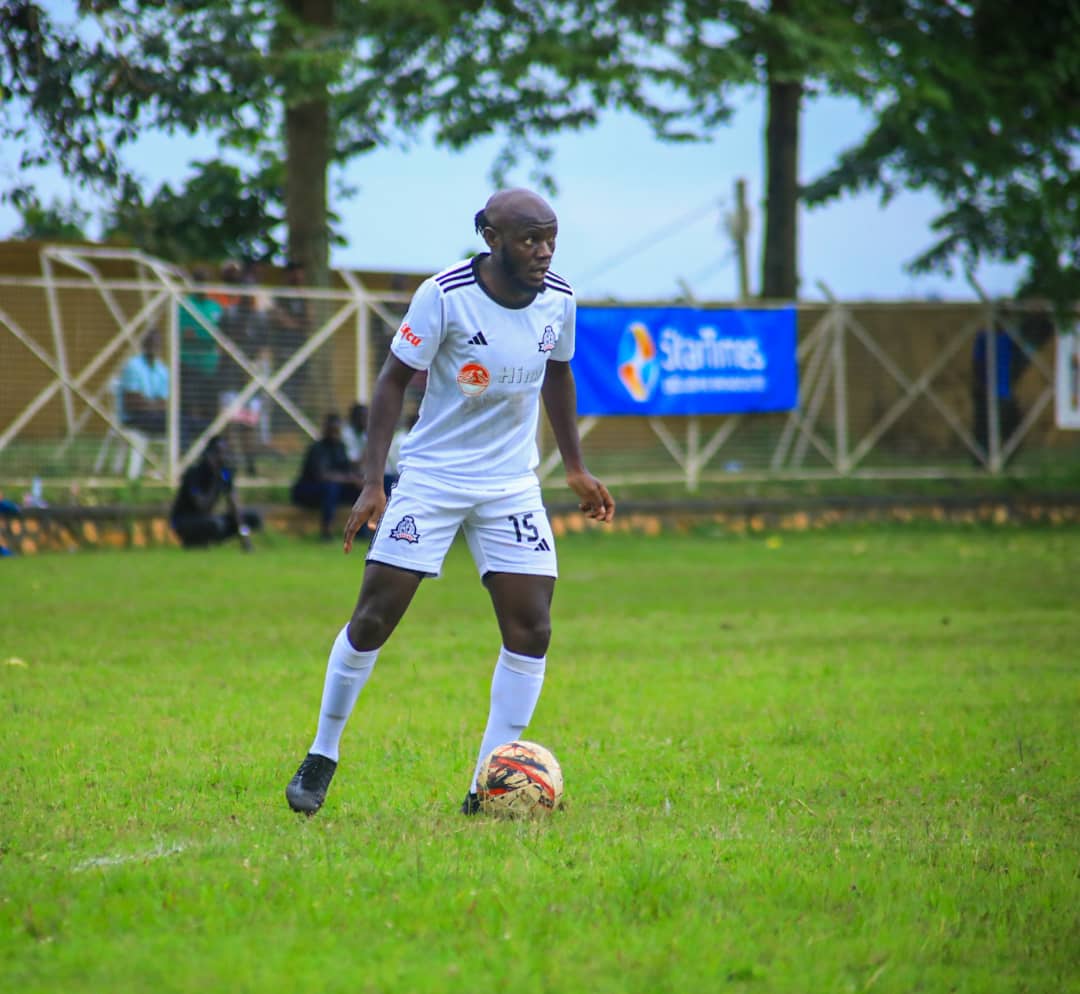
The same can be said of the club’s track record in exporting talent abroad. Vipers has repeatedly facilitated moves for players seeking professional opportunities beyond Uganda’s borders. Such pathways are not merely aspirational; they are tangible prospects for those capable of maintaining the standards demanded by the club.
Yet, despite these advantages, a curious pattern sometimes emerges. Some players arrive at Kitende believing they have already reached the summit of their careers. The security of timely salaries and improved living conditions can, for a few, breed complacency rather than hunger. Gradually, the relentless edge that once defined their game dulls.
When opportunities diminish as a consequence, blame is too often directed outward rather than inward.
Others struggle with an equally formidable challenge: competition. In a squad filled with quality, the ability to embrace rivalry for places becomes essential. For those unaccustomed to such pressure, the environment at Vipers can feel unforgiving.
But competitive excellence has never been gentle, it rewards resilience and punishes stagnation.
Ultimately, the narrative that Vipers SC somehow undermines players is both simplistic and unjust. The club offers resources, structure, opportunity and exposure unmatched by most in Ugandan football. What it does not offer, and perhaps should not, is guaranteed success.
At Kitende, the badge is not merely worn; it must be justified. And while some players rise magnificently to that challenge, others falter under its weight. When that happens, the responsibility does not lie with the institution that provides the platform. It lies with the individual who must prove worthy of it.