







As Uganda prepares to co-host the 2027 Africa Cup of Nations, the country’s football infrastructure is steadily taking shape.
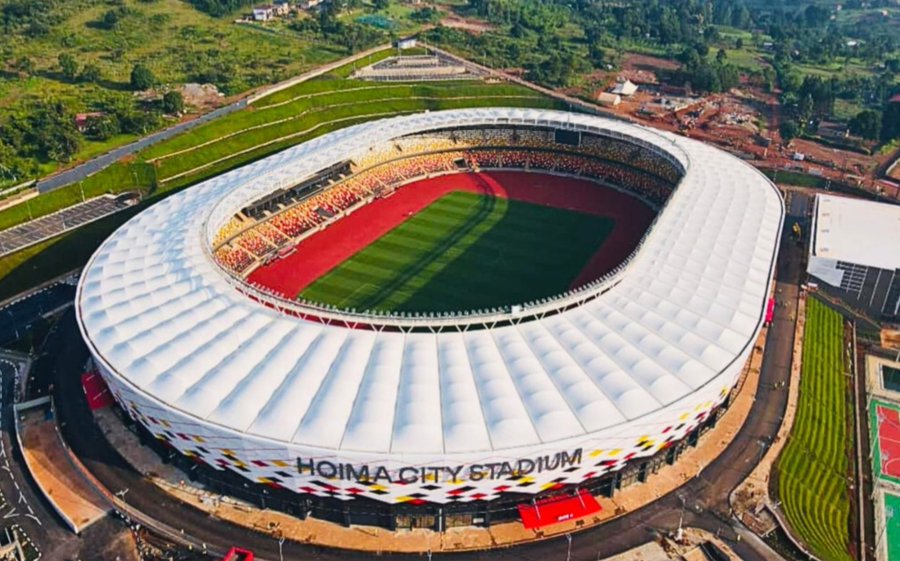
Among the newest jewels in that crown is Hoima City Stadium, a modern facility that signals the nation’s ambition to host continental football at the highest level.
While a recent CAF inspection pointed out a few areas that require fine-tuning to meet international standards, the stadium is largely match-ready thanks to the work done by Summa and other stakeholders.
Most of the remaining improvements can be completed as the facility continues to be used.
The stadium already has a piece of history attached to it.
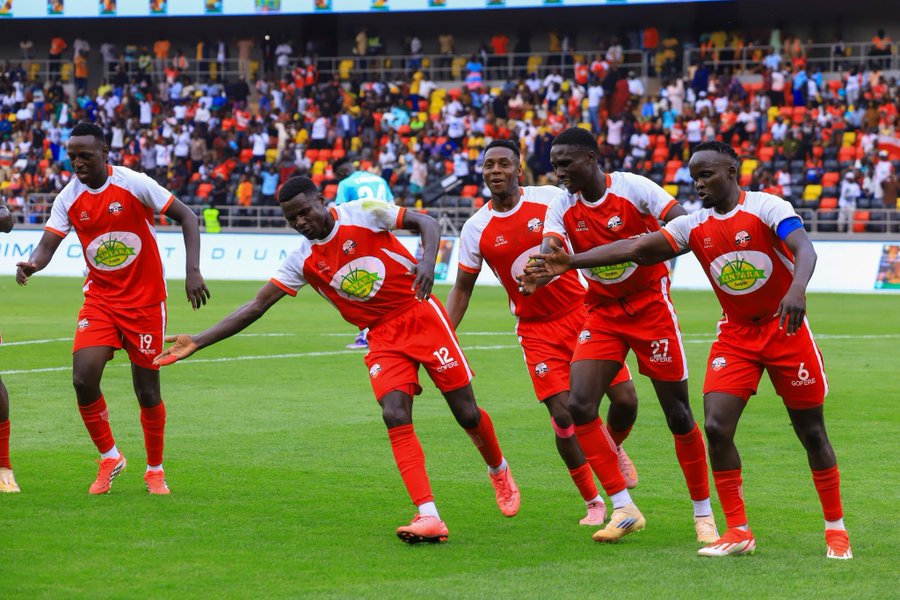
Back in December 2025, during the grand opening ceremony, Kitara defeated KCCA 1–0 courtesy of a strike from Isaac Amutuhaire.
The moment unfolded in front of President Yoweri Kaguta Museveni, marking the first official game played at the venue and offering a glimpse of what football in Hoima could look like in the years ahead.
Yet beyond the glamour of that historic night lies a lingering concern.
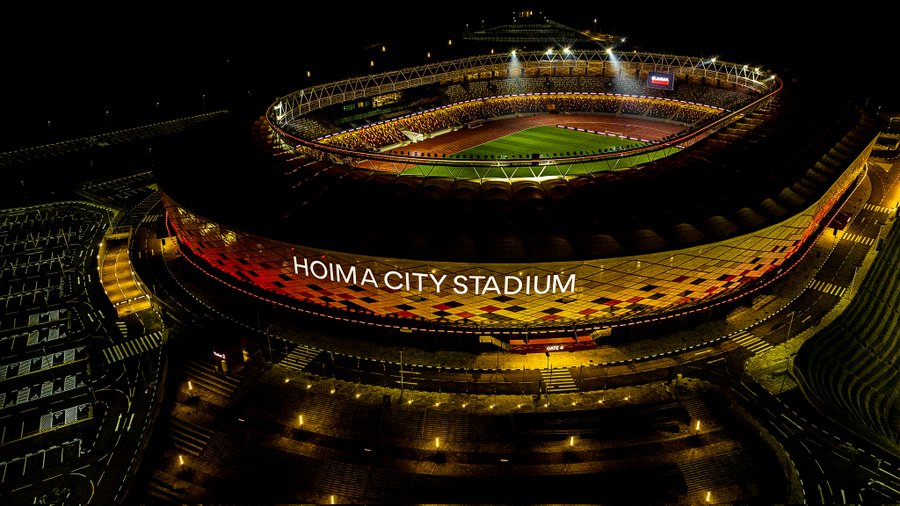
Hoima City Stadium is government-owned rather than club-owned.
That reality raises the question of sustainability, because using the stadium comes with operational costs that many clubs might struggle to meet.
Two Uganda Premier League sides hail from the Bunyoro region, Kitara and Buhimba, but the financial reality makes it uncertain whether either club can consistently afford to use the stadium as a home ground.
Even if they could, the bigger question remains: would the gate collections justify the expense?
Outside of the few high-profile fixtures, it is difficult to guarantee the numbers required to make it viable.
It’s a familiar challenge within Ugandan football, a world-class facility that risks underutilization.
But there is a promising sign on the horizon.
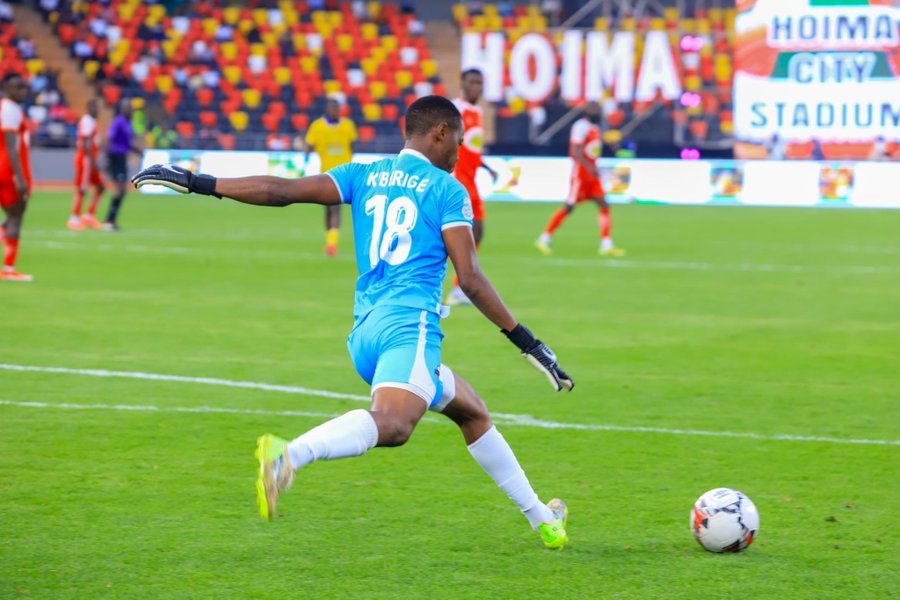
Just two months after hosting its ceremonial opener, Hoima City Stadium will stage its first competitive match when Kitara host Buhimba in the Bunyoro-Kitara derby on Friday, March 13.

The fixture pits two regional rivals against each other with very different ambitions.
Kitara remain firmly in the UPL title race, chasing leaders Vipers, while Buhimba are battling at the opposite end of the table in a fight for survival.
According to the UPL Secretariat, the decision to take the match to Hoima City Stadium came after a request from Kitara, who opted to switch the venue from their traditional base at Royal Park in Butema.
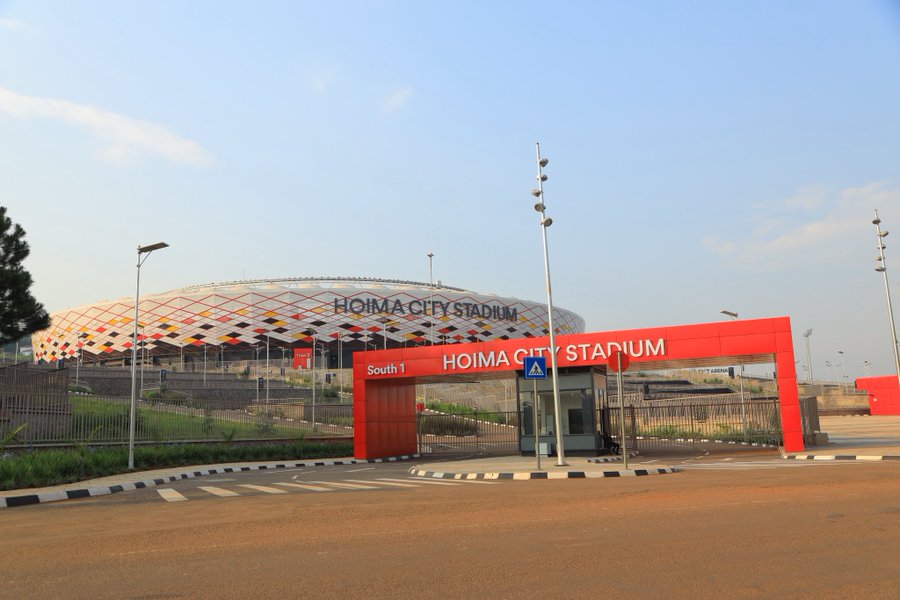
League officials approved the request after confirming that the hosts had fulfilled all operational requirements.
The timing, however, raises an interesting question.
Since the stadium’s grand opening, Kitara have hosted several league matches without considering a move to Hoima City Stadium. Why now?
The answer may lie in the magnitude of the occasion.
A derby between two Bunyoro sides is likely to attract a sizeable crowd, the kind of atmosphere worthy of a modern arena like Hoima City Stadium.
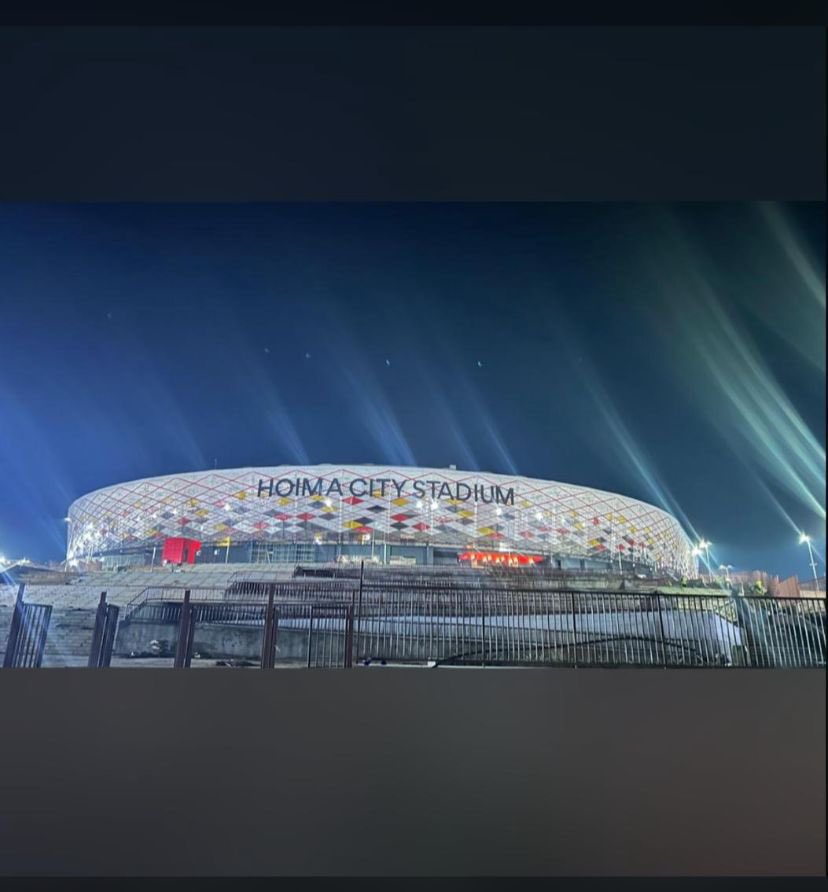
But this might not be a one-off.
Speaking on NBS Sport’s “Sport This Morning”, Kitara CEO Joshua Atugonza hinted that the club could increasingly turn to the facility in the future.
“It’s a facility that deserves to be in constant use,” Atugonza said. “If there’s an opportunity for us to play at Hoima City Stadium, then we shall.”
“We had the chance during the official unveiling against KCCA, and now we’ll host Buhimba there in the UPL on Friday.”
“The derby is always about bragging rights because we are rivals, and we also want to avenge the first-leg defeat.”
“But who knows? Hoima City Stadium could become our home ground in the future because the truth is it shouldn’t stay unused.”
For Kitara, there may also be a strategic angle behind the move.
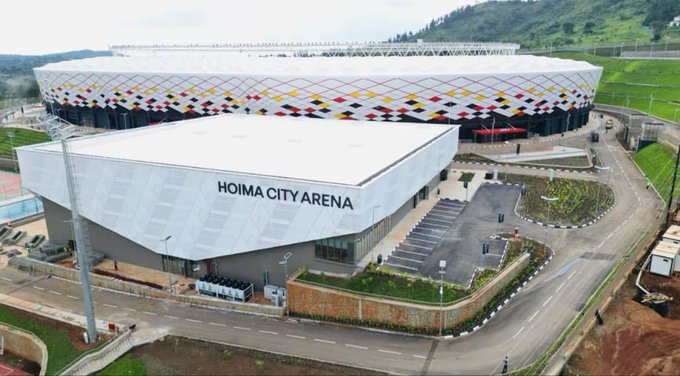
The Royals are still fighting on two fronts, the Uganda Premier League title race and the Uganda Cup Round of 16.
Winning either competition could earn them a ticket to continental football next season.
If that happens, Hoima City Stadium would almost certainly become their designated venue for CAF competitions, particularly with Uganda needing to test and maximize the use of AFCON-ready stadiums ahead of 2027.
The memory of their last continental adventure still lingers.
During their previous appearance in the CAF Confederation Cup, Kitara were forced to host both their “home” and away matches in Libya, a bizarre experience that stripped them of the advantage of playing in front of their own supporters.
That is exactly the scenario they will want to avoid in the future.
By deliberately taking more matches to Hoima City Stadium now, Kitara could ensure that if the continental stage calls again, the venue won’t feel like unfamiliar ground.
Instead, it would feel like home, a fortress they already know how to navigate.