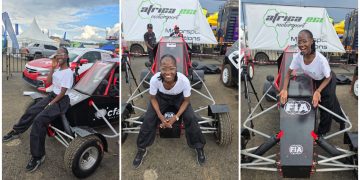







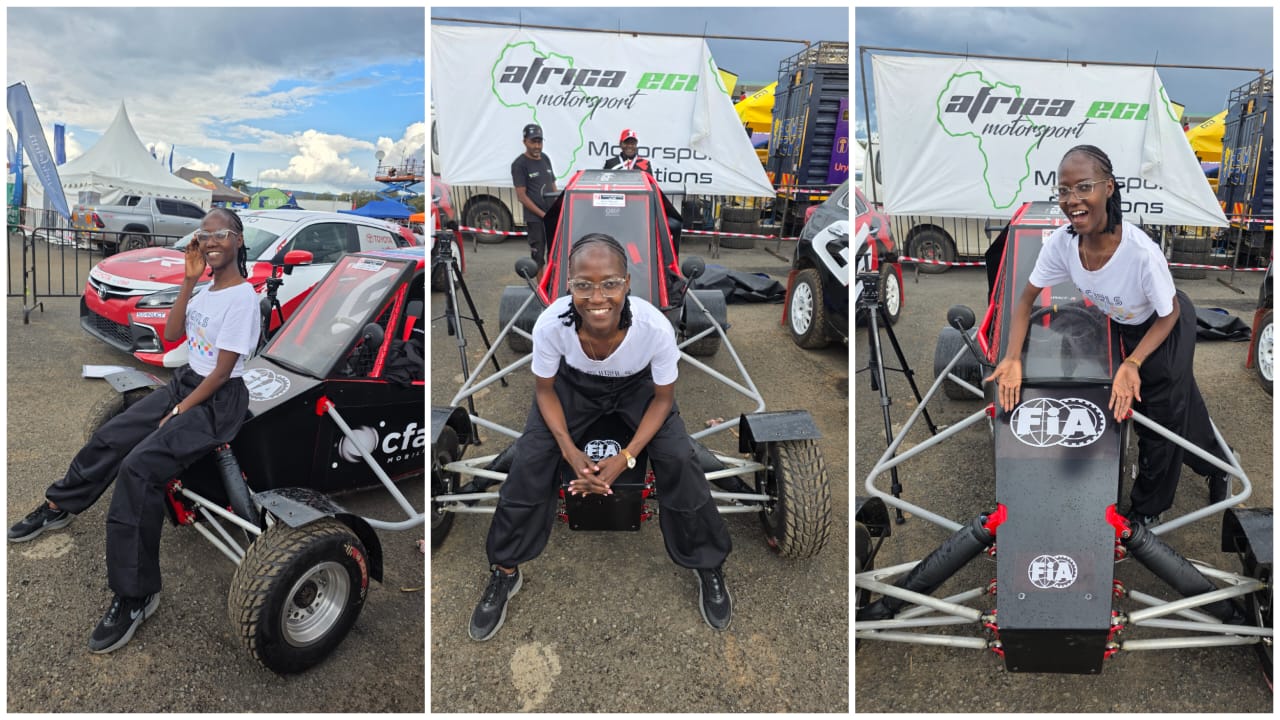
The Fédération Internationale de l’Automobile is set to unveil a new grassroots rally machine during the closing stages of the Safari Rally Kenya in Naivasha, a move aimed at reshaping access to motorsport across Africa.
FIA media official Sven Good confirmed that the new Cross Rally Car will be officially launched on Sunday, March 15, during the rally’s Power Stage at Hell’s Gate National Park. The vehicle is part of the governing body’s broader plan to expand participation in the sport by reducing costs and encouraging local vehicle development.
“This is one of the products of that vision,” Good said while outlining the concept behind the project. “FIA’s intention is to make motorsport accessible, affordable, and safe.”
Unlike traditional rally cars that are often imported at high cost, the Cross Rally Car has been designed using a standardised FIA technical blueprint that allows National Sporting Authorities to build the vehicles locally. The approach enables engineers to construct competitive rally cars using regional resources while still meeting internationally recognised safety standards.
The new car is expected to form the basis of a dedicated entry level championship aimed at developing future rally talent. Under the planned structure, the category will act as a beginner pathway for drivers hoping to progress into higher levels of competition such as the World Rally Championship.
The launch is scheduled to take place in front of a global broadcast audience during the final Power Stage of the rally, giving the project significant international exposure.
Meanwhile, conditions on the rally stages have already tested crews competing in this year’s Safari Rally. Heavy overnight rain on Friday forced organisers to cancel the Camp Moran stage after the route became heavily rutted and unsafe.
Officials confirmed that the conditions had turned sections of the stage into deep mud, making it impossible for technical and medical intervention vehicles to safely access the route.
The stage was removed from the itinerary as a safety precaution, though the rally has since continued with the remaining stages where drivers are now navigating thick mud and unpredictable grip levels.