






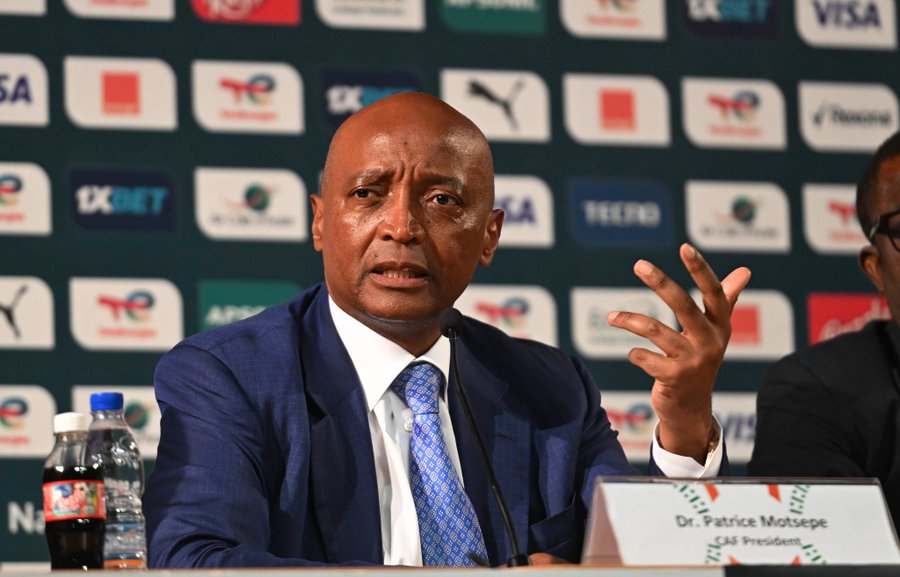
The decision by the Confederation of African Football to overturn the 2025 AFCON final has intensified scrutiny on the organisation, with fresh analysis highlighting concerns around officiating, consistency, and perceived influence.
Writing in The Athletic, football journalist Jay Harris said Senegal’s actions in the final breached tournament rules but argued the wider context explains the scale of the backlash that has followed.
Senegal’s players walked off late in the match after a penalty was awarded to Morocco national football team for a challenge involving El Hadji Malick Diouf on Brahim Díaz. CAF later ruled that the Senegal national football team had forfeited the match, awarding Morocco a 3-0 victory.
Harris notes that while the rules were applied, the controversy is rooted in a broader perception during the tournament that Morocco benefited from favourable officiating decisions. Incidents raised include challenges involving Adam Masina during the quarter-final against Cameroon, as well as complaints from Nigeria following their semi-final defeat.
In the final itself, Senegal believed they had a legitimate goal ruled out shortly before the penalty decision, a sequence that contributed to the players’ reaction and fan protests in the stands.
The aftermath, according to the analysis, risks shaping how the decision is viewed across the continent. There is a growing perception among some observers that Morocco’s appeal has reinforced concerns about influence within CAF structures.
The situation is further complicated by disciplinary adjustments. Midfielder Ismael Saibari saw his initial three-match suspension reduced to two games, with one suspended, while a significant financial fine was removed following incidents involving Morocco’s bench and ball personnel during the final.
Harris argues that these developments raise key questions for CAF, including how the title will be recognised beyond Morocco and what happens to the medals and trophy initially awarded to Senegal.
The fallout also extends to Morocco’s technical bench, with former head coach Walid Regragui having already stepped down in the weeks after the tournament, adding another layer to an already complex situation.
Senegal are expected to challenge the ruling at the Court of Arbitration for Sport, meaning the final outcome of the tournament remains uncertain.
For African football, the episode has exposed deeper tensions around officiating standards, governance, and trust in competition structures, issues that will remain in focus as the continent looks ahead to future tournaments.