






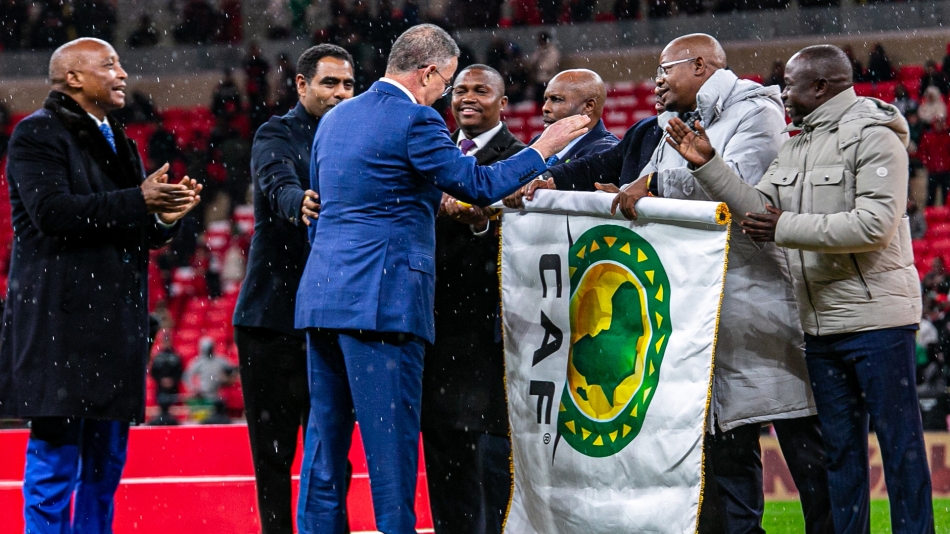
Uganda’s ambition to co-host the 2027 Africa Cup of Nations is far from derailed. If anything, the latest caution from Confederation of African Football (CAF) may serve as the timely wake-up call needed to sharpen execution and fast-track delivery.
CAF’s February 2026 inspection report did not dismiss Uganda’s readiness outright, it simply flagged a critical concern: the proposed 15-month upgrade timeline for Mandela National Stadium is currently “incompatible with AFCON 2027 delivery requirements.”
That sounds alarming on the surface. But beneath it lies a more constructive message, adjust, accelerate, and deliver.
A Challenge, Not a Dead End
CAF’s findings point to substantial works required at Namboole, including partial demolition of the West Stand, roof replacement, and structural expansion. There are also gaps in spectator flow systems, hospitality areas, and media facilities.
Yet importantly, CAF didn’t shut the door. Instead, it offered a roadmap:
- Maximize the existing structural frame
- Reduce construction timelines
- Target completion by December 2026
These are not impossible demands, they are practical corrections.
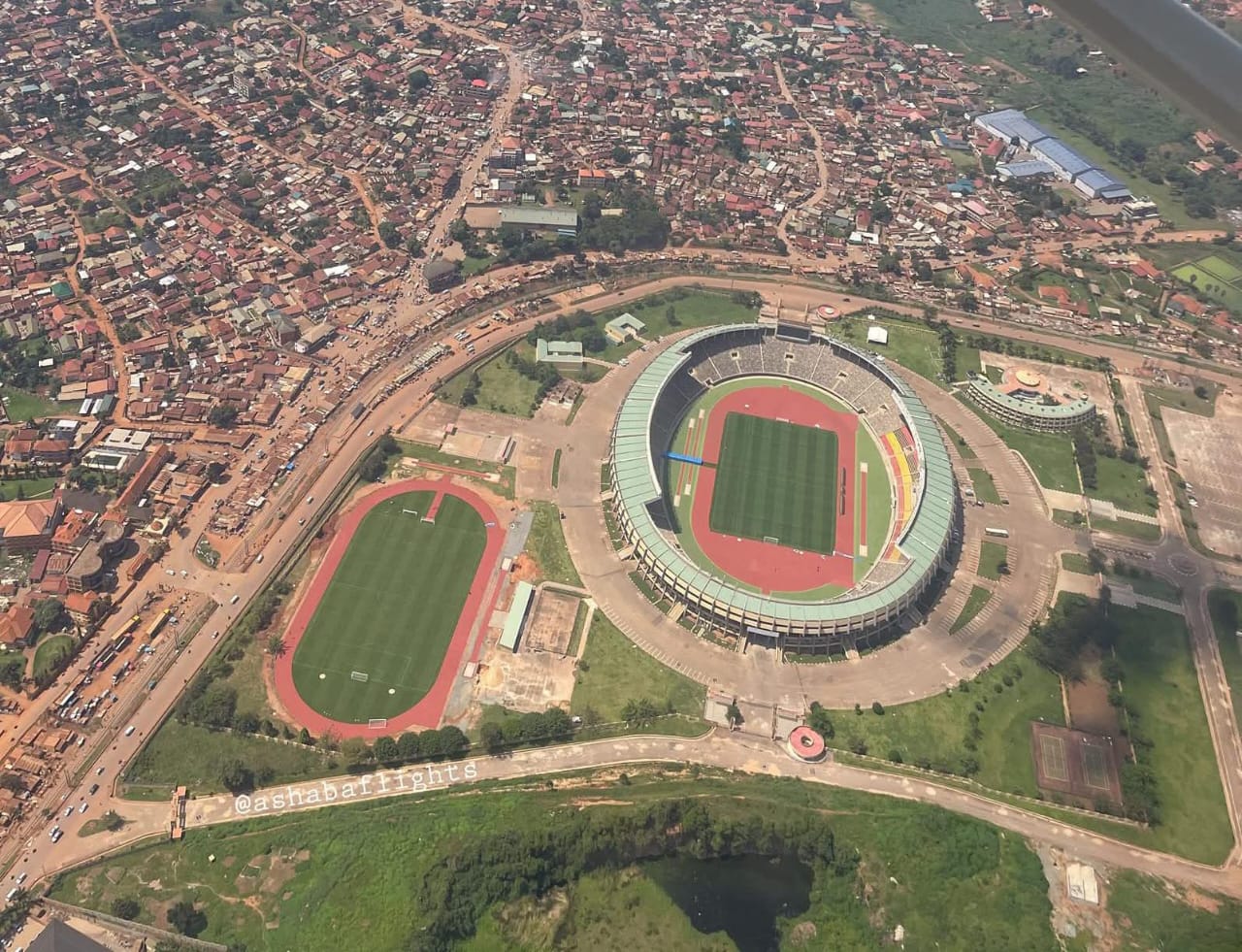
CAF has also asked Uganda to show visible progress by the next inspection in August 2026, including confirming contractors, revising the upgrade plan, and beginning structural works. In essence, Uganda still controls its own destiny.
Government Confidence Remains Firm
While CAF’s tone may appear cautionary, Uganda’s leadership remains unwavering.
State Minister for Sports, Peter Ogwang, struck a confident and reassuring note:
“Should there be any concerns about us hosting AFCON 2027? From my perspective, no – there is no problem,” he spoke to NBS Sport on Friday.
Rather than downplaying CAF’s report, Ogwang welcomed it as part of the process:
“We welcome all the findings of the CAF report and will work directly with Summa to address them at Hoima City Stadium. We aim to meet the required CAF Category 4 standards, as we are already largely at a satisfactory level.”
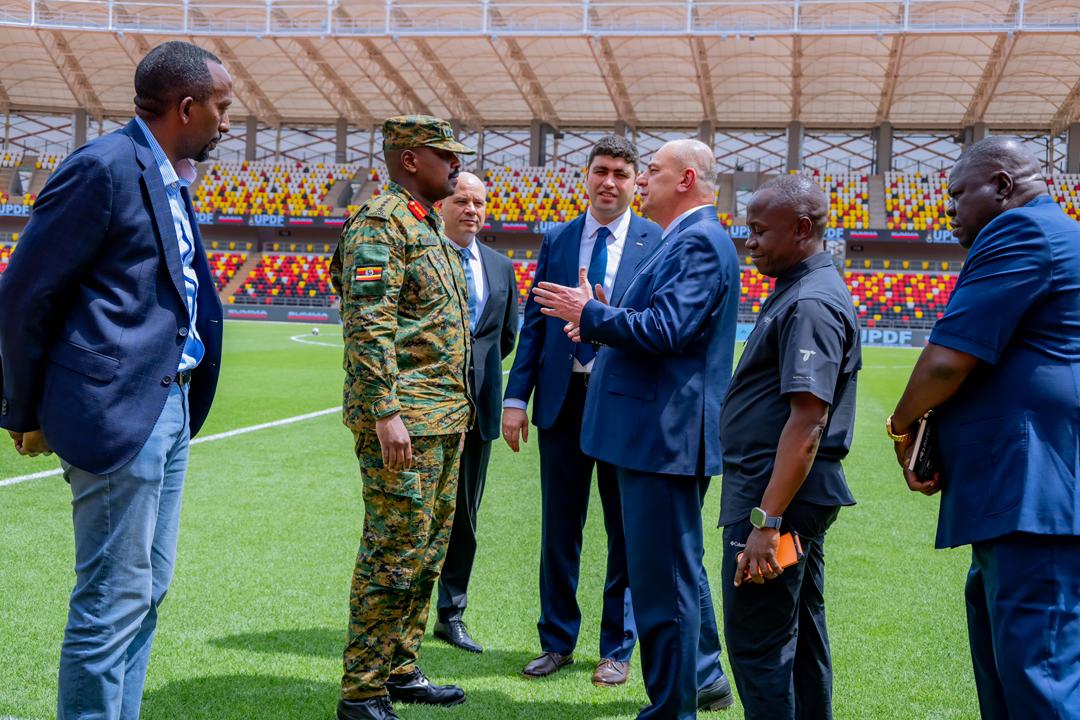
His confidence is anchored in precedent. The rapid progress seen at Hoima City Stadium offers a blueprint for what can be achieved under pressure.
“If Summa finished Hoima City Stadium ahead of schedule, what would stop them from making the highlighted corrections in August? Nothing.”
A Nationwide Effort Beyond Stadiums
Uganda’s AFCON 2027 preparations extend far beyond Namboole. The government has already committed additional resources, with multiple ministries actively involved.
From upgrading training facilities to improving road networks, expanding hotel capacity, and fast-tracking works at Hoima Airport, this is shaping up to be a coordinated national project, not just a stadium renovation.
As Ogwang emphasized: “The government has agreed to provide additional resources for hosting AFCON 2027. Beyond stadium issues, the Ministries of Health, Tourism, Internal Affairs, and Transport are all involved.”
The Bigger Picture
Yes, there are timelines to fix. Yes, there are structural challenges. But Uganda is not off track, it is being challenged to move faster and smarter.
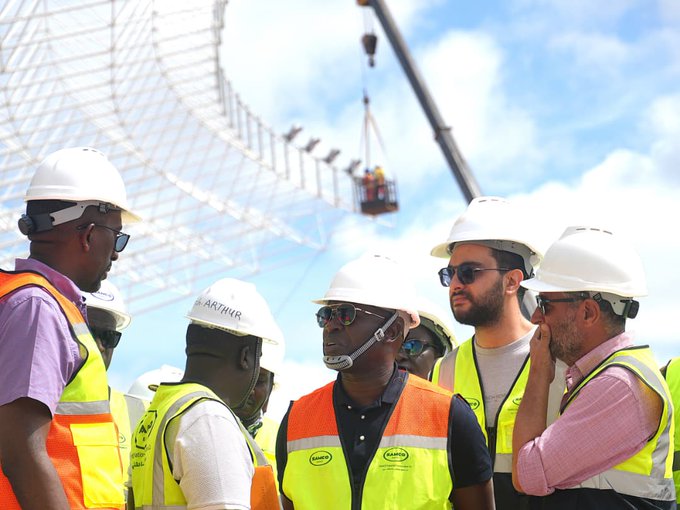
With the UPDF Engineering Brigade already handed the Namboole site and an MoU in place, the foundation for action is set. What remains is execution.
CAF’s warning should not be mistaken for rejection. It is, instead, a test of urgency and coordination.
And if Uganda responds decisively, as the government insists it will, then the AFCON 2027 dream is not slipping away.
It is very much alive.