







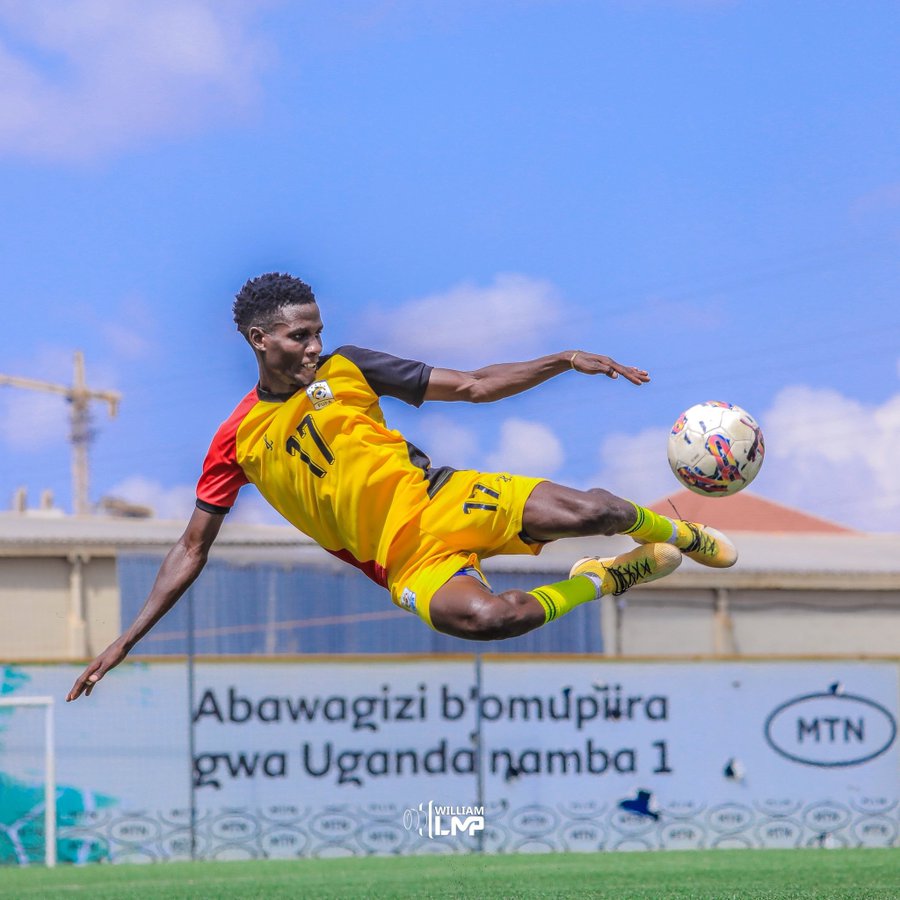
Uganda’s domestic football scene this season has unfolded as a story of renewal, reinvention, and individual elevation.
While established names continue to dominate headlines, a group of previously understated players has emerged with remarkable progress, adding a fresh and compelling layer to the campaign.
From players rediscovering their scoring touch to defenders embracing attacking responsibilities, the 2025/26 season has become a stage for transformation.
Karim Watambala – Vipers SC
At the forefront of this wave of improvement is Karim Watambala, whose rise has been exceptional.
Once more associated with creativity than goal-scoring, Watambala has evolved into a decisive attacking presence. He has recorded 11 goals and 4 assists in just 22 appearances across all domestic competitions.
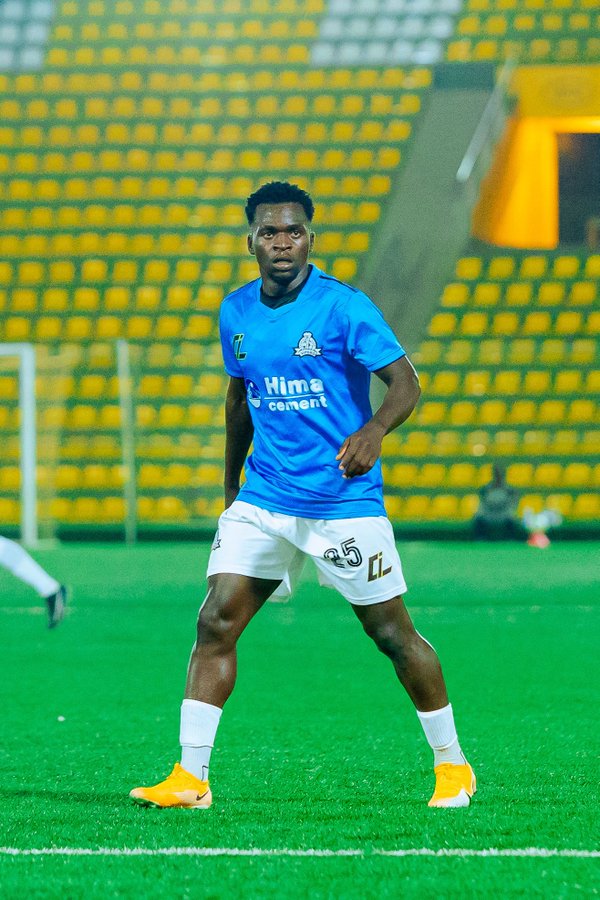
This marks a significant shift from last season, where his influence was more subtle and less direct in front of goal. Now, he combines creativity with clinical finishing, making him a central figure in Vipers SC’s attacking structure.
Sammy Ssebaduka – KCCA FC
Sammy Ssebaduka’s resurgence has been equally noteworthy.
After limited involvement last season, he has grown into a reliable contributor for KCCA FC, registering five goals in 20 league matches.
His performances reflect increased confidence and trust from the technical team, as well as a player who has embraced a greater role with consistency and intent.
KCCA FC's Sammy Ssebaduka Speaks on His Versatility.#NBSportUpdates #KCCAFCTV #KCCAFC pic.twitter.com/FXsY9ieTDN
— NBS Sport (@NBSportUg) October 13, 2025
Usama Arafat – Vipers SC
Usama Arafat has continued his upward trajectory following his move from KCCA FC to Vipers SC. With 10 goals and 7 assists in 22 matches across all domestic competitions, his attacking output has seen a dramatic rise.
Arafat’s development is evident in his improved decision-making and efficiency in the final third, allowing him to influence games both as a scorer and a creator.
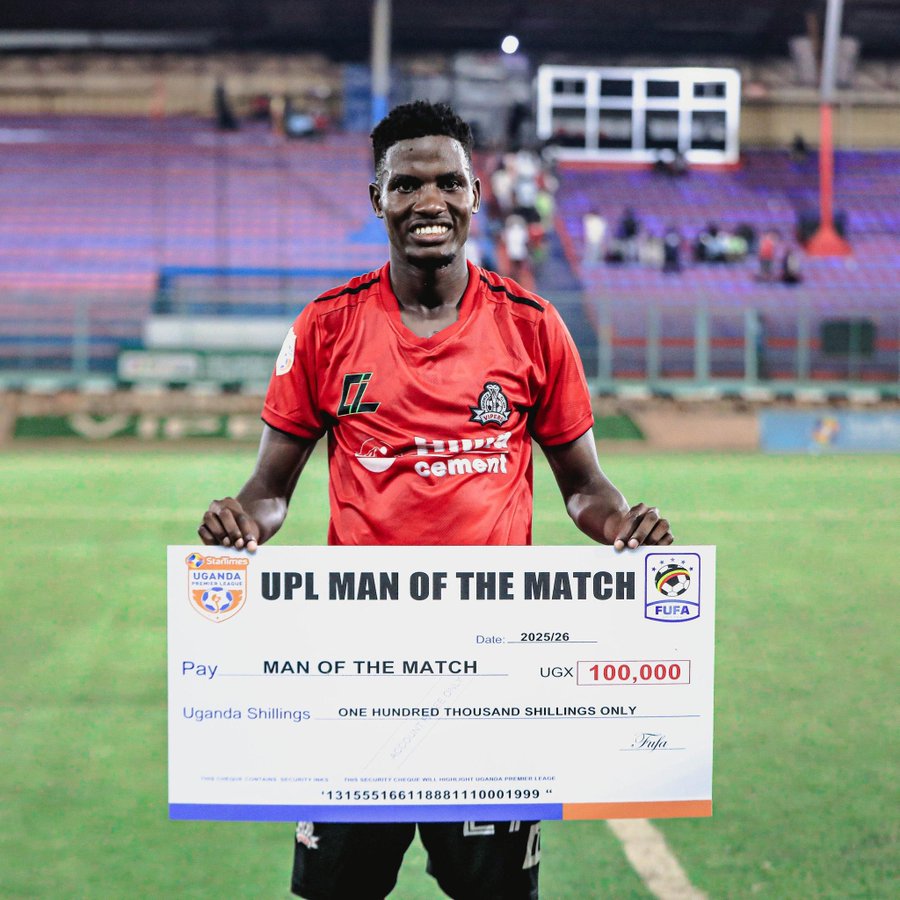
Hassan Mubiru – SC Villa
At SC Villa, Hassan Mubiru has shown meaningful growth in his overall game.
While not always reflected in headline numbers, his improved goal-contribution record (two goals and four assists from one and two, respectively) and increased involvement in build-up play highlight a more complete and effective performer.
His evolution speaks to a player refining his role and contributing more consistently to the team’s attacking patterns.

Najib Yiga – SC Villa
Najib Yiga’s improvement has been one of the most striking within the squad.
From registering no goal contributions last season, he has risen to eight (five goals and three assists) this campaign.
This leap underscores renewed confidence, better positioning, and a stronger attacking presence, marking him as one of the season’s quiet success stories.
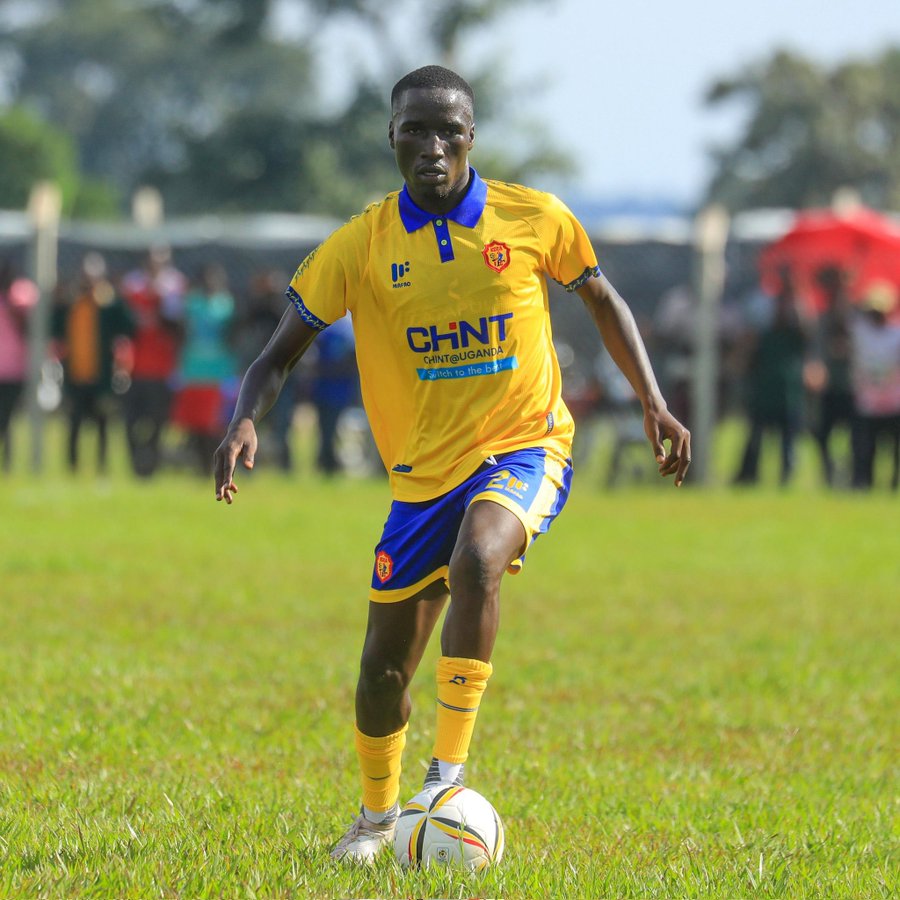
Herbert Achayi – KCCA FC
Herbert Achayi represents one of the most notable tactical transformations.
Previously deployed as a center-back at Express FC with limited attacking involvement, he has been repositioned at left-back and embraced the role impressively.
With four goals and four assists in 19 matches in the League, Achayi has added a new dimension to his game, combining defensive reliability with significant attacking output.
Mohammed Kagawa Ssenoga – NEC FC
Now at NEC FC after his time with Express FC, Mohammed Kagawa Ssenoga has found a system that maximizes his strengths.
His return of seven goals and one assist in 17 League matches marks a clear improvement from last season’s quieter campaign, where he scored once with two assists in 15 appearances.
This surge reflects a player thriving in a new environment, with greater confidence and attacking freedom.

Wahab Gadaffi – Kitara FC
Wahab Gadaffi has quietly put together an impressive season for Kitara FC.
With six goal involvements in just League 13 matches, he has already surpassed his previous campaign’s output, where he only had two goal involvements.
His efficiency and sharper attacking awareness highlight a player growing in influence and consistency.
The Bigger Picture
What links these players is more than just improved statistics. Their development reflects adaptability, whether through positional changes, increased responsibility, or renewed belief.
Together, they embody the evolving nature of Uganda’s domestic competitions, where opportunity meets preparation to produce standout individual progress.