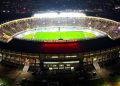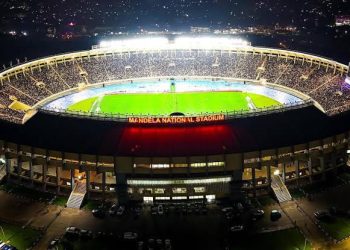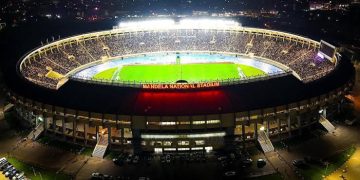







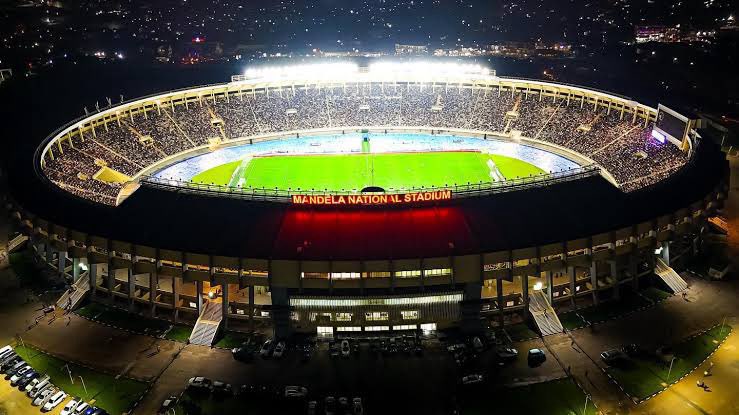
Uganda is preparing to commit a staggering $60 million (approximately UGX 225 billion) to the second phase of renovations at Mandela National Stadium, Namboole, in a decisive bid to align the facility with the Confederation of African Football (CAF) standards ahead of the 2027 Africa Cup of Nations.
State Minister for Sports, Hon. Peter Ogwang, confirmed the ambitious financial outlay, underscoring government’s resolve to transform the country’s premier football venue into a befitting continental arena.
“I want to confirm that works of the Namboole main stadium are entirely on the UPDF Engineering Brigade. Government earmarked funds worth $60 million for Phase Two,” Ogwang confirmed in an interview with NBS Sport.
The planned Phase Two works will build upon an already costly initial phase, which consumed $25 million (about UGX 97.9 billion), bringing the cumulative investment into Namboole’s facelift to an eye-watering $85 million.
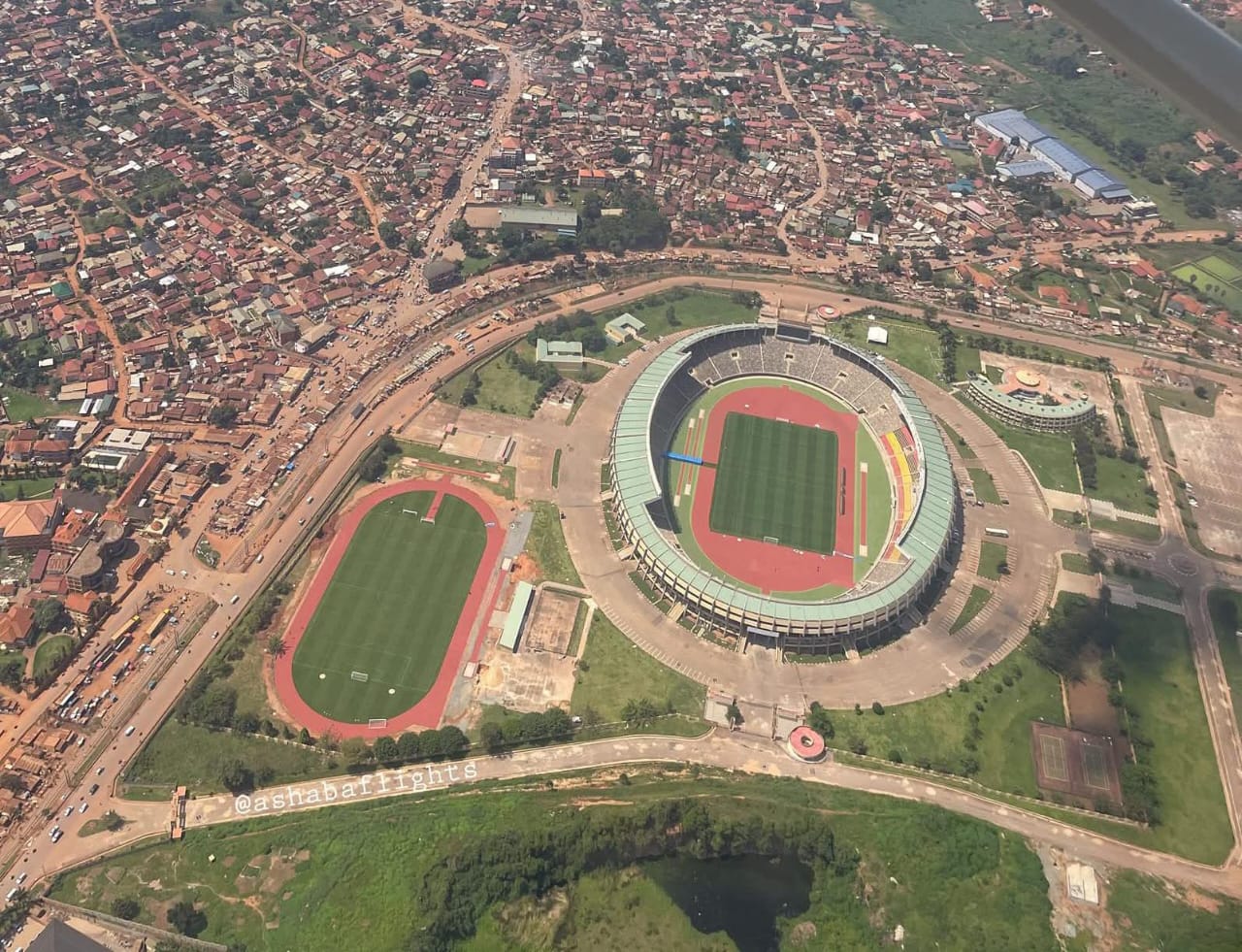
The announcement comes against the backdrop of a damning CAF inspection report released last week, which revealed that none of Uganda’s stadiums currently meet the stringent requirements to host Africa’s flagship football tournament.
Even the newly constructed Hoima City Stadium failed to pass the test, a stark indication of the scale of infrastructural deficiencies the country must urgently address.
Uganda, alongside Kenya and Tanzania, secured the rights to co-host AFCON 2027 in a historic joint bid. However, the latest assessment has cast a spotlight on the pressing need for accelerated upgrades, particularly in Uganda and Kenya, where existing facilities fall short of continental expectations.
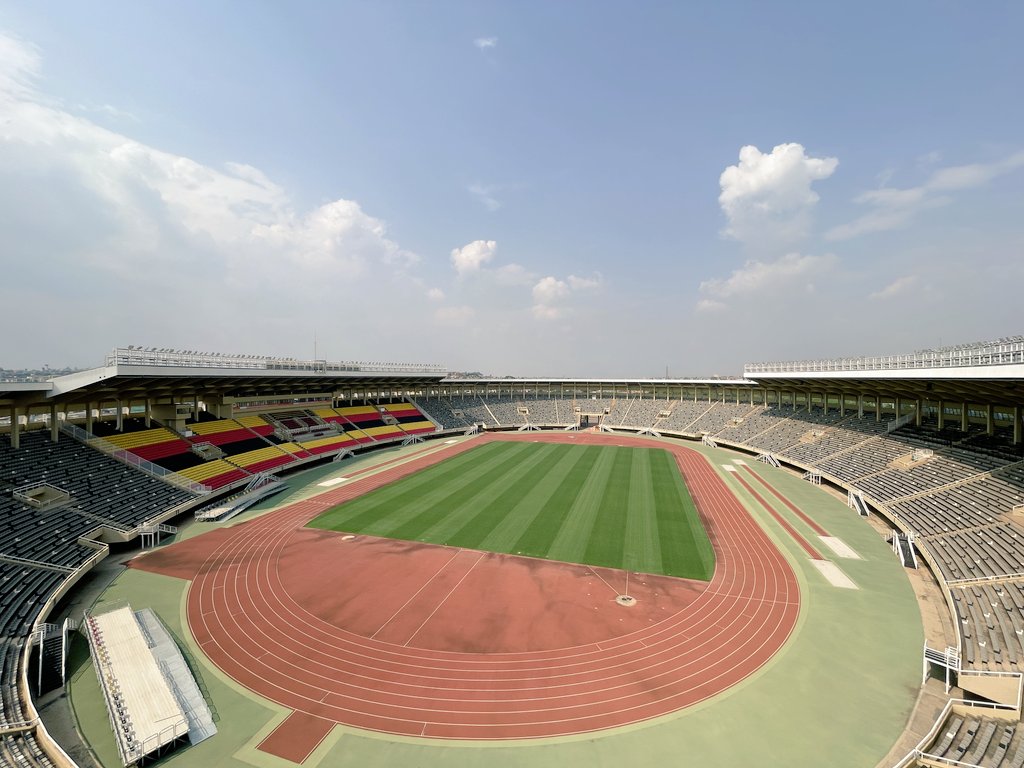
Phase Two of the Namboole redevelopment is expected to encompass extensive structural and aesthetic improvements, potentially including upgrades to seating capacity, pitch quality, roofing, lighting systems, media facilities, and overall spectator experience, elements CAF deems non-negotiable for tournament hosting.
Ogwang’s remarks signal not just a financial commitment, but a broader national intent to salvage Uganda’s readiness and credibility as a co-host. With the clock ticking toward 2027, the success of this $60 million phase could very well determine whether Namboole rises to continental standards or remains emblematic of missed opportunity.
In the grand calculus of AFCON preparedness, Uganda is now wagering heavily on Namboole, betting billions that its iconic stadium can be reborn in time to welcome Africa.