






Uganda’s build-up to the 2027 Africa Cup of Nations has taken a decisive turn after the government approved a substantial financial package aimed at strengthening both infrastructure and national team readiness.
A total of Shs 30.25 billion is set to be disbursed to Federation of Uganda Football Associations (FUFA), marking a key milestone in the country’s wider preparations for the continental showpiece, which it will co-host alongside Kenya and Tanzania under the PAMOJA 2027 initiative.
The funding framework has been carefully split to address two pillars: upgrading facilities and sharpening the competitiveness of the Uganda Cranes.
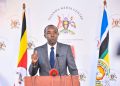
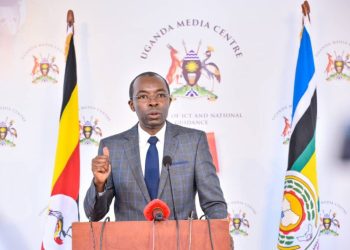
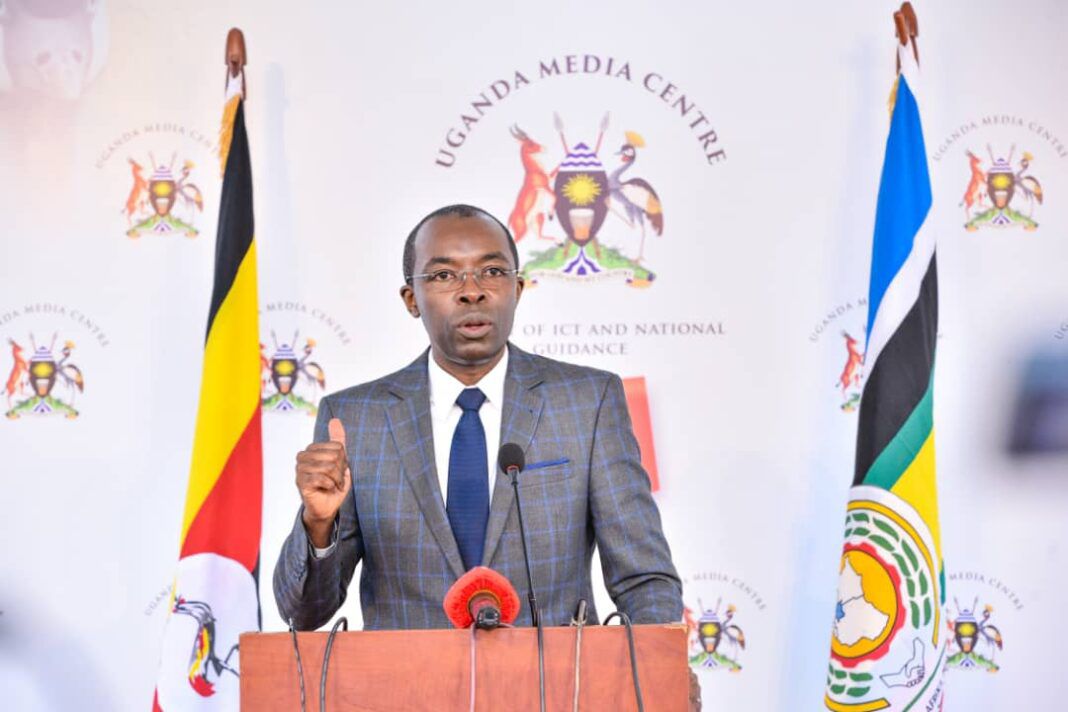
Dr. Dennis Mugimba, who heads communications on the AFCON 2027 Local Organising Committee, revealed the details during a media briefing held at the Uganda Media Centre on Tuesday.
A significant portion, Shs 17.7 billion, has been earmarked for the redevelopment of Kadiba Stadium in Mengo. The facility is being transformed into a modern training hub expected to host visiting national teams during the tournament.
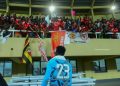
Meanwhile, Shs 12.55 billion has been allocated directly to the Uganda Cranes to elevate their preparations. The investment will facilitate elite training camps, international friendly matches, and technical improvements, all aimed at ensuring the team competes strongly on home soil rather than repeating the disappointment of an early exit experienced in the 2025 tournament.
The funding boost forms part of a much larger national commitment toward AFCON 2027, with government projections placing total expenditure at approximately Shs 1.3 trillion. This comes even after the Local Organising Committee’s budget was scaled down significantly from Shs 2.4 trillion to Shs 900 billion.
“Uganda is expecting to receive between 1.5 million and 1.8 million visitors, with projections potentially reaching 2 million,” Dr Mugimba stated. “This would mark a record attendance for any CAF competition.”
Tournament action within Uganda will be staged at Mandela National Stadium and the Hoima City Stadium, while Kadiba will primarily serve as a high-performance training venue.
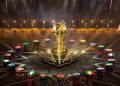
Authorities have also drawn a firm line on timelines, insisting that all infrastructure must be completed and approved by January 2027, six months before kickoff on June 19.