
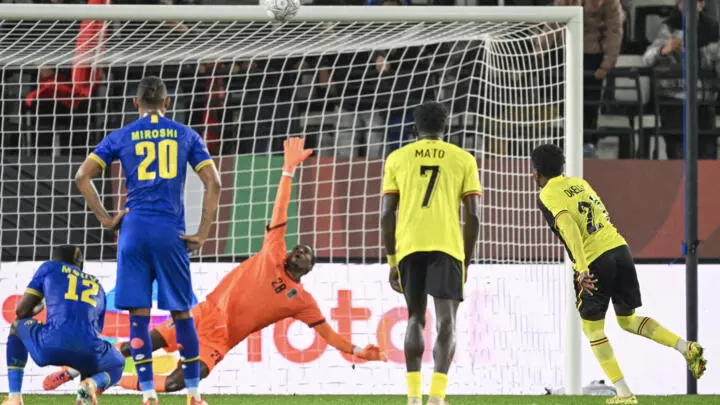
Allan Okello stood at the penalty spot, heart pounding, as the final moments of Uganda’s AFCON 2025 clash with Tanzania ticked away.
The score was 1-1, and the Cranes had one last chance to seal the win. Okello, Uganda’s first-choice penalty taker, knew the responsibility that came with the role. With James Bogere fouled in the box, it was his moment to shine, or to fall.
But when the whistle blew, Okello’s shot sailed high over the crossbar. The chance for Uganda’s victory slipped away, and the weight of the miss was immediately felt, not just by Okello, but by every player and fan of the Cranes.
A Rollercoaster of Emotions
After trailing 1-0 through Simon Msuva’s penalty, Uganda had fought back valiantly, showing dominant possession and pressing hard for the equalizer.
Their persistence paid off in the 80th minute when substitute Uche Mubiru Ikpeazu headed in Denis Omedi’s brilliant cross, leveling the score at 1-1.
But the drama wasn’t over. In the dying seconds of the match, Bogere was brought down in the penalty area.
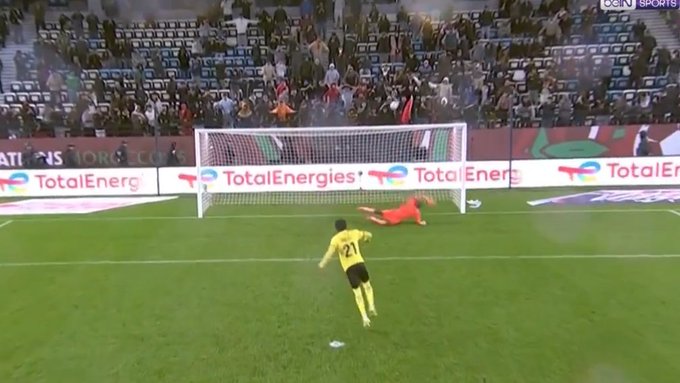
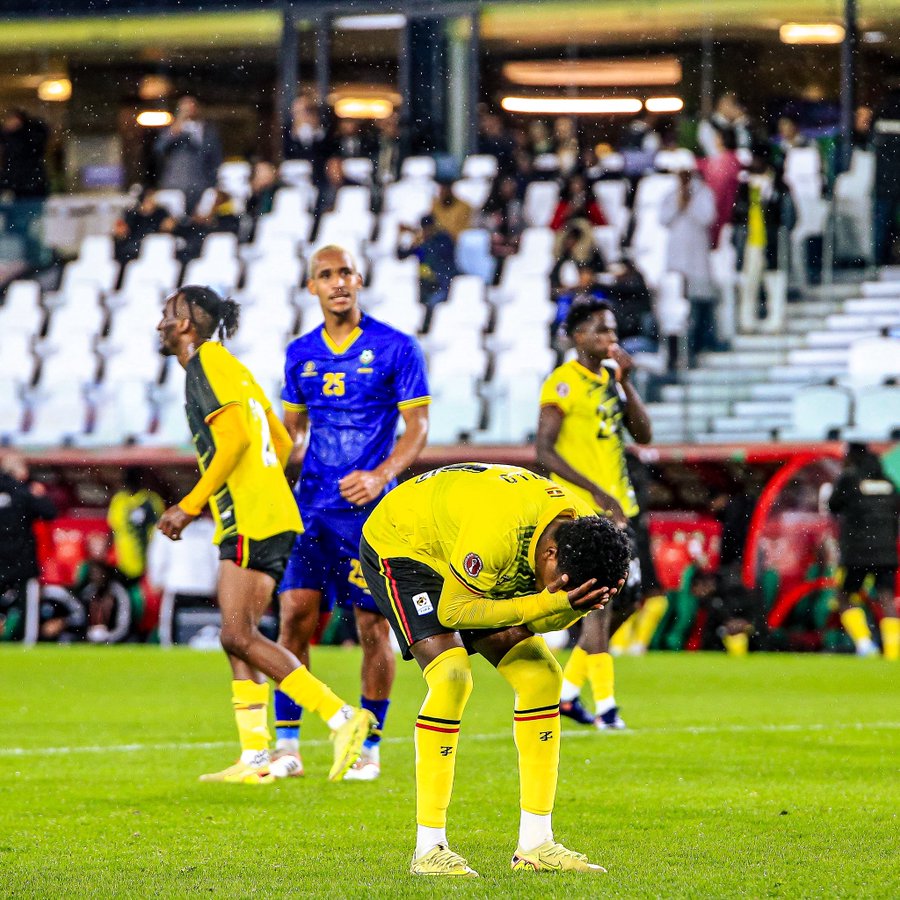
A golden chance to win the game. Okello, who had taken the responsibility of penalty taker for Uganda, stepped up to take the spot kick with everything on the line. Unfortunately, despite the pressure, he missed.
The disappointment was evident on his face. As he stood there, with his head buried in his hands, you could almost hear the thoughts racing through his mind: “Maybe I should have passed the responsibility to someone else?”
No Escape from Responsibility
There’s a bitter truth in football: responsibility doesn’t have an escape route. Okello knew that stepping up for the penalty was his job.
No matter the pressure, no matter the stage, he is Uganda’s designated penalty taker. In any high-stakes game, the team counts on its first-choice players to deliver in the big moments.
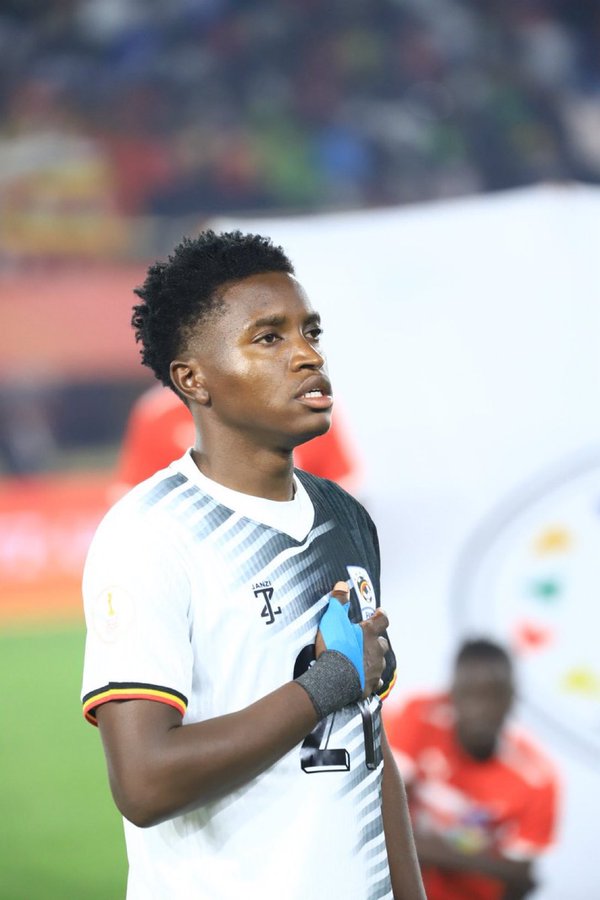
But as he prepared to take that kick, Okello was already familiar with the weight of expectation. Earlier in the African Nations Championship, Okello had missed a penalty against South Africa, only to make up for it by converting from the rebound. In that moment, too, the pressure had been immense. But this time, there was no rebound.
Okello’s failure to convert sparked disappointment, but also reflection. Had the pressure been too much? Was there anyone else who could have stepped up? Denis Onyango, Uganda’s most senior player and captain of the day was on the pitch, could have chosen someone else? No.
In the past, Rogers Mato had attempted a penalty in a World Cup qualifier against Somalia, only for Khalid Aucho to hand the ball over to Okello, trusting him with the task. The decision was clear: Okello was the designated man.
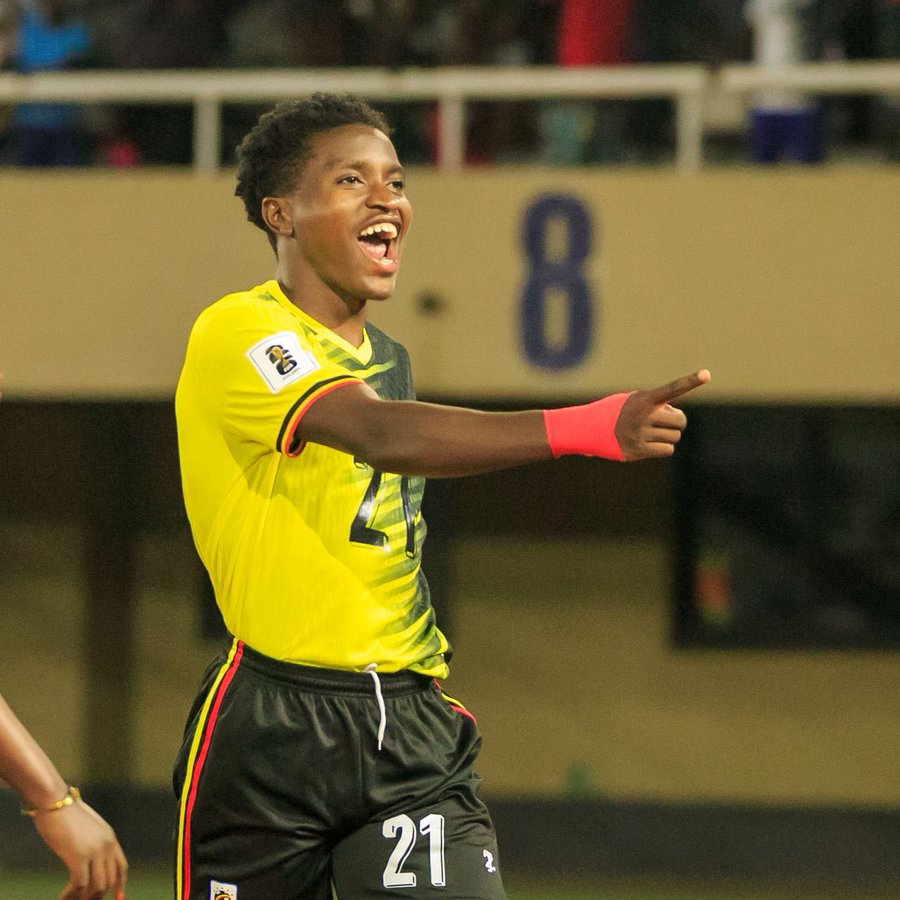
The Fallout: A Fan-Favorite Under Fire
The reaction was swift. Fans were upset, naturally, and some took to social media to voice their frustration. Online, the sentiment was clear: Okello had missed, and the stakes were high.
But despite the criticism, Okello remained the fan favorite. His reputation as one of the most talented players in the team cushioned the blow.
In moments like these, football fans are often quick to point fingers, but Okello’s consistency and track record meant that the negativity didn’t overshadow his contributions.
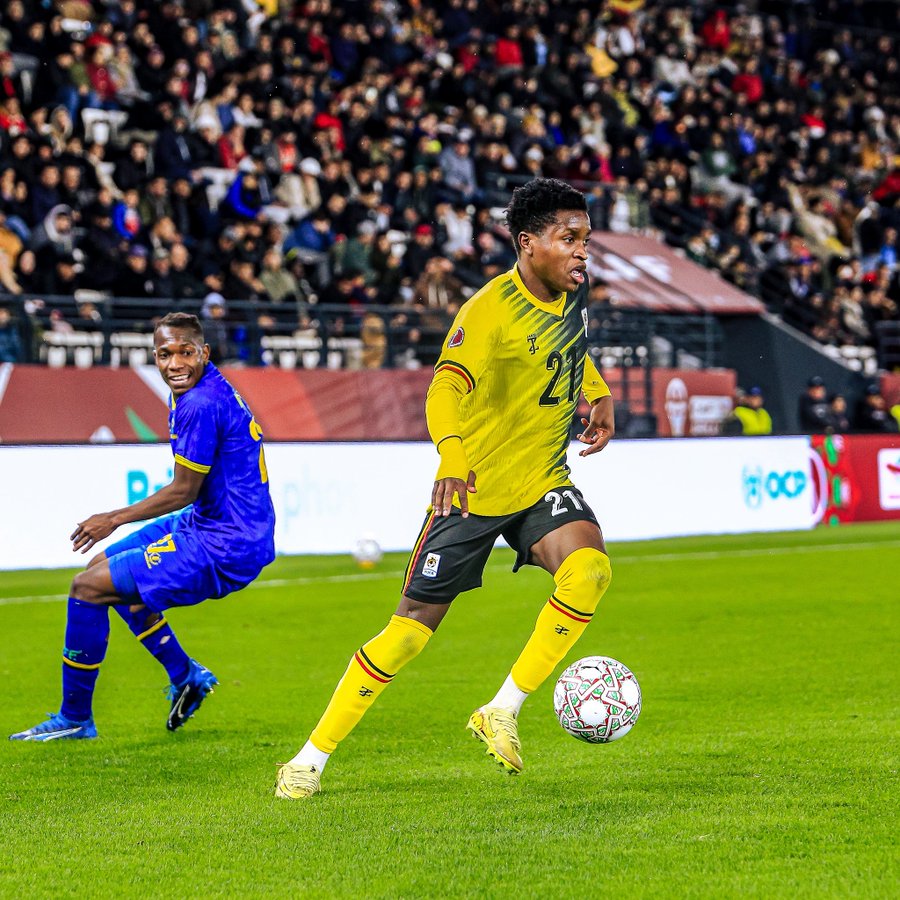
There was an underlying truth: had someone else missed that penalty, perhaps a player less beloved by the fans, the backlash could have been far harsher. Okello, though hurting, was protected by the goodwill and love he had earned from the fans.
But this didn’t mean he was immune to the sting of failure. The agony of missing such a crucial penalty would have been unbearable for anyone.
Still, there was a sense of gratitude that Okello was the one to miss, and not another player who might not have been able to weather the storm.
The Bigger Picture: A Team Unit in Crisis
It’s easy to forget that football is a collective sport. Okello may have missed the penalty, but he wasn’t alone in the task.
The Cranes’ performance wasn’t solely about one player’s mistake. It was about the collective effort that had led to that moment, Uganda’s comeback from 1-0 down to 1-1, the tireless work of players like Mubiru and Omedi as substitutes, and the overall team mentality.
After the match, coach Paul Put spoke candidly about Okello’s role in the team. “Missing a penalty is human,” Put said.
“I don’t think he steps up to take it and wants to miss it. He took his responsibility and missed, but maybe next time he’ll score and we shall all be happy.”
His words were a reminder of the importance of perspective. One missed penalty doesn’t define a player, especially when he has shown time and again that he’s capable of delivering.
The support from Onyango, Uganda’s seasoned goalkeeper, further highlighted the team’s solidarity. “He is young, and he’s learning,” Onyango said.
“If it wasn’t him, then who? It would have been someone else, but he’s been scoring these penalties, and we just need to keep him motivated.”
Okello’s penalty miss was painful, but it wasn’t the end of the world. He had been involved in the Cranes’ earlier moments of brilliance, like his involvement in the goal against Tunisia as a substitute at this particular tournament.
His performance against Tanzania had been solid; he was a constant threat in the final third, creating chances and causing problems for the Tanzanian defense.
The miss, though significant, was only a single moment in a tournament filled with highs and lows.
What’s Next: A Must-Win Clash Against Nigeria
Looking ahead, Uganda’s next game against Nigeria, already through to the Round of 16, is a must-win encounter.
Okello, like the rest of his teammates, must now focus on the bigger picture: progressing in the tournament and contributing to the team’s success.
This is the beauty and the heartbreak of football. One moment can turn the tide, but resilience, teamwork, and belief in each other will always determine the ultimate outcome.
Okello, like all great players, will rise from this setback. His talent is unquestionable, and the support from his teammates and fans will carry him forward.
The road ahead is long, and Okello’s journey is far from over. The best of him is yet to come.