







In 2008, when Ugandan football icon David Obua made the bold move from Kaizer Chiefs to Hearts FC, it marked a historic moment for Ugandan football.
His arrival in Scotland wasn’t just a career milestone; it was the beginning of a path that would lay the foundation for a new wave of Ugandan footballers in Europe.
The significance of his transfer was immense, an African talent from Uganda, a nation not often represented in the top European leagues, was about to show what Ugandan football was made of.
Obua’s journey at Hearts was nothing short of remarkable. He spent four years in Edinburgh, becoming a fan favourite and a key figure in the team.
But after leaving the club in 2012, the momentum stalled, and it would be a full decade before another Ugandan player would grace the pitch at Tynecastle Park.
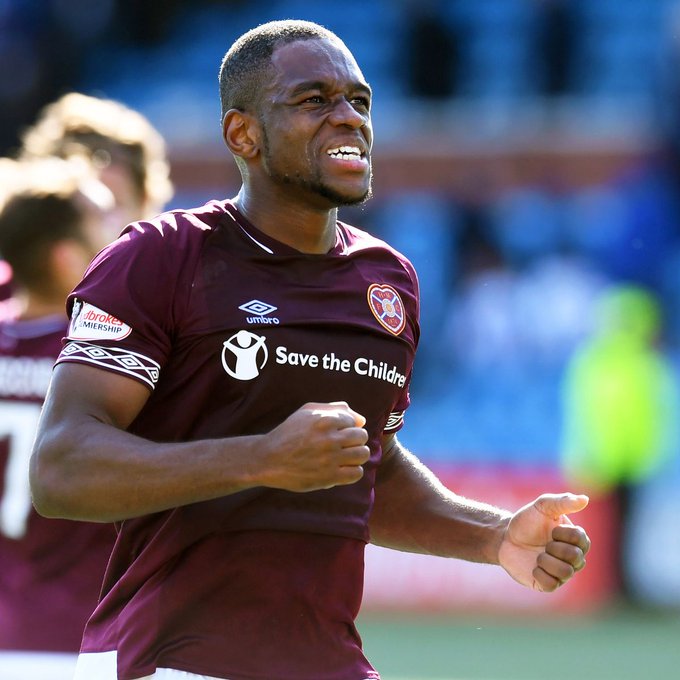
However, the groundwork had already been done, and the path Obua paved became evident when Uche Mubiru signed for Hearts in the 2018/19 season.
Mubiru, a player of dual heritage, his father being Nigerian and his mother Ugandan, was at a crossroads in his international career.
He had not yet decided which national team to represent, torn between the two countries that shared his roots.
But after some time, Mubiru made the important decision to represent Uganda, a choice that was not only momentous for his career but also for Ugandan football.
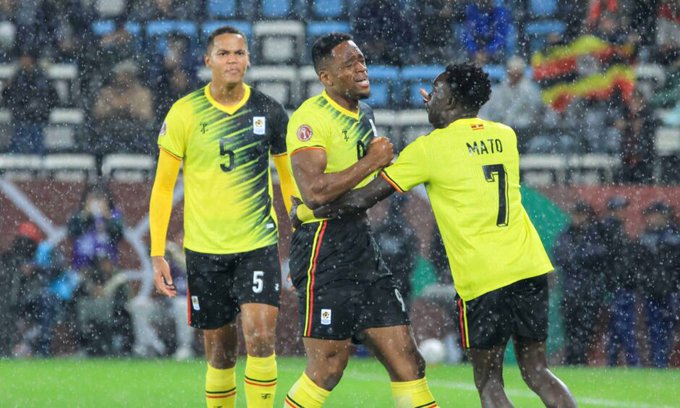
The decision paid off handsomely. Mubiru became a regular in the Uganda Cranes, earning his cap and taking part in the 2025 Africa Cup of Nations (AFCON) in Morocco, where he made headlines by scoring against Tanzania.
His time at Hearts may have been brief, but the impact was lasting.
After leaving the club in the 2020/21 season, Mubiru found a new home at St. Johnstone in the Scottish Premiership, where he continues to impress.
But Mubiru wasn’t the only Ugandan to make his mark at Hearts in recent years.
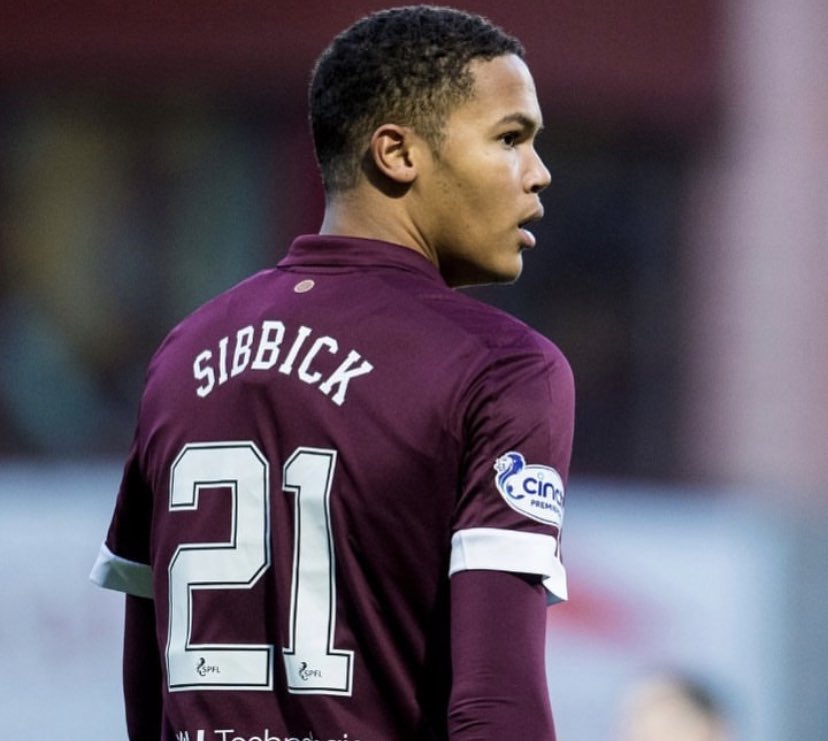
In 2021, the club signed Toby Sibbick, a defender with a similar background to Mubiru’s.
Like Mubiru, Sibbick had to navigate his heritage before fully committing to play for Uganda.
Born to Ugandan parents but raised in England, the 2024 African Cup of Nations (AFCON) player initially took his time to decide.
Once he did, Sibbick became another proud representative of Uganda on the international stage, playing a vital role in the tournament.

Sibbick’s time at Hearts was also short-lived, as he moved on to Wigan Athletic in 2024.
But his time in Edinburgh left an indelible mark, with fans in Scotland remembering him as part of the next generation of Ugandan talent to have passed through Tynecastle Park.
Today, Sibbick continues to showcase his talent at Burton Albion in the English Championship, having earned recognition as one of Uganda’s most reliable defenders.
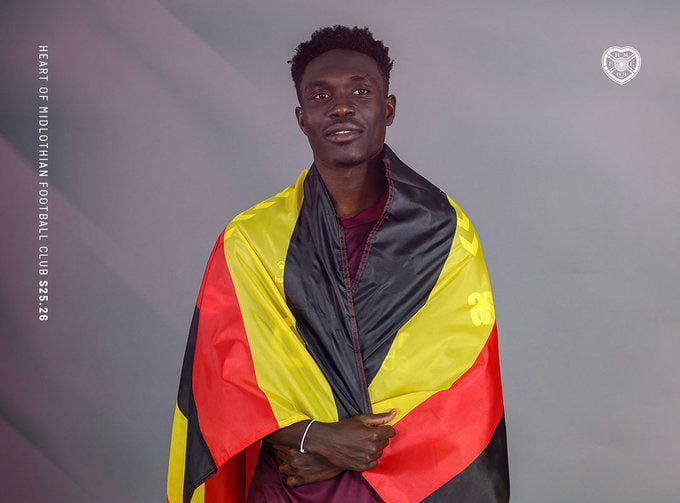
But perhaps the most exciting story coming out of Hearts is that of Rogers Mato, a player who is quickly becoming a household name in Ugandan football.
After impressing at FK Vardar in North Macedonia, Mato’s big break came in January 2026 when he signed for Hearts on a six-month loan.
This wasn’t a mere fleeting move; a deal had already been agreed for Mato to join the club permanently in July after his contract with Vardar expires.
Mato, a rising star in the Cranes setup, has already made waves at the 2025 AFCON, where his performances caught the eye of football fans and pundits alike.
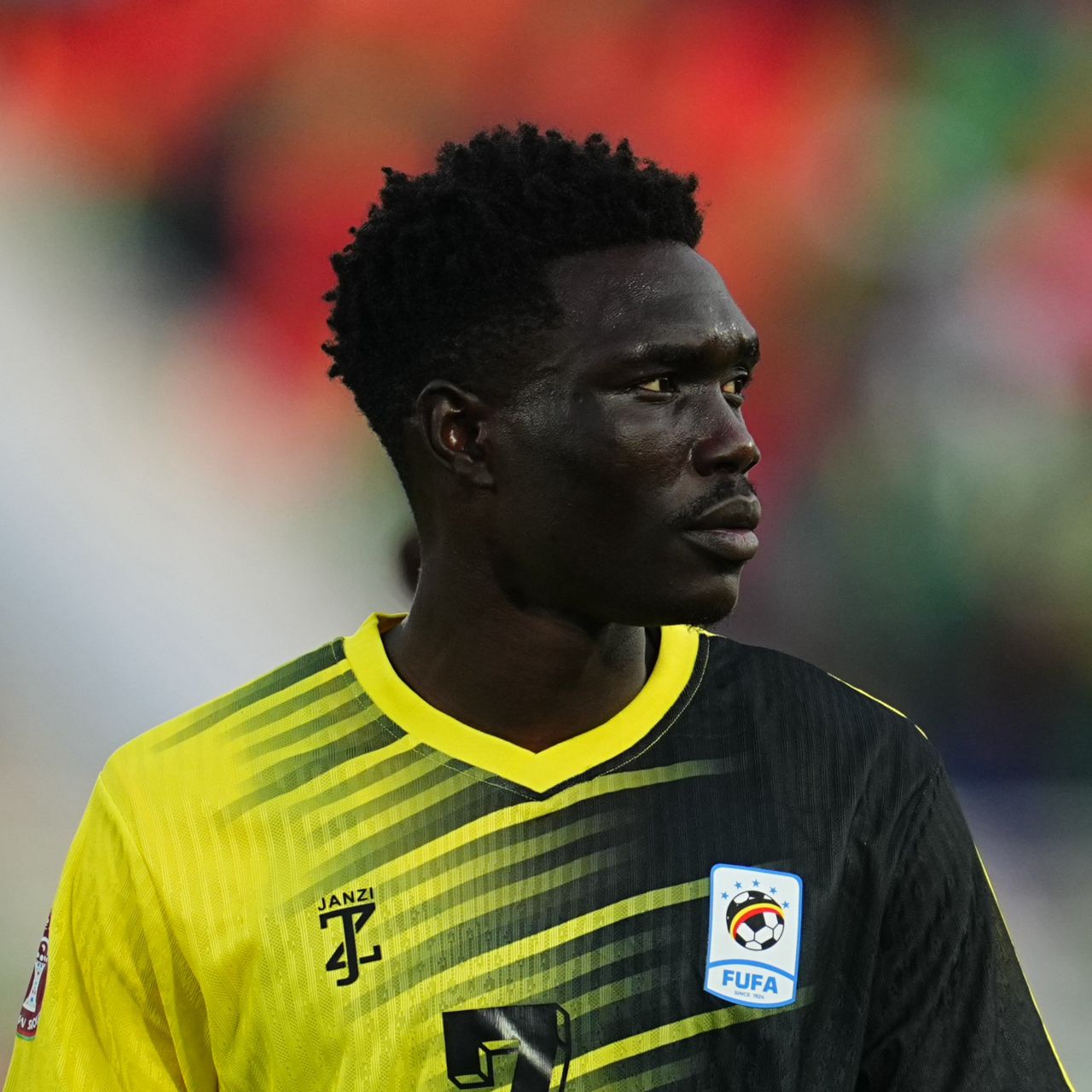
His arrival at Hearts is seen as a major coup for the club, and many believe that Mato could become a cornerstone of the team in the coming years.
For Uganda, his inclusion in the Scottish Premiership is another testament to the growing presence of Ugandan footballers in European leagues.
From David Obua’s groundbreaking move to the current influx of young stars like Mubiru, Sibbick, and Mato, Hearts FC has established itself as a significant home for Ugandan talent.
It’s more than just a club; it’s become a symbol of hope and opportunity for Ugandan players looking to make their mark on the European football scene.
As the Cranes continue to rise on the continental stage, it’s clear that the legacy of David Obua lives on.
What once began as a trailblazing move in 2008 has blossomed into a thriving pathway for future generations of Ugandan footballers.
And with players like Mato now taking center stage, the heart of Ugandan football beats stronger than ever in the heart of Scotland.
Hearts may be located in Edinburgh, but it’s become a true home for Ugandan football talent, a place where dreams are realized, and history is made.