






The Source of the Nile Half Marathon recorded its lowest athlete turnout in 2026, raising concern among athletics stakeholders about participation levels in one of the country’s established road races.
The decline has triggered debate about whether financial incentives, athlete welfare, or training conditions are affecting interest in the event.
Some runners point to relatively modest prize money, arguing that preparing for competitive races demands significant spending on training, medical support, nutrition, and travel, costs they feel may not be adequately covered by available rewards.
The leadership of Uganda Athletics believes the explanation may be broader than finances alone.
Vice President Lawrence Kavuma said, “The amount of money may also be an issue, but that is something that can be considered later. Usually, the prize money has been low but when it comes to athletes not turning up in big numbers, the issue could be in their camps.”
Despite the reduced field, organisers maintain the race remains a valuable competitive platform within Uganda, helping athletes test speed, sharpen endurance, and improve times ahead of international championships.
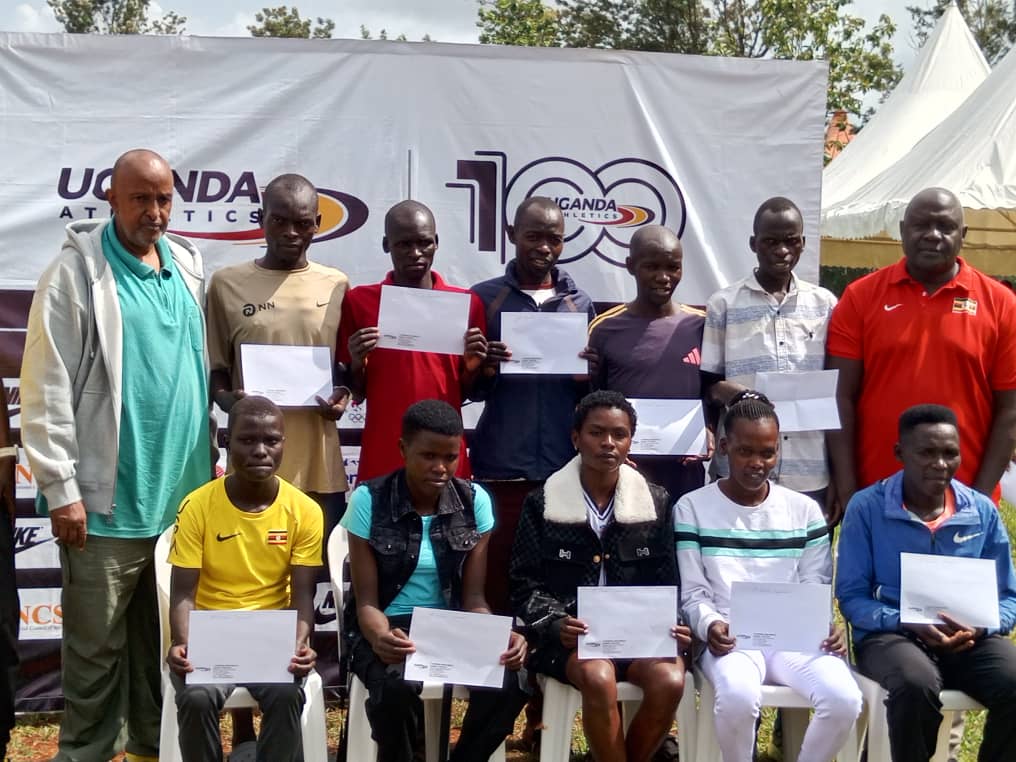
More than eleven million shillings in total prize money was awarded to the top five finishers in both the men’s and women’s categories, reflecting continued efforts to sustain competitive athletics even amid participation concerns.