







By Daniel Nyeko
In the world of international sports, a stadium is only as good as its adherence to technical statutes.
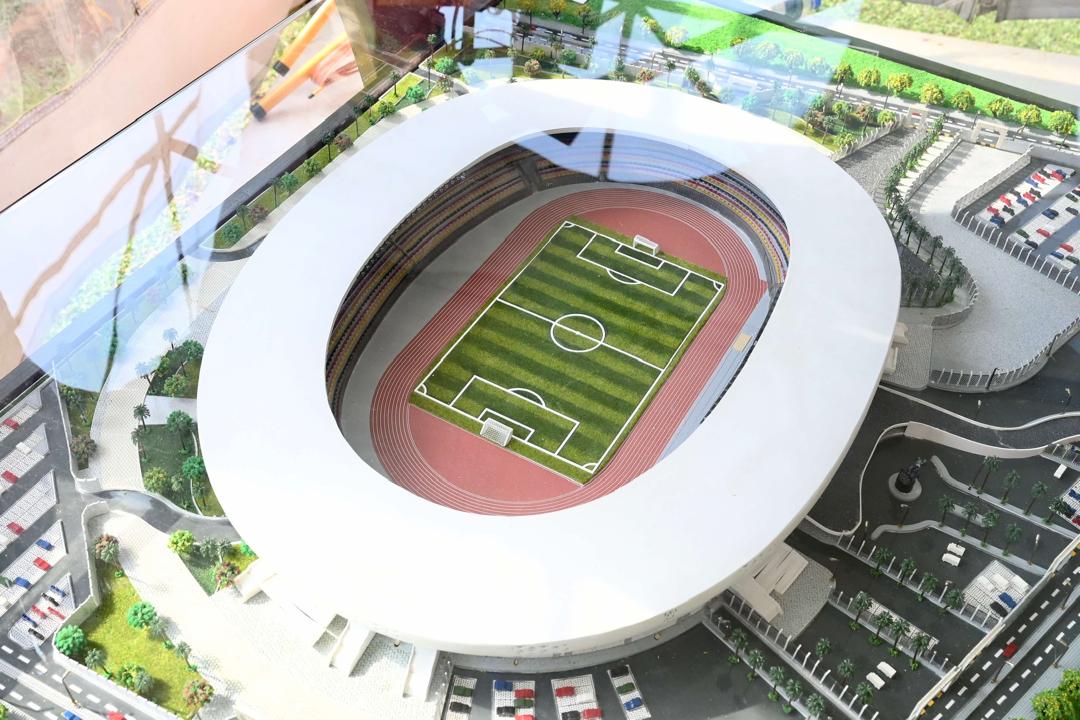
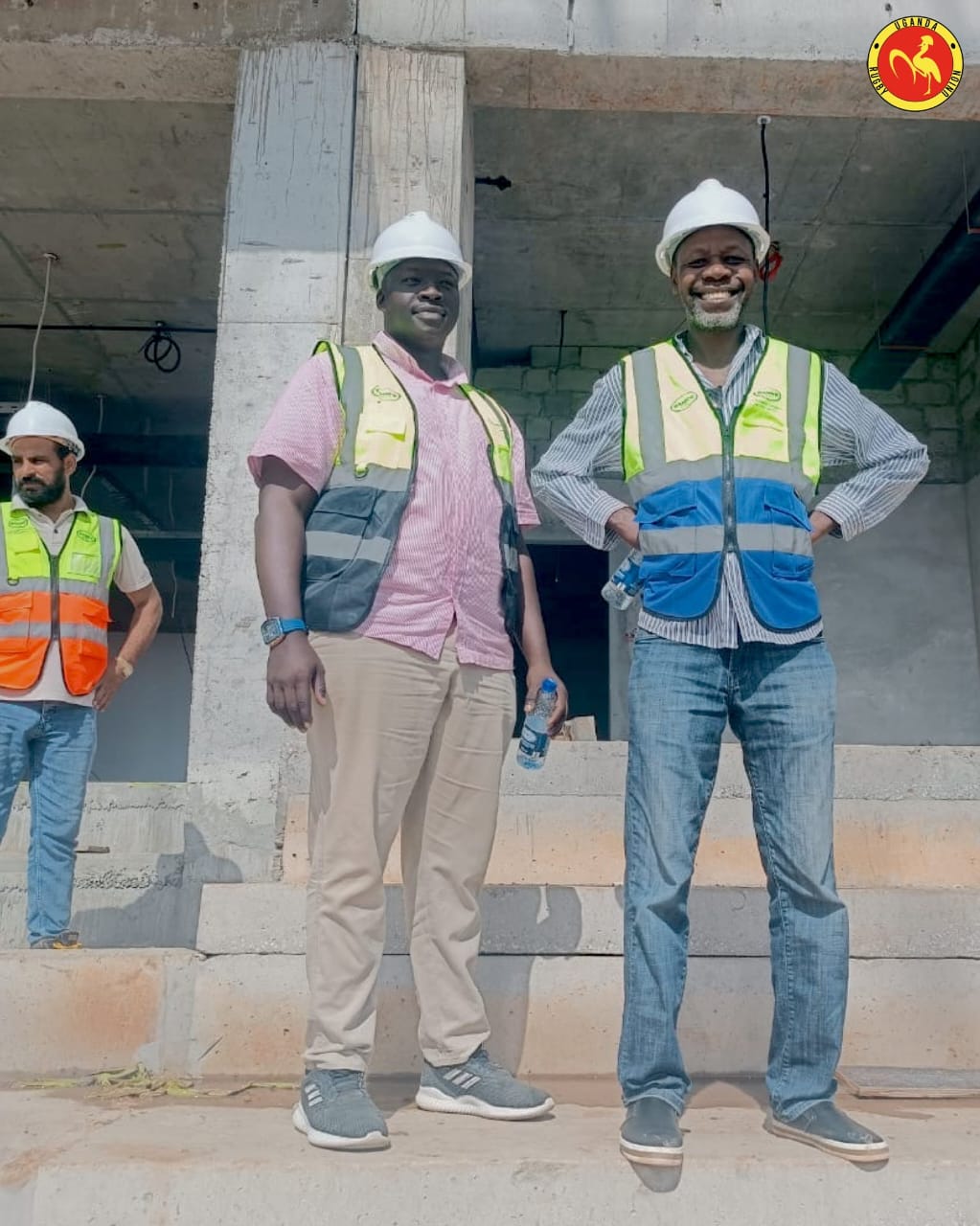
The recent visit by Uganda Rugby officials, led by URU CTO Ramsey Olinga, to the Akii Bua Olympic Stadium construction site in Lira City was not merely a ceremonial tour.
It was a rigorous technical inspection aimed at ensuring the facility aligns with World Rugby Law 1.
As Uganda moves to diversify its sporting infrastructure, the precision of the field of play has become a non negotiable benchmark for success.
The Geometry of the Game
World Rugby Law 1 dictates the precise requirements for a pitch to be certified for international test games. The URU delegation emphasized that for Akii Bua to host global powerhouses, the dimensions must be exact.
In accordance with the law, the field of play, the area between the goal lines, should ideally measure 100 metres in length and 70 metres in width. Furthermore, the in goal areas, the space where tries are scored, must be between 6 and 22 metres deep.
Any deviation from these metrics does not only hinder the tactical flow of the game, it also risks the stadium being disqualified from the World Rugby calendar before the first whistle is blown.
Safety and Perimeter “Run Off”
Beyond the white lines, Law 1 also focuses heavily on player welfare through the requirement of a perimeter area. Since Akii Bua will be a multi purpose facility, where an athletics track typically surrounds the pitch, the run off zone becomes highly significant.
World Rugby mandates a minimum of 3.5 metres, ideally 5 metres, of unobstructed space beyond the touch lines and dead ball lines. This zone must be free of concrete drainage, perimeter fences, or hard track surfaces.
The URU intervention is meant to ensure that the transition between the grass pitch and the surrounding track is engineered carefully to prevent high impact injuries that can occur when elite athletes are forced into touch at high speed.
Building a Multi Sport Legacy
The Akii Bua Olympic Stadium is a vital component of Uganda’s AFCON 2027 vision, but it must extend beyond football.
By integrating World Rugby Law 1 into the ongoing construction phase, project managers are ensuring that Lira becomes a multi disciplinary hub capable of hosting continental rugby championships.
The commitment from contractors to harmonize the blueprints with these international standards is a victory for Ugandan sport.
It shows that with the right oversight, local infrastructure can meet the rigorous standards seen at the great cathedrals of rugby such as Twickenham in London, Eden Park in Auckland, and Ellis Park in Johannesburg.
Precision is the bedrock of professionalization. The vigilance shown by the Uganda Rugby Union at Akii Bua sets a new standard for how national federations should collaborate with sports infrastructure developers.
By measuring twice and pouring once, stakeholders are ensuring that Akii Bua Olympic Stadium lives up to its name. The aim is a modern world class facility where the laws of the game are respected and athlete safety is guaranteed.
The writer is a sports enthusiast, finance specialist, and a budding sports journalist.