






The schedule for the FIFA Series 2026 has been revised, bringing an exciting update with the addition of a fourth women’s group to be hosted in Kenya.
This change follows the inclusion of four more women’s national teams and some unexpected adjustments to the men’s fixtures, further strengthening what is already shaping up to be a major global football event.
Building on the success of its 2024 debut, the tournament will now feature 50 men’s and women’s national teams competing in 13 groups across 12 host countries from all six continents, with 53 matches scheduled between 25 and 31 March for the men and 9 to 18 April for the women, offering teams a valuable chance to face opponents from different regions under the global spotlight.
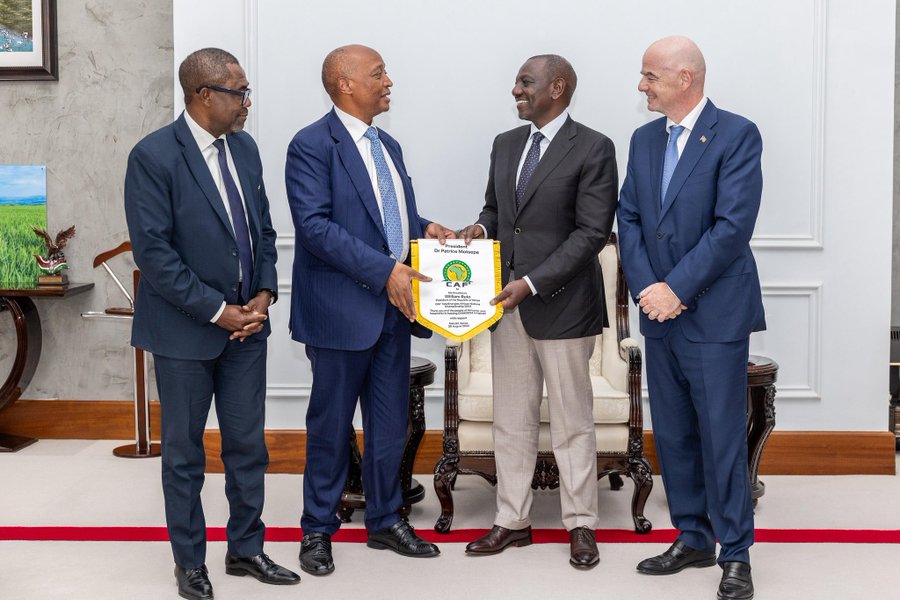
The biggest highlight of the revised schedule is Kenya’s new role as a host, with matches set to take place at the Nyayo National Stadium in Nairobi.
The Harambee Starlets will welcome Australia, India and Malawi in a competitive group that will see Kenya face India after Australia take on Malawi on 11 April, before the tournament concludes with a third-place match and final four days later.
The other women’s groups will be staged in Brazil, which is preparing to host the FIFA Women’s World Cup 2027, as well as in Côte d’Ivoire and Thailand.
On the men’s side, the schedule has been slightly adjusted due to the withdrawal of Kuwait and Oman. In Azerbaijan, the host nation will now play Saint Lucia on 27 March and Sierra Leone on 30 March, while in Kazakhstan a three-team format will feature the hosts alongside Comoros and Namibia, with matches set for 25, 28 and 31 March.
Fixtures in other host nations, including Australia, Indonesia, New Zealand, Puerto Rico, Rwanda and Uzbekistan remain unchanged.
The FIFA Series continues to play an important role in developing the global game by bringing together both established teams and emerging nations, helping them gain experience in high-level international competition.
Five teams taking part in the men’s tournament — Australia, Cabo Verde, Curaçao, New Zealand and Uzbekistan — have already qualified for the FIFA World Cup 2026, adding further quality to the competition.
Beyond the matches themselves, the tournament also supports growth off the pitch by giving host countries and participating teams valuable experience in event organisation, refereeing and tournament planning, while global broadcasts will ensure fans around the world can follow the action as the FIFA Series 2026 continues to expand its impact.