





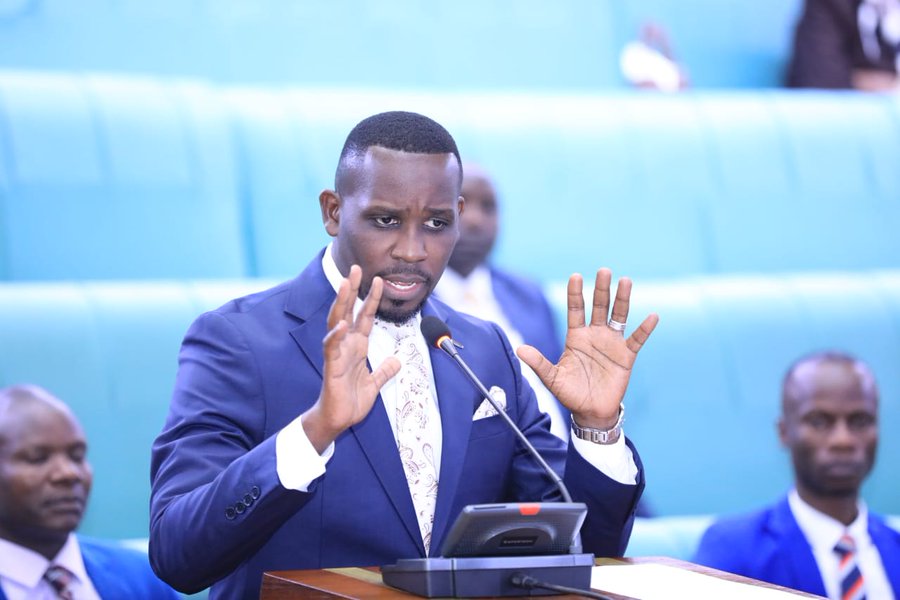
Uganda’s readiness to co-host the Africa Cup of Nations (AFCON) 2027 has come under sharp scrutiny after Leader of Opposition Joel Ssenyonyi questioned the government’s infrastructure strategy, warning that the country risks falling short of Confederation of African Football (CAF) standards.
Speaking during parliamentary proceedings, Ssenyonyi criticized the government’s heavy reliance on constructing new stadiums instead of upgrading existing facilities. He argued that Uganda’s co-hosts, particularly Tanzania, are prioritizing renovations—a model he described as more efficient and cost-effective.
“We risk disappointing Ugandans if we fail to meet the required standards despite the heavy investment,” Ssenyonyi stressed.
His concerns were amplified by CAF’s recent assessment report, which flagged several facilities—including the newly completed Hoima Stadium—for failing to meet international benchmarks. Ssenyonyi demanded accountability for the billions of shillings being poured into new projects, urging Parliament to adopt clear construction guidelines aligned with CAF requirements. He recommended standardized templates for engineers to avoid costly redesigns and substandard work.
The opposition leader warned that continued mismanagement could lead to wastage of taxpayers’ money and potentially deny Ugandan fans the chance to witness AFCON matches on home soil.
In response, Prime Minister Robinah Nabbanja assured legislators that Uganda remains firmly on course to host the tournament. She revealed that Cabinet had reviewed CAF’s report and instituted measures to address gaps.
“Cabinet discussed the Confederation of African Football report and we have put in place all the necessary requirements to have Uganda host AFCON. We are ready and moving very well,” Nabbanja said.
However, Ssenyonyi dismissed the Prime Minister’s remarks as generic, insisting that Parliament deserves a transparent, detailed update on the status of all stadiums. He emphasized that only full disclosure will confirm whether Uganda can meet CAF’s benchmarks in time.