






Uganda has intensified preparations to bridge accommodation gaps flagged ahead of the AFCON 2027, with FUFA President Moses Magogo expressing confidence after inspecting hotel development projects in Hoima and Masindi.
Magogo toured several hospitality sites in the region and reported encouraging momentum in both new developments and ongoing upgrades, even as he acknowledged that significant work remains before completion.
“I am excited with the energy levels in Hoima and Masindi about the hotels for AFCON 2027,” Magogo said. “Whereas there is so much to be done to complete the works, it is a fact that it is doable.”
He said government backing has played a key role in unlocking private investment, with concessional loans made available to developers to fast-track construction and renovations. The programme is being supported by the Government of Uganda as part of wider readiness efforts.
Magogo also revealed that 12 sites are currently under development across the Hoima region to help close the accommodation gap identified during inspections by the Confederation of African Football. The projects include both new builds and expansions aimed at increasing capacity for teams, officials, media, and visitors expected during the tournament.
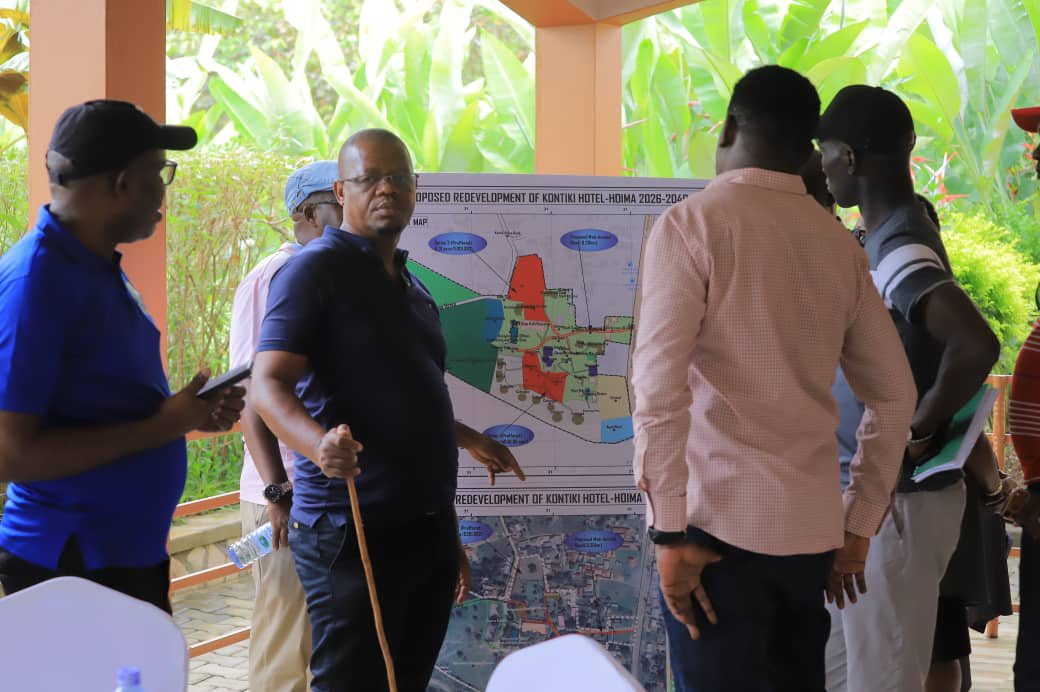
Among the facilities inspected was Kontiki Hotel, which is being redeveloped into a five-star property. Once complete, it is expected to serve as one of the key hospitality venues for high-profile delegations during the tournament.
Magogo further noted that a CAF consultant will join the local organising team in Hoima to provide technical guidance on hospitality standards and overall readiness, signalling closer oversight of Uganda’s preparations.
He described the developments as a sign that plans are moving from planning into execution.
“The dream turning into a reality,” he said.
Uganda, which is co-hosting AFCON 2027 alongside Kenya and Tanzania, continues to face scrutiny over infrastructure readiness, with hospitality capacity seen as a major benchmark ahead of upcoming CAF assessments.
Despite visible progress, organisers still face tight timelines to complete construction, secure certifications, and ensure that accommodation facilities meet CAF requirements before final inspections.