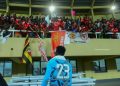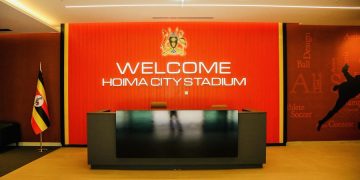








The three problems that haunt many major projects in Uganda are corruption, delays and poor workmanship.
What makes the Hoima City Stadium project remarkable is that it has avoided all three. Work on the stadium and the adjoining indoor arena began in August 2024 and was completed in October 2025, taking just 14 months at a cost of about 130 million US dollars.
By comparison, Namboole Stadium, which does not include an indoor arena, was built between April 1993 and February 1997, a period of four years.
It is true that Namboole is larger, holding about 45,000 spectators compared to Hoima’s 20,000. But when you factor in the separate 2,000 seat indoor arena next to the Hoima facility, the efficiency and speed of the Hoima project becomes even clearer.
This achievement would not be complete without acknowledging the work of the Sports Minister, Hon. Peter Ogwang, who is widely known for his firm stance against corruption.
He inspected the site frequently and his presence served as a constant reminder of the need for discipline and efficiency. Credit also goes to Summa, the Turkish construction firm recognised for its speed and quality.
Hoima Stadium is part of Uganda’s preparation for hosting the Africa Cup of Nations in 2027 alongside Kenya and Tanzania. Its completion almost two years before the tournament is unusual in a country where project delays are common.
The hope is that this success strengthens the growing admiration for the sports sector, which is now promoting Uganda abroad more effectively than many other parts of the economy.
For years, many Ugandans dismissed sports as simple entertainment, yet it has become one of the most lucrative industries in the world.
Football, basketball, table tennis, tennis, motorsport and swimming athletes across the globe now earn hundreds of thousands of dollars annually. The combination of that financial potential and the example set by the Hoima project should encourage more Ugandans to embrace sports or at least stop discouraging their children from pursuing it.
Sport also stands out because success cannot be achieved without hard work. This is another reason it resists corruption. It explains why a disciplined athlete like Joshua Cheptegei continues to dominate long distance running. No amount of dishonesty can help an athlete beat a genuinely hardworking competitor, and that is part of sport’s appeal.
To ensure Hoima’s new facilities thrive, a strong marketing committee should be established so the stadium and arena remain active and generate their own income.
One of the problems with Namboole was that although it had a board, it lacked a dedicated marketing team. Facilities of this scale cannot operate effectively without serious attention to marketing.
Preventing the Hoima projects from becoming white elephants will also require better funding for national sports federations. These federations are the ones that can bring regular competitions to the stadium and arena.
If they remain underfunded, there will be fewer events, and the facilities will struggle to stay active and sustainable.
The writer is a Bush Lawyer, former President of the Uganda Table Tennis Association, and Secretary General of the Union of Uganda Sports Federations and Associations.