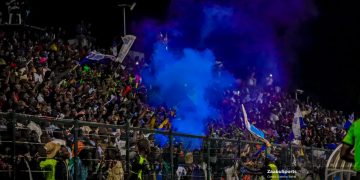






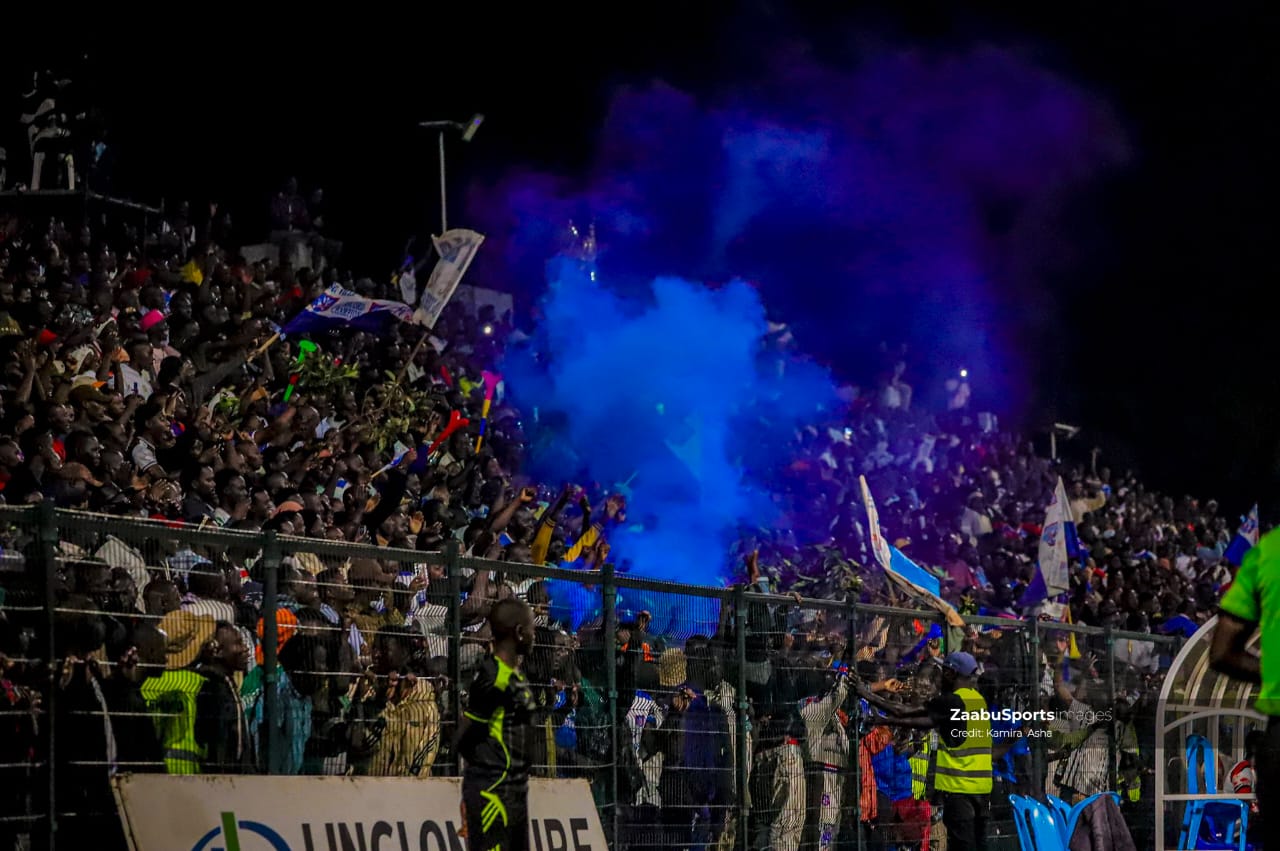
Stadium attendance across the Uganda Premier League has risen sharply in the 2025/26 season, with packed venues becoming a regular feature of high-profile fixtures, reflecting a broader shift in how the domestic game is organised and experienced.
The most immediate driver has been the return to the traditional home-and-away format. Its reinstatement has restored the local identity of clubs, allowing fans to reconnect with teams in their own communities.
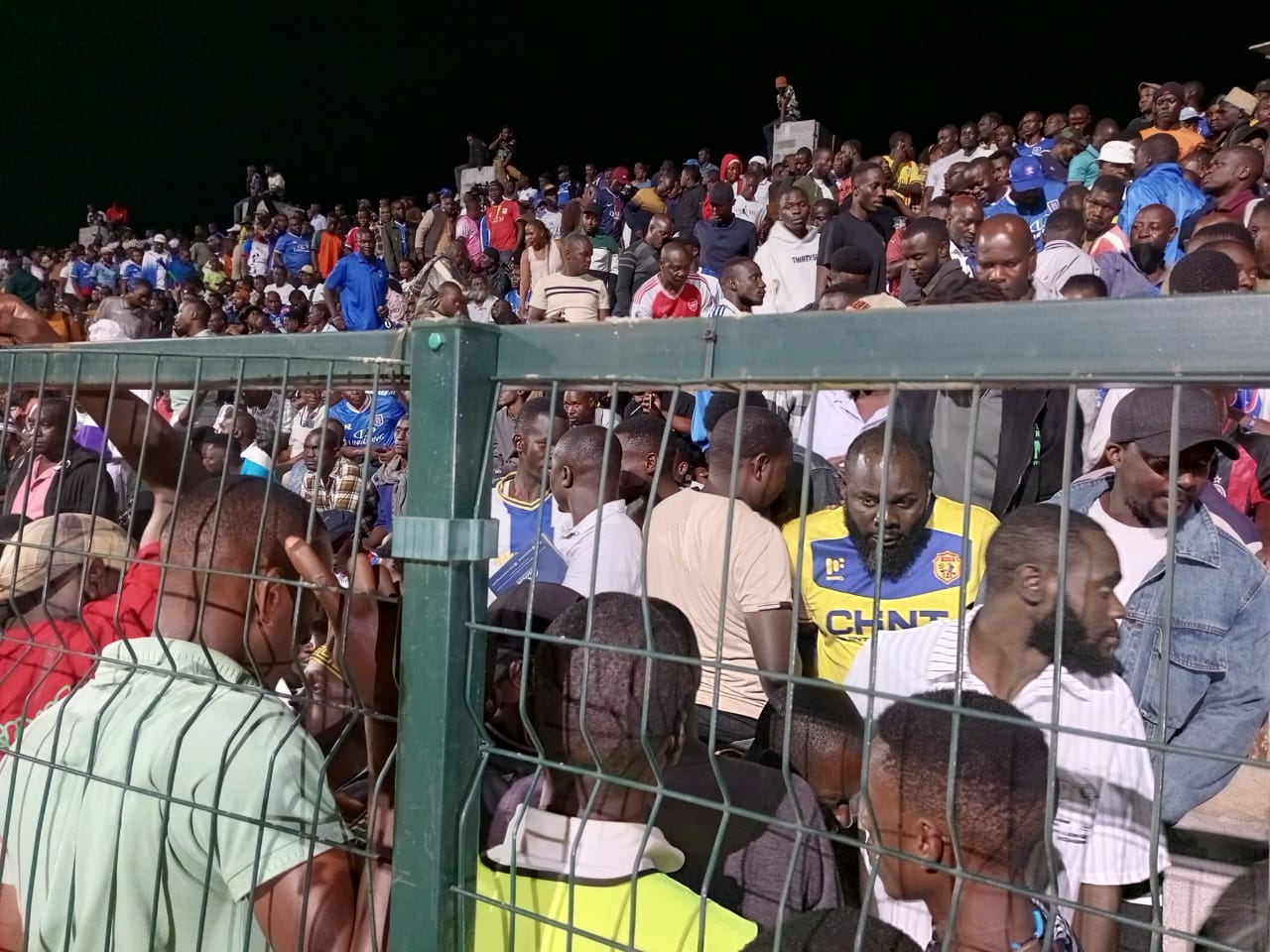
That change has been particularly visible in Kampala, where SC Villa’s matches against KCCA and Vipers at FUFA Kadiba have drawn capacity crowds, with the latter fixture ending 1-1 in an atmosphere that underlined the scale of renewed interest.
The effect is not limited to the capital. In Hoima, more than 20,000 fans attended the Bunyoro Kitara regional derby between Kitara and Buhimba United Saints, highlighting the league’s growing geographical pull.
The emergence of new venues such as Hoima City Stadium, built with a capacity to match that demand, points to a wider shift as infrastructure improvements tied to preparations for AFCON 2027 begin to influence domestic football.
Scheduling has also played a role. Many of the league’s biggest fixtures are now staged in the evening, a move that aligns better with fan availability and has contributed to higher turnout. Night games at venues like St Mary’s Stadium, Kitende, including Vipers’ meetings with Kitara, have benefited from this adjustment, combining accessibility with improved matchday experience.
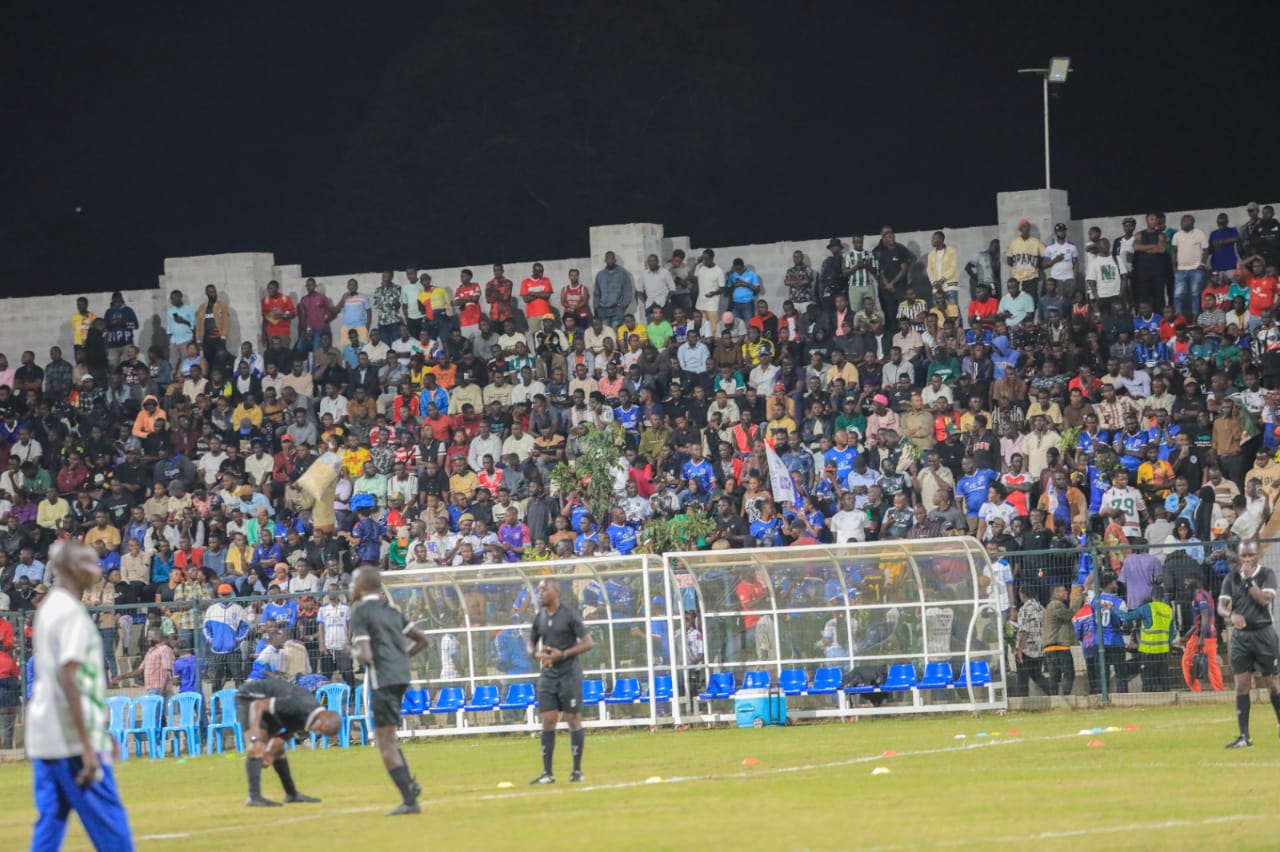
Affordability has further accelerated the trend. Ticket prices for marquee fixtures, including SC Villa against KCCA and Vipers, were reduced from Shs10,000 to Shs5,000 for ordinary entry, lowering the barrier for attendance and encouraging larger, more diverse crowds.
The pricing shift has been particularly effective when paired with high-stakes matches, where demand is already strong.
Matchday conditions have also improved. Better security, more reliable organisation and enhanced stadium environments have reduced long-standing barriers to attendance. For many fans, attending matches is increasingly a social experience, contributing to consistent crowd growth beyond just headline fixtures.
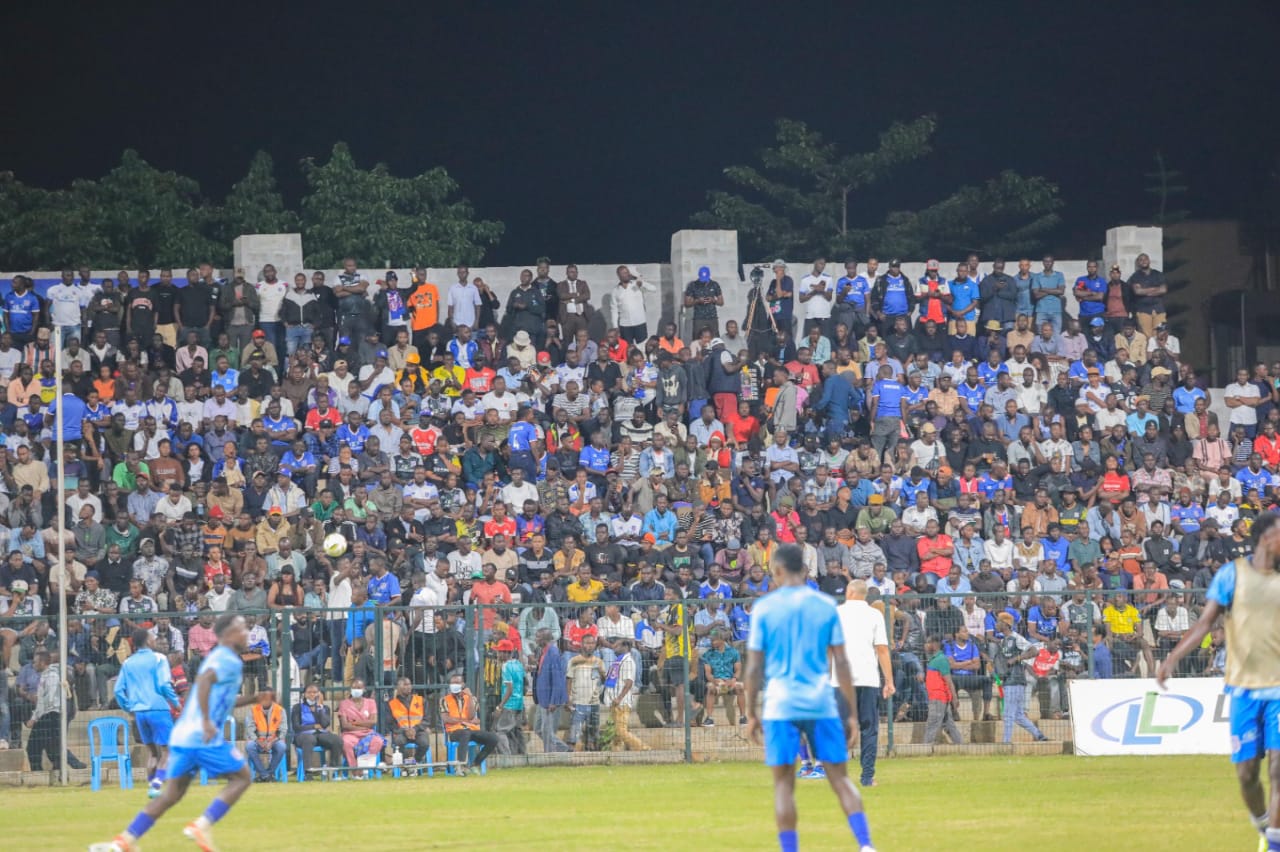
High-profile rivalries remain a central pillar. Traditional derbies and competitive title races continue to act as natural accelerators for attendance, but the key shift in the current season is that even fixtures outside the biggest matchups are benefiting from the improved ecosystem.
The resurgence of UPL attendance is therefore not the result of a single intervention but a convergence of structural reform, economic accessibility and enduring fan loyalty.
If current trends in infrastructure, pricing and league management are sustained, the domestic game appears positioned to maintain, and potentially expand, its growing connection with supporters.