





For all the near misses, landmark wins and long waits, it is resilience that has come to define Uganda’s national team across 100 years of international football.
From a 1–1 draw against Kenya on 1 May 1926 to preparing to co-host the Africa Cup of Nations in 2027, the Uganda Cranes’ story is one shaped as much by persistence as it is by peaks. Along the way, they have built a record that stretches across generations, regions and competitions, often competing beyond expectation even when ultimate prizes remained out of reach.
As the Cranes mark a century since that first competitive match, the numbers, milestones and moments offer a detailed portrait of how Uganda’s game has evolved and where it may yet go.
From Nairobi beginnings to continental contenders
Uganda’s international journey began with a draw, but it did not take long for the team to find its footing on the continental stage. Their first Africa Cup of Nations appearance came in 1962, where they reached the semi-finals before falling to the United Arab Republic.
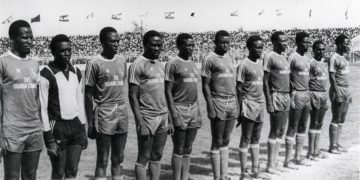
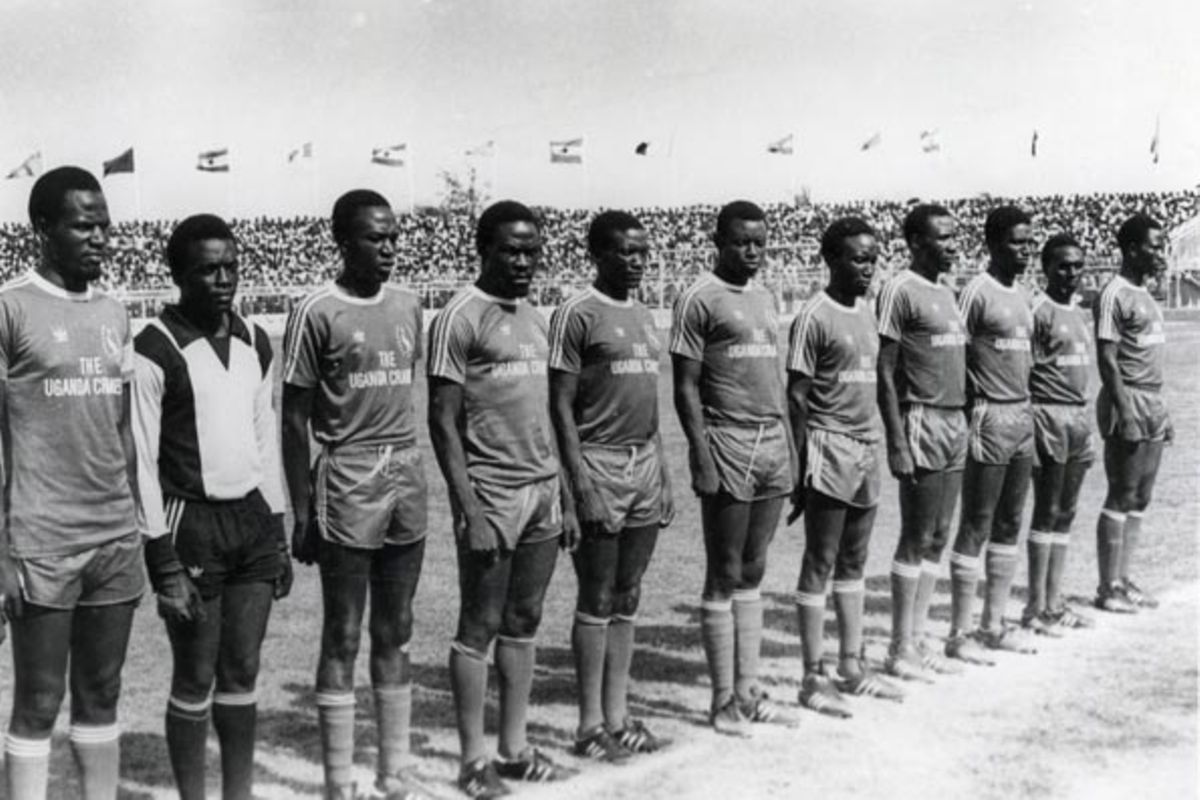
That early promise found its peak in 1978. Uganda’s run to the AFCON final included a semi-final victory over Nigeria, one of the standout results in the country’s football history. The campaign ended with a 2–0 defeat to Ghana in the final, but the runners-up finish remains the closest the Cranes have come to continental glory.
Across eight AFCON appearances, that tournament still stands apart, both as a benchmark and a reminder of what has proved difficult to replicate.
Long waits and a modern return
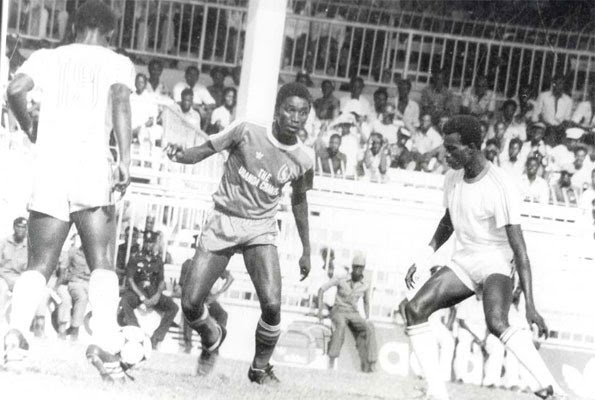
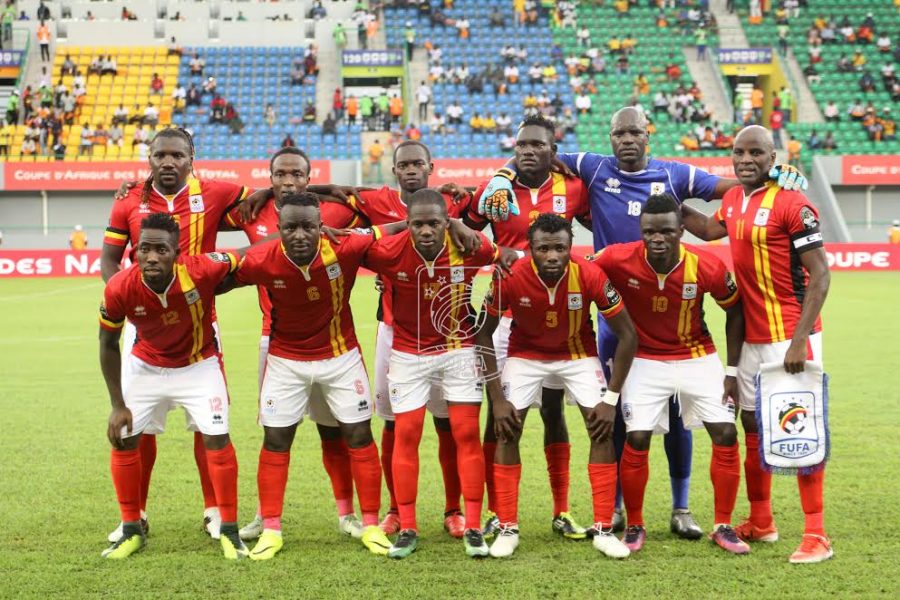
For decades after 1978, Uganda’s story at AFCON was defined by absence. Qualification campaigns repeatedly fell short until 2017, when the Cranes returned to the tournament after a 39-year gap.
That qualification marked a shift. Two years later, Uganda secured a 2–0 win over DR Congo, their first AFCON victory in 41 years, before exiting in the round of 16 against Senegal.
The revival has extended beyond AFCON. In World Cup qualifying, Uganda have produced results that underline their competitiveness, including a victory over Egypt in 2017. Their 2026 campaign featured wins against Guinea, Somalia, Botswana and Mozambique.
Kings of the region
While continental success has been limited, Uganda’s dominance in East Africa is clear.
The Cranes have won the CECAFA Cup 15 times between 1973 and 2019, more than any other side in the competition’s history. That consistency has made them a regional reference point, even during periods when continental qualification proved elusive.
Their record reflects a pattern seen across their history: strong performances within their immediate competitive environment, with tougher returns against Africa’s traditional heavyweights.
| Opponent | Played | Won | Drawn | Lost | Goal Diff. |
| Kenya |
55
|
19
|
26
|
11
|
+4
|
| Tanzania |
62
|
33
|
18
|
11
|
+45
|
| Rwanda |
35
|
15
|
11
|
9
|
+17
|
| Sudan |
24
|
12
|
8
|
4
|
+15
|
The numbers behind the badge
Across a century of football, individual records offer another way to trace Uganda’s evolution.
Godfrey Walusimbi leads the all-time appearances list with 105 caps, a marker of longevity in a national side that has seen multiple transitions. Emmanuel Okwi remains the leading scorer with 28 goals, while Denis Onyango’s 87 caps underline his role as one of the country’s most influential players, particularly given his success at club level across Africa.
| Rank | Player | Caps | Career Span |
| 1 | Godfrey Walusimbi |
105
|
2009–2019
|
| 2 | Emmanuel Okwi |
95
|
2009–2023
|
| 3 | Simeon Masaba |
88
|
2002–2013
|
| 4 | Denis Onyango |
87
|
2005–Present
|
Majid Musisi’s return of 20 goals in 29 matches, an average of 0.69 per game, stands out for its efficiency, even across different eras of competition.
The current side is led by Captain Khalid Aucho, whose experience anchors a squad that now blends established internationals with emerging talent.
| Rank | Player | Goals | Caps | Ratio |
| 1 | Emmanuel Okwi |
28
|
95
|
0.29
|
| 2 | Farouk Miya |
23
|
79
|
0.29
|
| 3 | Geoffrey Massa |
22
|
72
|
0.31
|
| 4 | Majid Musisi |
20
|
29
|
0.69
|
Where Uganda have thrived, and where they have struggled
Uganda’s results across Africa reveal clear patterns.
They have held a strong record against several regional opponents, including Burundi and Botswana, where victories have been frequent across multiple meetings.
Against established continental powers, however, results have been harder to secure. Limited success against sides such as Algeria and Cameroon reflects the broader gap that has defined Uganda’s place within African football’s hierarchy.
That contrast mirrors their overall trajectory: competitive, capable of isolated standout results, but still searching for sustained success at the highest level.
| Competition | Appearances | Best Result |
| Africa Cup of Nations (AFCON) |
8
|
Runners-up (1978)
|
| CECAFA Cup |
38
|
Champions (15 times)
|
| African Nations Championship (CHAN) |
7
|
Quarter-finals (2024)
|
| Gossage Cup / Challenge Cup |
Historical
|
Champions (25 times)
|
Namboole and the meaning of home
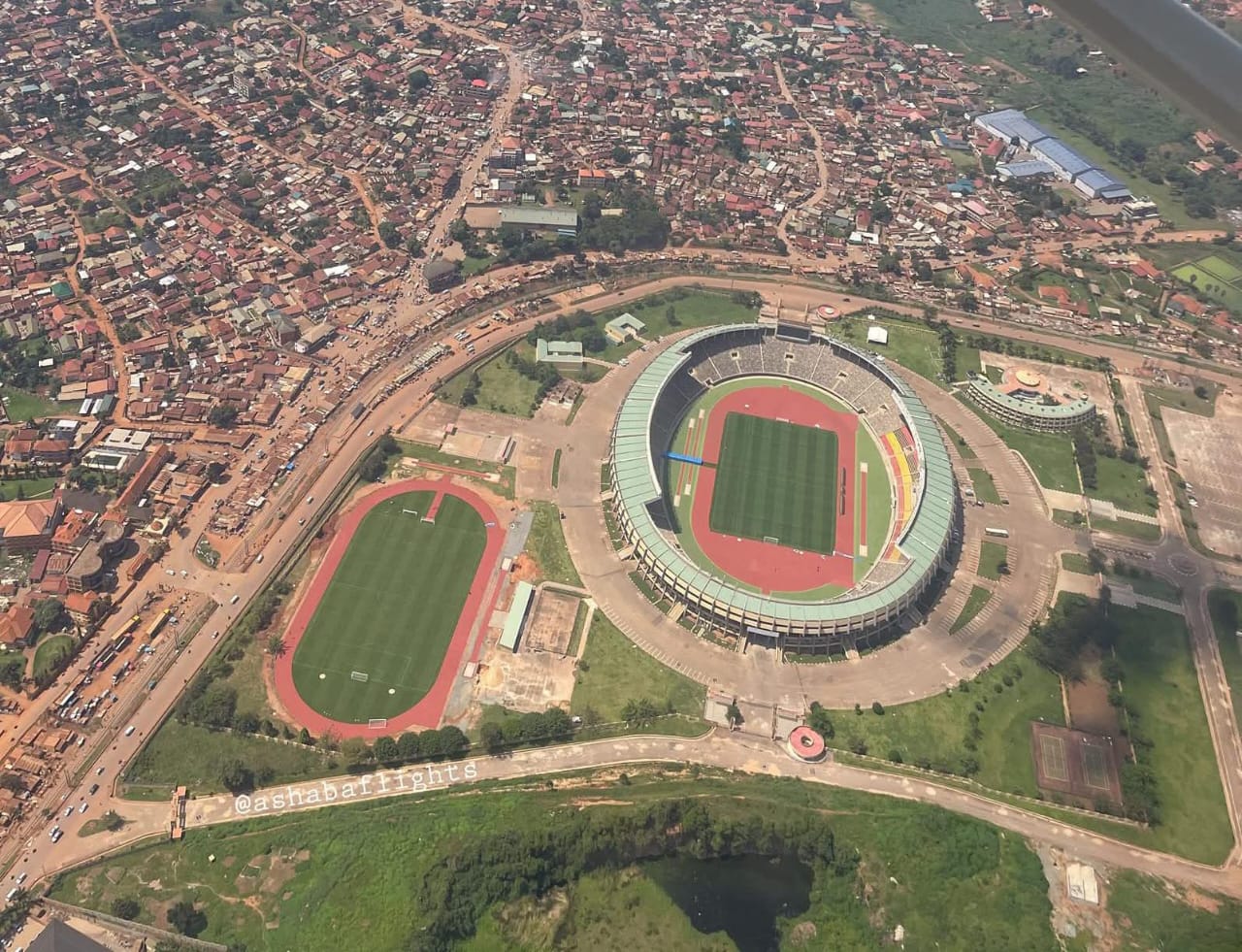
For much of the modern era, the Mandela National Stadium at Namboole has served as Uganda’s home ground and a central part of the team’s identity.
The stadium’s temporary closure in 2020, after being deemed unsuitable for international matches, disrupted that continuity. Its subsequent redevelopment by the UPDF Engineering Brigade has restored it to international standards, with upgrades that extend beyond the pitch itself.
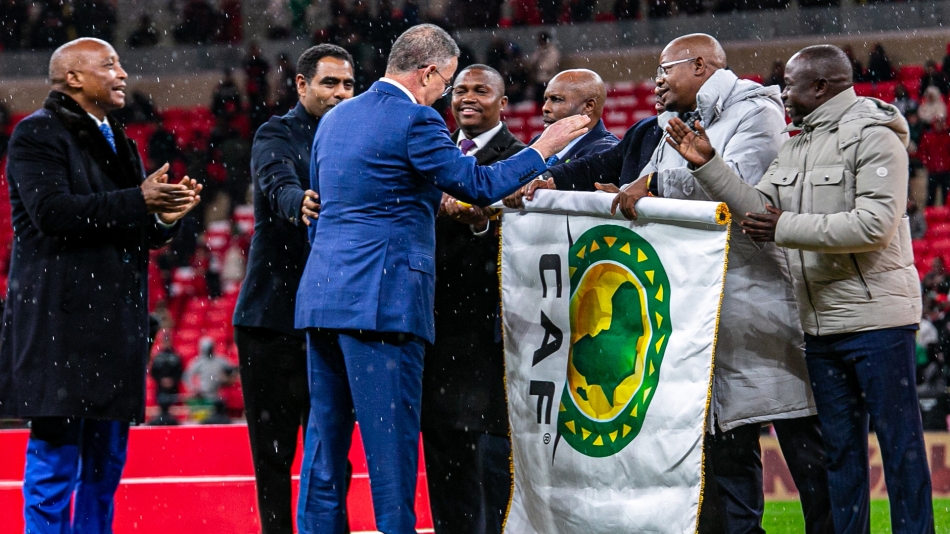
Those renovations are central to Uganda’s role as co-hosts of the 2027 Africa Cup of Nations, a tournament that will bring the continent’s biggest competition back to East Africa.
A century that leads to a tournament
If the first 100 years of Uganda Cranes’ history are defined by resilience and intermittent breakthroughs, the next chapter begins with a different kind of opportunity.
Hosting AFCON in 2027 will place Uganda not just as participants, but as central figures in the tournament’s organisation and atmosphere. It offers a rare chance to combine home advantage with a generation of players still establishing themselves at international level.
That group includes emerging names such as Travis Mutyaba, Allan Okello and Rogers Mato, players expected to shape the team in the coming years.
The search for the next milestone
From a draw in Nairobi in 1926 to a continental final in 1978, from decades of absence to a return in 2017, Uganda’s history has rarely followed a straight line.
The absence of a major title remains the defining gap in their record, but the consistency of their presence, both regionally and increasingly on the continental stage, offers a different measure of success.
As they mark 100 years, the question is no longer only about what the Cranes have been, but what they can become, especially with a home AFCON on the horizon and a World Cup place still within reach.