






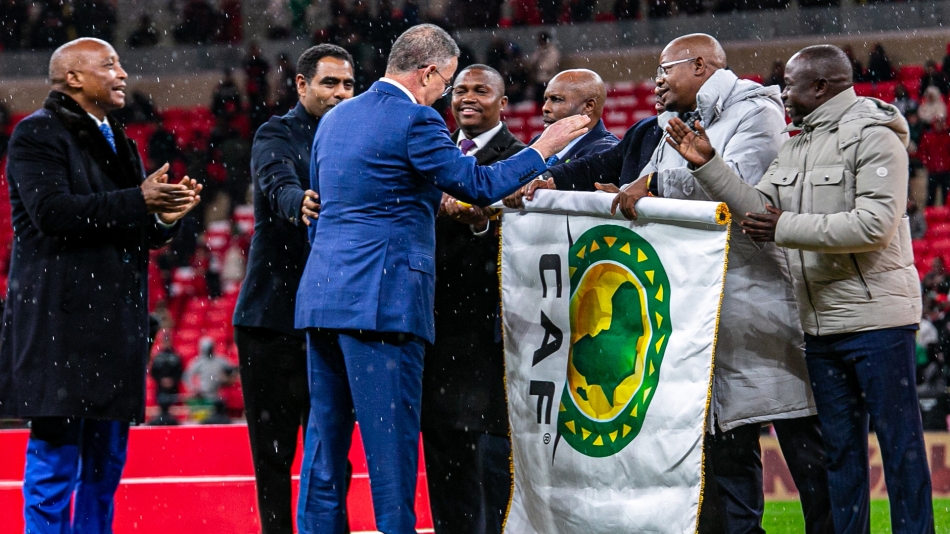
The latest governance wrangles inside the Football Kenya Federation (FKF) have inevitably raised questions in Uganda about whether the region’s preparations for the 2027 Africa Cup of Nations could be affected.
Uganda, Kenya and Tanzania are jointly hosting the tournament, making the success of one partner important to the credibility of all three countries.
The concerns intensified after FKF Vice President McDonald Mariga and members of the federation’s National Executive Committee accused senior officials of financial mismanagement, procurement irregularities and institutional breakdown.
The allegations include claims of weakened oversight systems, irregular payments and governance interference inside Kenyan football.
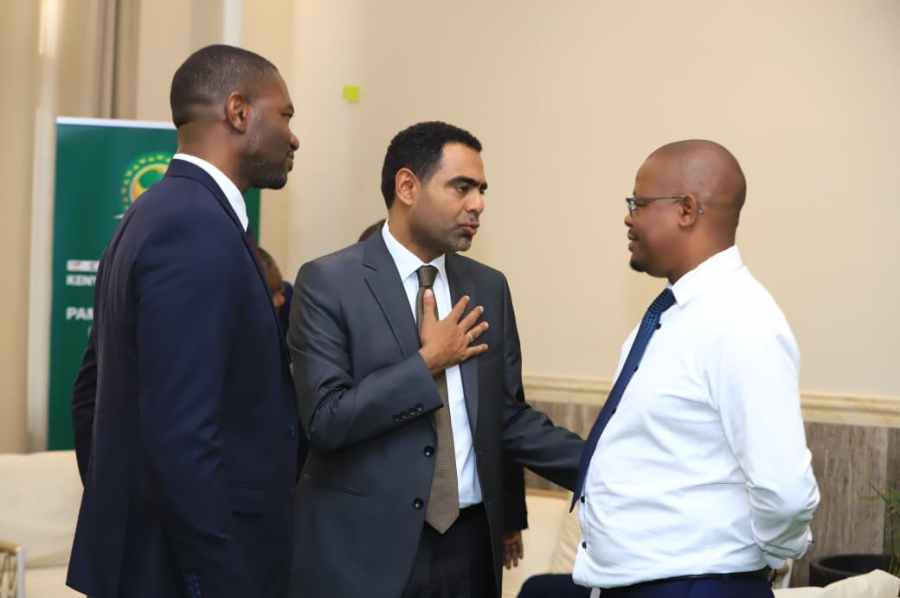
At first glance, this may appear like a domestic football dispute inside Kenya. But because Kenya is one of the three AFCON 2027 hosts, any prolonged instability inside FKF naturally creates regional concern.
CAF and FIFA place heavy emphasis on governance, financial transparency and institutional stability when overseeing major tournaments. A federation engulfed in internal battles can complicate decision-making, delay coordination and damage confidence among sponsors, contractors and international football bodies.
One possible concern for Uganda is the risk of delayed joint planning. AFCON hosting is not simply about stadium construction. It involves coordinated logistics across borders including security arrangements, transport systems, accommodation planning, broadcasting infrastructure, ticketing systems and movement of teams and fans.
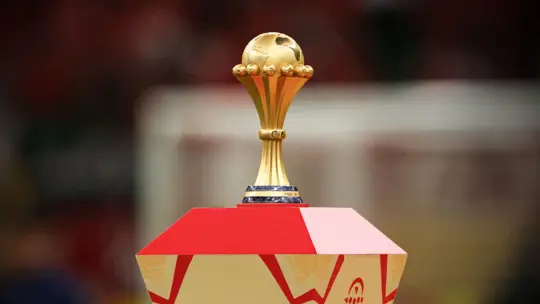
If FKF becomes consumed by investigations, suspensions or leadership battles, regional coordination mechanisms could slow down.
Another possible issue is reputational damage to the East African bid as a whole. CAF awarded hosting rights to Uganda, Kenya and Tanzania partly because the three countries presented themselves as a united regional bloc capable of delivering a stable tournament.
Serious governance disputes in one federation can create perceptions of instability even if the other countries remain on track.

There is also the theoretical risk of external intervention. If governance problems escalate severely, FIFA sometimes steps in through normalisation committees or administrative oversight mechanisms. Such interventions can freeze decision-making processes temporarily and disrupt football administration.
In an extreme scenario, prolonged instability could affect Kenya’s operational readiness for AFCON-related responsibilities.
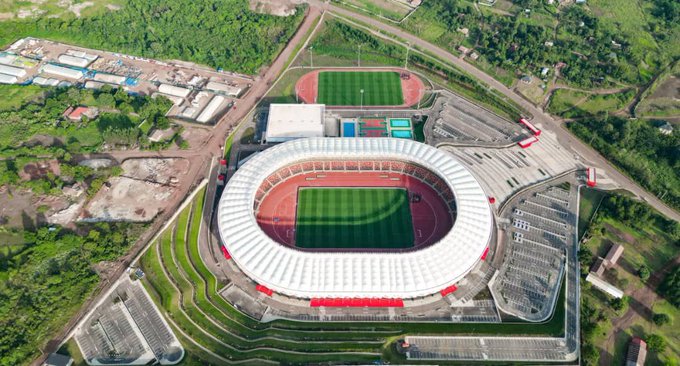
Infrastructure timelines could also become part of the conversation. Kenya already faces pressure to upgrade several stadiums and training facilities before both CHAN and AFCON. If football governance structures become distracted by internal battles, oversight of tournament-related planning could weaken further.
That matters to Uganda because co-hosting requires all three countries to progress together at relatively similar speeds.
However, there are also strong reasons Uganda should avoid panic.
First, the current crisis remains an internal federation dispute rather than a direct government collapse of Kenya’s AFCON programme. Major infrastructure projects tied to AFCON are being driven largely by the Kenyan government, not FKF alone.
Stadium renovations, transport investments and security planning are state-backed projects with national political importance. That means preparations are unlikely to stop simply because of federation wrangles.
Second, CAF has experience handling football governance crises. African football has repeatedly seen federations endure leadership disputes, investigations and suspensions while major tournaments still proceed.
In many cases, continental and international football bodies pressure stakeholders into temporary stability once tournament deadlines approach.
Third, the tournament structure itself reduces the likelihood of total collapse. AFCON 2027 is not being hosted by Kenya alone. Uganda and Tanzania provide a buffer because responsibilities are distributed across three countries.
Even if Kenya encounters delays in one area, the broader regional hosting model gives CAF flexibility to adjust operational allocations if necessary.
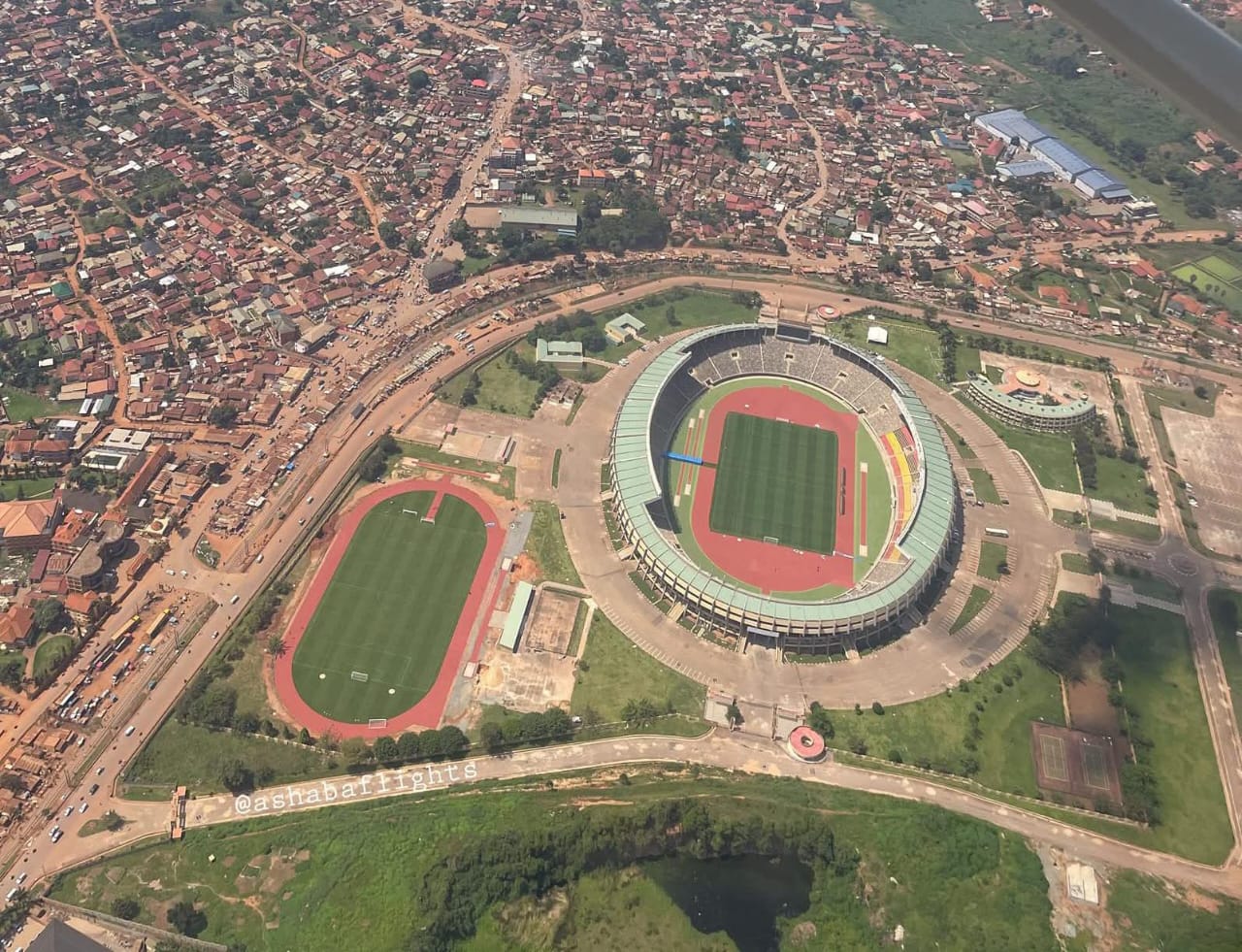
Uganda’s own preparations also appear increasingly independent of Kenyan politics. The renovation of Mandela National Stadium, development works at the different training facilities and wider infrastructure planning are being handled domestically.
Uganda’s ability to meet its obligations will ultimately depend more on its own execution than on internal disputes within FKF.
There is also an important political reality. AFCON 2027 carries enormous symbolic value for East Africa. Kenya, Uganda and Tanzania all view the tournament as a prestige project tied to regional influence, tourism and economic opportunity.

That political pressure makes it unlikely that any of the three governments would allow football administration disputes to completely derail preparations.
The more realistic risk is not cancellation of AFCON hosting, but operational inefficiency. Governance wrangles can slow communication, complicate coordination and create uncertainty around timelines. Those are manageable problems, but they require close monitoring from CAF and the co-hosting nations.
The current FKF drama is therefore something Uganda should watch carefully rather than fear immediately. If the disputes escalate into prolonged FIFA sanctions, government interference or major failures in infrastructure delivery, concern levels would rise significantly.
But at the moment, the crisis looks more like a serious governance battle inside Kenyan football than an existential threat to AFCON 2027 itself.
The bottom line is that Uganda should be alert, but not alarmed.
The FKF crisis creates legitimate questions about coordination and governance credibility, yet the wider AFCON project still has strong political backing, CAF oversight and regional safeguards.
Unless the Kenyan situation deteriorates dramatically over a long period, AFCON 2027 preparations across East Africa are still likely to move forward.