






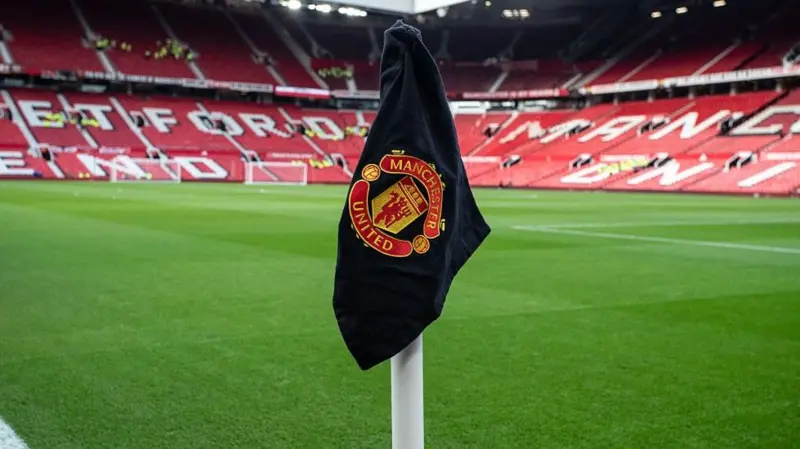
Manchester United has swung back into the black, posting an operating profit of £32.6m for the final half of 2025—a sharp recovery from the previous year’s £3.9m loss.
However, the financial recovery comes as the club’s total debt hits a staggering £1.29bn, driven by legacy Glazer-era loans and over £500m in outstanding transfer fees.
Under Sir Jim Ratcliffe’s 29% ownership, the club has cut 450 jobs and axed staff perks to redirect funds into football data and performance.
Salary costs fell 9% to £75.1m, aided by loaning out high earners like Marcus Rashford and Rasmus Hojlund.
Despite fewer home games and no European football, matchday revenue remained steady due to controversial hikes in ticket prices and “premium experience” packages.
While CEO Omar Berrada hailed the “off-pitch transformation,” experts warn of looming costs. The club still faces a multi-million pound payout for sacking coach Ruben Amorim, and a potential £2bn bill for a new stadium remains unfinanced.
Ultimately, United’s stability hinges on Champions League qualification.
While a return to the elite competition would trigger a massive cash injection, it would also activate contractual wage spikes for the playing squad, leaving the club in a delicate financial balancing act.