






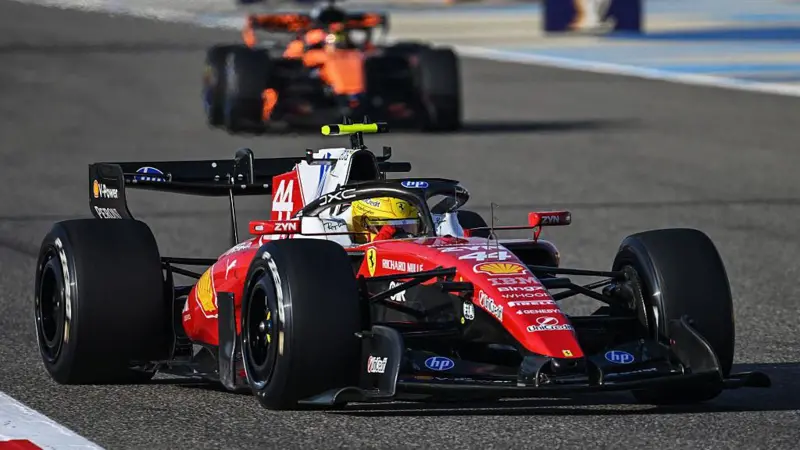
Formula 1 enters a radical new era this week at the Australian Grand Prix (6-8 March), introducing some of the most significant regulation changes in the sport’s history.
Cars are now smaller, lighter, and powered by a 50-50 split between electric and internal combustion energy using 100% sustainable fuels.
DRS is gone, replaced by “active aero” wings that adjust for drag and downforce. Drivers now trigger a manual burst of electric power when within one second of a rival.
Max Verstappen likened the high energy-management demands to “Formula E on steroids,” while Lewis Hamilton called the rules “ridiculously complex” but “more fun” to drive.
Cadillac joins the grid as the 11th team with veteran duo Sergio Perez and Valtteri Bottas.
Also, having acquired Sauber, Audi arrives with an in-house engine and drivers Nico Hulkenberg and Gabriel Bortoleto.
18-year-old Briton Arvid Lindblad (Racing Bulls) is the season’s sole rookie and the fourth-youngest driver in history.
Spain now hosts two races (Barcelona and a new Madrid street circuit), while Silverstone returns to the Sprint format for the first time since 2021.
This season also marks the “swansong” for the Dutch Grand Prix, which departs the calendar after this year.