





By Gibby Samuel Kalule
Football is far more than a game in Uganda. It is one of the country’s most powerful social and economic forces, bringing together people from every region, tribe and background. Every weekend, football fills stadiums, creates jobs, inspires young people and strengthens national identity.
When the Uganda Cranes play, the nation pays attention.
That is why football governance matters.
For football to reach its full potential, Uganda needs strong institutions, transparent leadership and systems that protect players, referees, journalists and supporters. The game cannot thrive on passion alone. It requires accountability, professionalism and a commitment to serving the interests of football rather than individuals.
At the centre of this discussion is the Federation of Uganda Football Associations (FUFA), the body entrusted with managing the country’s most popular sport. The federation’s decisions affect youth development, infrastructure, sponsorships, broadcasting revenues and Uganda’s reputation on the continental and global stage.
The stakes are enormous.
Most Ugandan football talent emerges from communities, schools, academies and local clubs. National assets such as Mandela National Stadium, Namboole, and Nakivubo Stadium play a critical role in the development of the game. Millions of shillings flow through football every year through sponsorships, grants and commercial partnerships. Every decision made by football administrators has consequences for players, supporters and the future of the sport.
Because of that reality, the standards for leadership must be exceptionally high.
Over the years, concerns have repeatedly emerged regarding player welfare, referee development, stakeholder engagement and institutional accountability. Several current and former players have publicly raised concerns about welfare issues and unpaid dues. Referees have also voiced frustrations about working conditions and professional support. Sports journalists, whose role is to inform the public and hold institutions accountable, have often found themselves at the centre of tensions whenever football governance becomes a subject of scrutiny.
Whether one agrees with every criticism or not, the pattern should concern anyone who cares about the game.
Healthy football systems encourage scrutiny because transparency strengthens institutions. Strong organisations do not fear questions. They answer them.
Uganda’s football journey over the past decade has also demonstrated the importance of robust oversight mechanisms. The FIFA Ethics Committee sanctions related to the 2015 World Cup ticket controversy served as a reminder that football governance carries responsibilities that extend beyond the pitch. Football leaders are custodians of public trust, and their actions affect the dreams of millions of supporters.
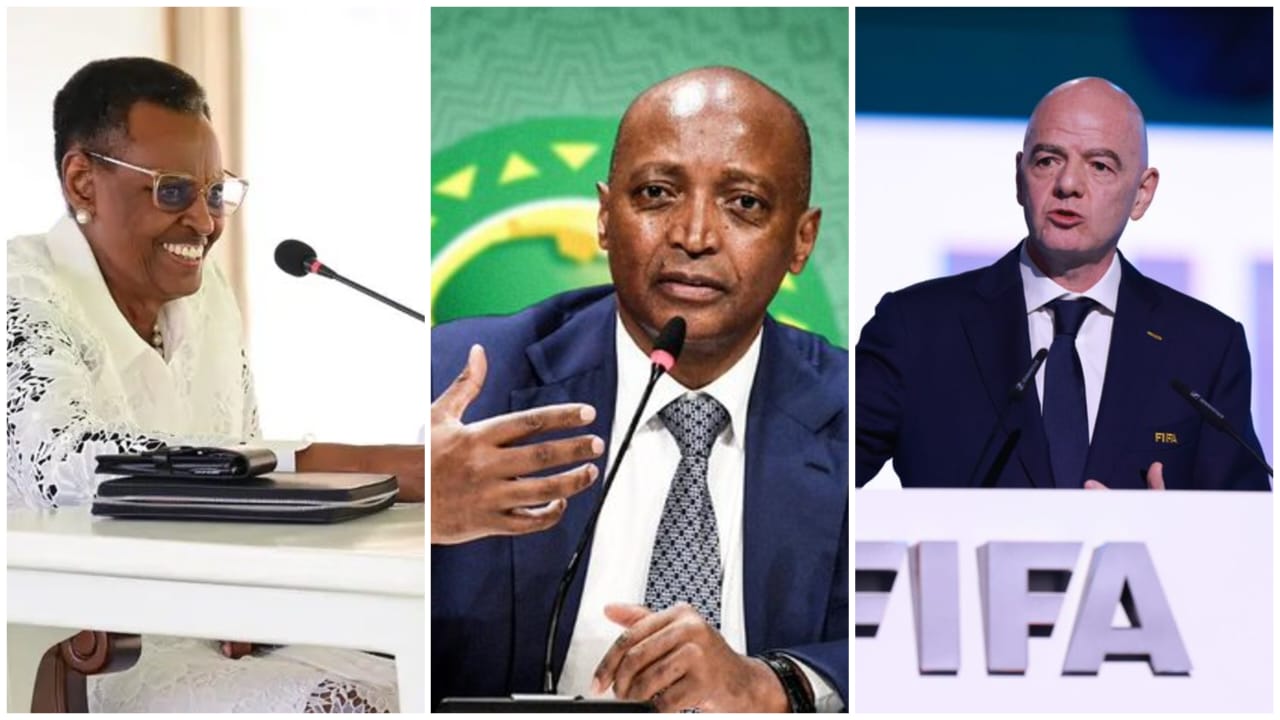
This is why the recent intervention by Education and Sports Minister Janet Museveni regarding concerns over public funding allocations to football deserves attention. Regardless of political affiliation, many Ugandans viewed the move as an example of government oversight functioning as it should. Public resources must be subject to scrutiny, and sports administration cannot exist outside national accountability frameworks.
The lesson is simple: football governance works best when there are checks and balances.
As Uganda looks towards the future, the conversation should not revolve around personalities. It should focus on systems.
Those aspiring to lead football should be judged on their record of service to the game. They should explain how they intend to strengthen player welfare, improve referee development, expand football infrastructure and protect the independence of the media. They should outline how football revenues will be managed and how stakeholders will participate in decision-making.
Most importantly, they should demonstrate an understanding that football belongs to the people who play it, support it and sacrifice for it.
CAF President Patrice Motsepe and FIFA President Gianni Infantino have consistently championed good governance and football development across the continent. Ugandan football stakeholders have every right to expect those principles to be applied consistently whenever governance concerns arise within member associations.
Uganda does not need another strongman. It does not need another personality cult.
It needs a system.
A system where leadership is earned through service. A system where former players help shape policy. A system where referees are respected professionals. A system where journalists can report freely. A system where every shilling invested in football can be accounted for.
The dreams of millions of Ugandan children kicking a ball on dusty pitches today depend on the decisions made by football leaders tomorrow.
Justice in football is not simply about sport. It is about opportunity, development, jobs and national pride.
The writer is a former Uganda Cranes International and Director, GK Sport Academy. He is also a former player for SC Villa, Police, KCC, Miracle Centre and Jomo Cosmos FC.