





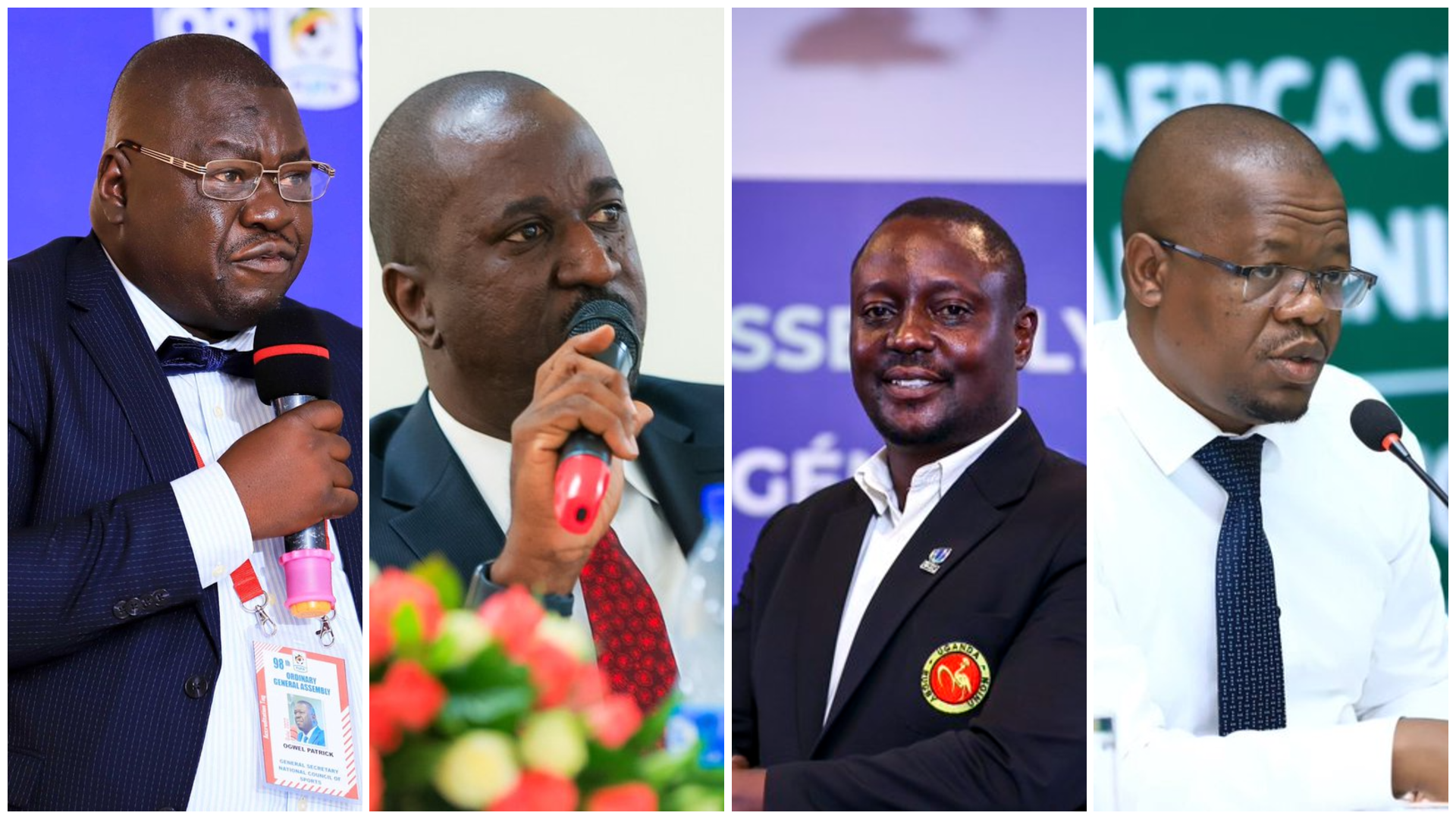
The National Sports Regulations 2025, sometimes referred to as Statutory Instrument Number 24 of 2025, include Section 6 (d) (v), which stipulates that one of the functions of the General Assembly of any National Sports Association or Federation in Uganda is to elect the Executive Committee of that federation. It is not expressly clear whether this refers to electing all members, but this has been the position adopted by the National Council of Sports.
The framers of this section likely aimed to promote greater democracy, independence and efficiency among individuals serving on these executive committees. In fairness, some appointing authorities have in the past placed questionable or incompetent individuals in key administrative positions within national federations. By giving the General Assembly the power to elect all Executive Committee members, such occurrences can be reduced, particularly where appointing authorities may have questionable intentions.
However, the leadership dynamics in Uganda today also show that without sufficient appointment and dismissal powers, a leader of any institution can easily struggle in their oversight role and the institution may ultimately fail to deliver on its core mandate. In our national federations, there have been frequent clashes between Executive Committee members, with most disagreements arising from a lack of clarity on who holds authority over others within the committee.
When all members of such committees are elected by the General Assembly, it becomes very difficult for presidents to call others to order. To make matters worse, these are committees made up of volunteers. Executive Committee members in all national federations in Uganda do not earn a monthly salary for their work. At best, in some federations with sufficient funding, they receive sitting allowances.
It is almost impossible to consistently give directives to volunteers that must always be followed, yet this is ideally part of the president’s role. A second major challenge in federation constitutions is that they often present the president and the general secretary as having similar levels of authority, making it difficult to determine who can decisively call the other to order. This explains why many conflicts in national federations arise from tensions between these two offices.
Without appointing and dismissing authority for the president as the overall head of the federation, respect and stability within the leadership structure depend largely on the personalities, education levels and interests of elected individuals. This is not a situation any federation should be left to navigate as a result of constitutional gaps.
Imagine the President of Uganda, or any other country, having to work with a cabinet of ministers that he or she cannot dismiss or firmly discipline. That would be a clear recipe for national instability. This is why, across the world, the president is elected and then appoints ministers to serve in cabinet. These ministers understand that they can be dismissed if they become grossly insubordinate or disruptive.
This arrangement helps reduce turmoil within cabinets in most countries. The same principle should apply to national sports federations. Stable organisations require a clearly defined leader with sufficient authority to maintain discipline within the leadership team. In federations where voluntarism remains the norm, presidents should have appointing and dismissing powers over at least some Executive Committee members.
In the absence of this, I recommend that the National Council of Sports, working with government and the Uganda Olympic Committee, develop clear guidelines defining how federation presidents should exercise authority in a way that no Executive Committee member can undermine. This is the best way to ensure stability within national federations. These bodies must avoid constitutional gaps that could lead to internal turmoil.
Whenever major internal disagreements arise, there must be a mechanism for decisive resolution. If disputes persist, they can be escalated to the electorate, which is the General Assembly, for final determination, without disrupting the smooth running of the Executive Committee. The downside of unresolved leadership conflicts is that players and coaches often suffer the most, as their sport descends into dysfunction and stagnation.
We must not have presidents without appointing and dismissing authority because, in such circumstances, they are nearly powerless. They cannot decisively resolve internal disputes, as all committee members know that the president has limited control over them, having been elected by the same General Assembly that can also discipline them.
The Writer is a Bush Lawyer, Former President of the Uganda Table Tennis Association (UTTA), Secretary General of the Union of Uganda Sports Federations and Associations (UUSFA) and Board Member of the Uganda Olympic Committee (UOC).