







Two of the most profitable International Federations in the world today are the International Cricket Council (ICC) and the Federation of International Football Associations (FIFA).
From the 2022 World Cup, FIFA earned 7.6 billion US dollars, the equivalent of about UGX 27 trillion.
The ICC’s annual revenue for 2025 is estimated at about 3.8 billion US dollars, translating to approximately UGX 14 trillion.
About 60 percent of the income earned by these federations comes from broadcast rights, while 30 percent comes from marketing rights. The remaining 10 percent is derived from ticket sales, merchandising, membership fees, and other sources.
Broadcast rights involve granting permission to pay television channels to show games around the world.
In simple terms, pay TV companies purchase game footage and resell it to viewers globally.
Marketing rights involve sponsorship partners paying money to federations so they can advertise their brands, display logos, or sell products during games.
For example, with over five billion people watching World Cup matches on television and social media, companies such as Coca-Cola paid significant sums to have their logos and products displayed during the games. Coca-Cola is also a top sponsor of the ICC.
One striking aspect of sponsorship is that partners are primarily interested in having their brands and products shown on television rather than only at the playing venues.
This makes sense because while only about 100,000 people can watch a game inside a stadium, billions more watch on television. No stadium in the world can hold even 300,000 people watching the same game at the same time.
In Uganda, radio stations obtain live audio commentary by watching games on television. This clearly shows how central television is to revenue from both broadcast and marketing rights.
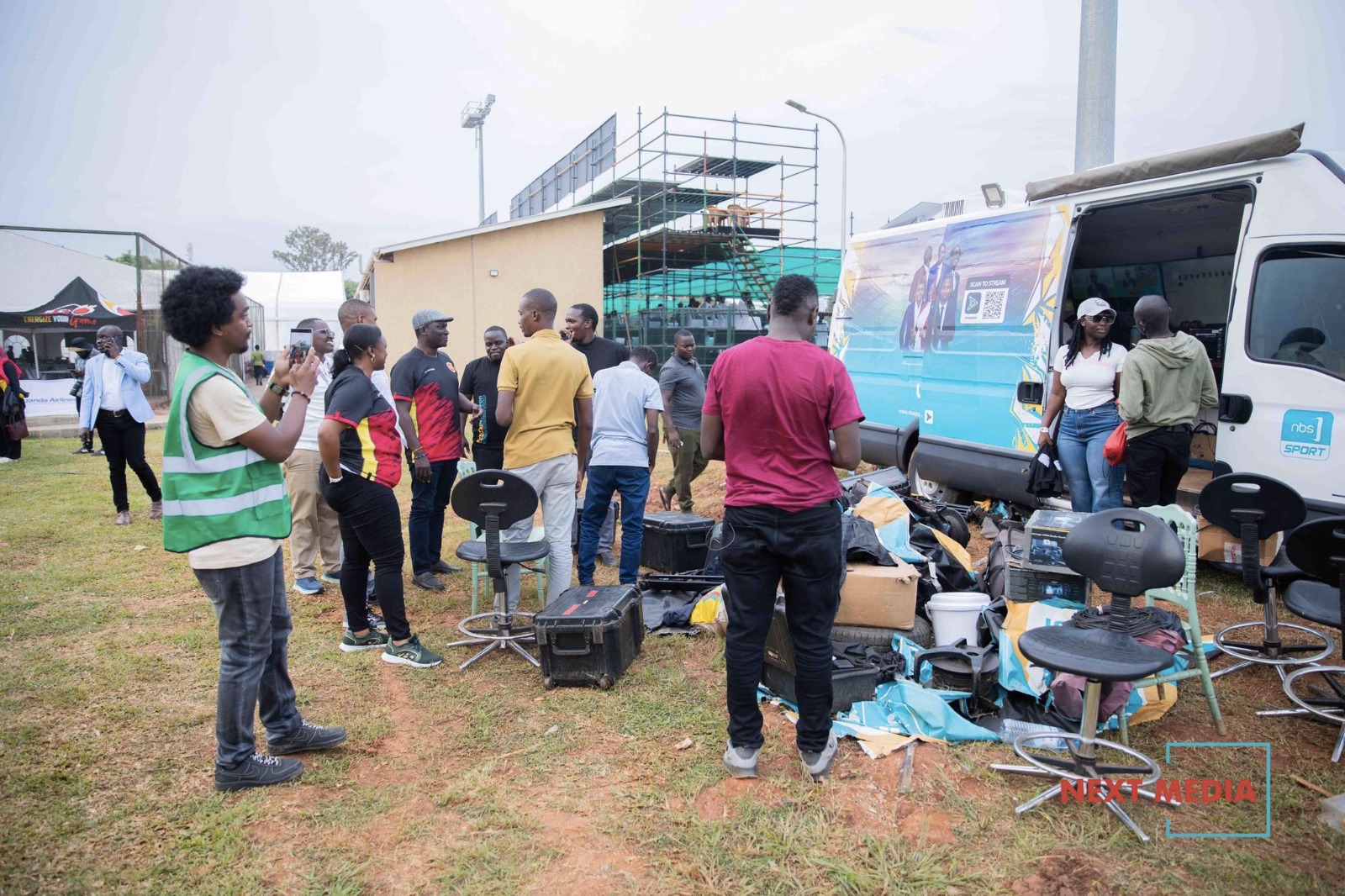
In Uganda today, many major games are organised without taking television broadcasting or videography seriously. In most cases, it is not even considered and therefore not done. When you look at the budgets for such games, video coverage is usually absent, meaning organisers do not view it as a core component of the event’s success.
If we all agree that sports are a form of entertainment, then a critical question arises. How exactly are Ugandans supposed to be entertained when they cannot watch the country’s major games?
We must also ask whether it is acceptable to use taxpayers’ money to organise or attend major sporting events, yet neglect or refuse to show those same taxpayers the games. I have previously stated that this borders on illegality, because the people who fund our sports have every right to watch them.
The games in question include those organised by National Sports Federations, the Uganda Secondary School Sports Association, the Association of Uganda University Sports, the Uganda Primary School Sports Association, and others. I have consistently reminded these bodies to make videography a primary and permanent part of their planning and budgeting.
Even where some effort is made to broadcast games, it is usually clear that planning and budgeting were inadequate. This is evident in poor picture quality, footage that skips or freezes due to unreliable internet connections, poor lighting at venues, incorrect camera placement, lack of live commentary, and the absence of slow motion replays.
Failure to take videography seriously also explains the lack of major sponsors for many of these events. Without video coverage, it is difficult to offer sponsorship partners meaningful value for their money. Videography is essential because it delivers games to the wide audiences that sponsors are always seeking.
One might excuse organisers for failing to hire television companies to broadcast games, as this can be expensive. However, there is no excuse for failing to show games on free to air platforms such as YouTube. This only requires a good video camera and a few basic tools to stream footage online. Neglecting videography also explains why sports in Uganda receive limited public attention, which ultimately leads to poor government funding for many federations and sports bodies.
Those who continue to take videography lightly should not be leaders in Uganda’s sports sector. They lack an understanding of how to develop, promote, and commercialise sports in the modern 21st century. Today, almost every adult owns a smartphone and can easily watch games, even if they cannot travel to venues.
Even if they did, no facility can accommodate the millions who want to watch a game in person. Any sports leader who fails to invest time and resources in videography only entrenches poverty in the Ugandan sports sector.
The writer is a bush lawyer, former president of the Uganda Table Tennis Association, Secretary General of the Union of Uganda Sports Federations and Associations, and a board member of the Uganda Olympic Committee.