






The conversation in East Africa has long centred on pipes.
Heated pipes. Steel pipes. Pipes meant to run from the Albertine Graben all the way to Tanga, carrying the promise of a different kind of future. We wait for the “Final Investment Decision” as if it were a religious epiphany.
But while bureaucrats argue over environmental impact assessments and project financing, I’ve been watching a different kind of infrastructure. One that doesn’t need a sovereign guarantee or a Chinese loan.
One built of grass, sweat, and a size 5 ball.
The Crucible of the Quarterfinals
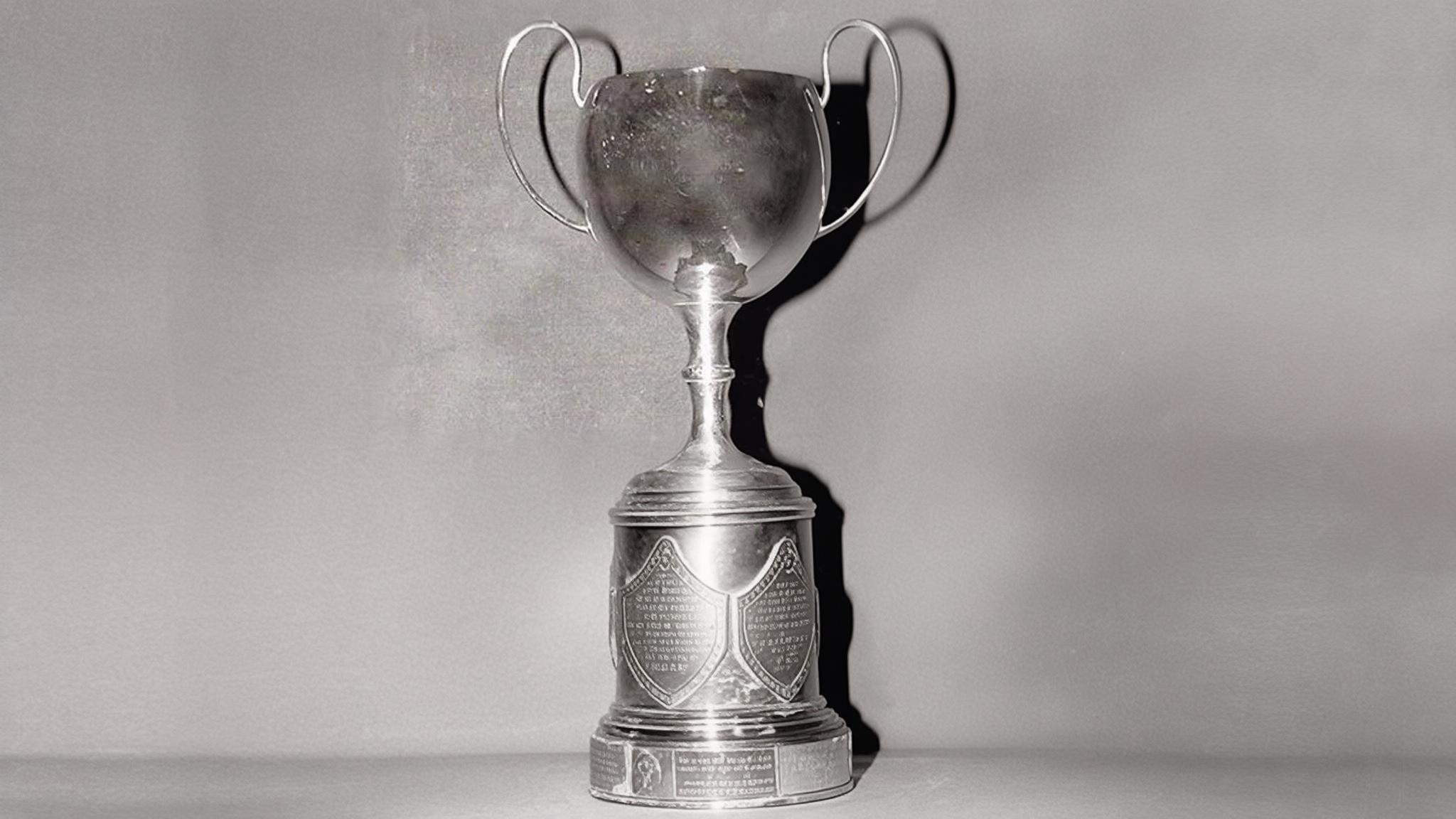
The Enterprise Cup has always been a mythic beast in East African rugby. It’s old—1928 old—and it carries a weight that makes modern “franchise” tournaments look like school sports days.
This year, though, felt different. It felt like a refinery.
When Uganda returned to the fold after two decades, the quarterfinals became more than fixtures; they became a standard. Our clubs—the Platinum Credit Heathens, KCB Kobs, Stanbic Black Pirates, and Toyota Buffaloes—walked into the lion’s den of Kenyan rugby. And, for the most part, the lions did what lions do.
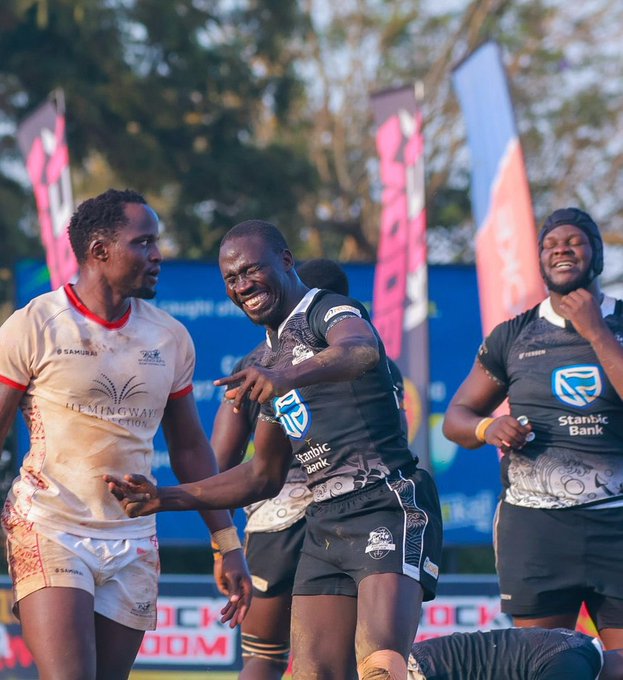
The Kenyan sides turned the quarterfinal stage into less of a match and more of a stress test.
By the time the dust settled, only one Ugandan flag—a black Jolly Roger—was still flying.
To the casual observer, that looks like defeat. To me, it looks like an upgrade. You don’t improve by beating the same neighbours every weekend in Lugogo. You improve by being humbled at Muteesa II Stadium in Wankulukuku, recalibrating, and fine-tuning for the next bout.
That “stiff challenge” is the heat required to turn raw talent into something elite. Our clubs now have something higher to aspire to than domestic dominance. They’ve seen the ceiling, and they know they must raise the roof.
The Pamoja Blueprint
There is a logic emerging here that I’ve long wished would seep into our football.
The reward system for the domestic rugby cup has finally found its rhythm. A semifinal berth in the Uganda Cup now guarantees a seat at this high-stakes table. It’s brilliant in its simplicity: every domestic match carries an international shadow.
This Weekend, the 96 year old Enterprise Cup tournament scaled the borders and returned to Ugandan Soil…. and we put voice to it.
🎥 @NBSportUg pic.twitter.com/4zCQ74HVo8— Jermaine Egesa (@jermaine_egesa) March 22, 2026
Imagine if East African football—in the true spirit of Pamoja—borrowed this leaf. Imagine if a domestic cup run in Tanzania or Uganda didn’t end with a trophy and a handshake, but with a direct ticket into a cross-border gauntlet that truly tested your mettle. Better yet, imagine it in the league.
The fans have already voted with their feet. The crowds at these top-tier, nail-biting matches across both nations—quarterfinals and semis alike—haven’t come for branding. They’ve come for intensity. They want to see Kampala’s best clash with Nairobi’s best. They want high-octane rugby, and the price of admission is hardly part of the conversation.
The View from Ngong Road
As the final shifts to Kenya—rumours pointing to Ngong Road, the spiritual home of the regional game—the atmosphere is electric. There’s admiration, a sense that we are watching something being built in real time.
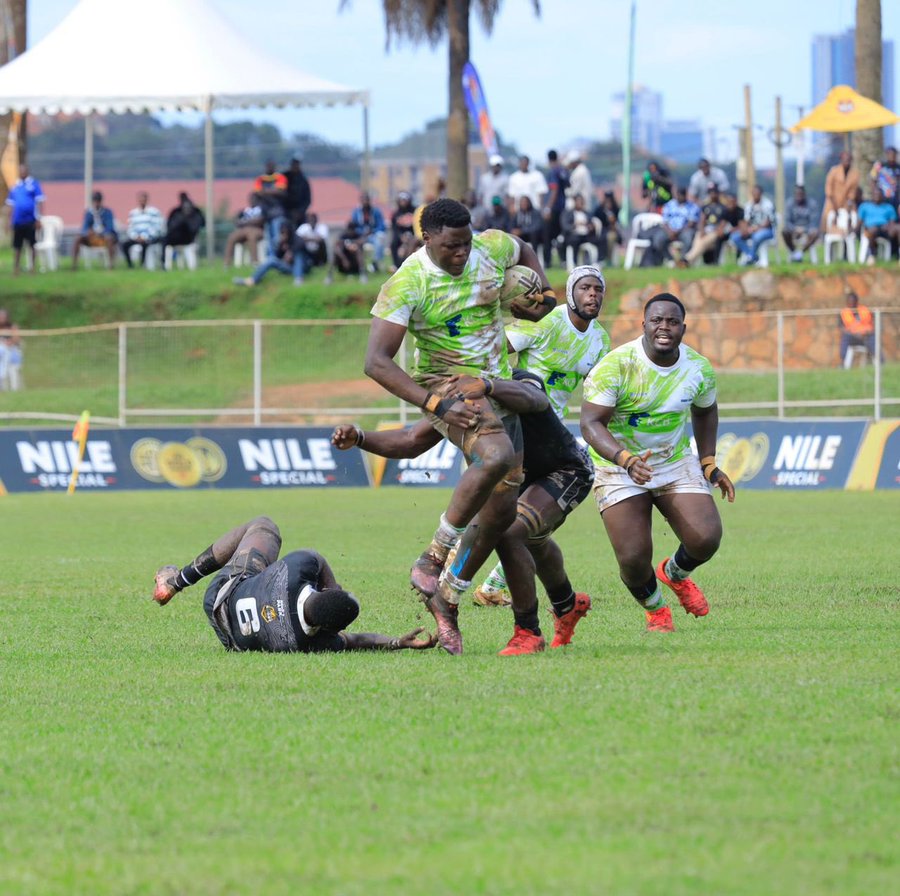
The finest Kenya has to offer, Kabras Sugar RFC, will square off against tournament rookies but reigning Ugandan double champions, the Stanbic Black Pirates, intent on writing their chapter in history. Crème de la crème.
We obsess over the East African Crude Oil Pipeline. We talk about it at every summit. We wait for the oil to flow.
But perhaps we’re seeking the “refinery” in the wrong sector.
Maybe the refinery isn’t a collection of steel tanks and industrial valves. Maybe it’s already here, operating every time the whistle blows on a Saturday afternoon.
Rugby has achieved what politicians are still trying to sketch on a PowerPoint slide: a functional, high-output, cross-border machine that takes raw regional talent and refines it into something world-class.
So, bring on the final. Let the big hits rock. Let the rugby remain “unpolished” in its intensity but precise in its execution.
The pipeline is still a dream.
But the refinery?
The refinery is open for business.